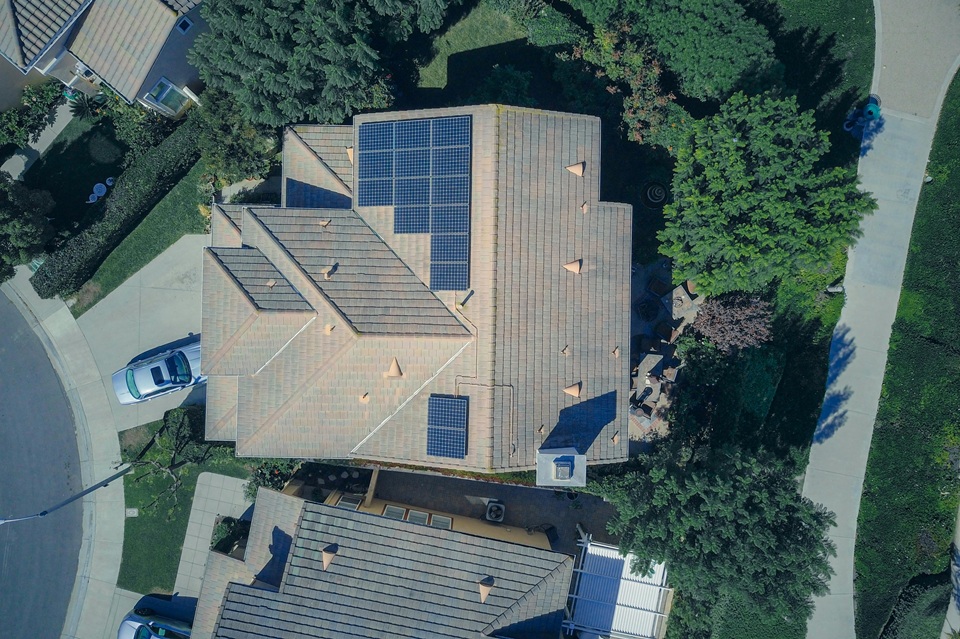
- Solar technology is advancing rapidly, increasing efficiency and lowering installation barriers.
- Integration with smart home technology empowers users to manage energy more intelligently.
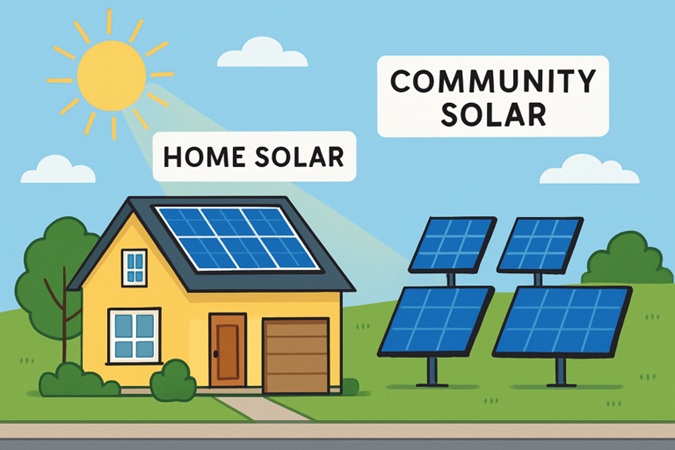
- Community solar projects extend the benefits of solar energy to renters and those without suitable rooftops.
- New battery storage solutions are making solar energy more versatile and reliable for home use.
Solar panels are rapidly transforming the residential energy landscape by offering homeowners reliable, sustainable, and increasingly affordable electricity solutions. As climate change and rising energy costs become more pressing concerns, more families are turning to solar for both environmental and financial benefits. Whether you are looking to decrease your carbon footprint or increase your long-term savings, new developments in solar power can make a substantial difference. If you are considering making the transition, partnering with a reputable solar installation company Corona, CA can help you navigate the process and achieve optimal results for your home.
The momentum behind home solar installations has never been stronger, driven by technological innovations and supportive policy frameworks. Thanks to breakthroughs like improved solar panel efficiency, smart home integration, and advanced battery storage, homeowners now have more tools than ever to optimize energy use. In addition to individual solar setups, community solar projects and large-scale installations are making clean energy accessible even to those who cannot install systems themselves.
Advancements In Solar Panel Efficiency
Modern solar panels are significantly more powerful than those of previous generations. Engineers are now using advanced materials like perovskite in solar cells, which are not only more efficient at converting sunlight but also able to harvest indoor light. This advancement means that future household devices could be powered by ambient light, reducing or eliminating reliance on traditional batteries. For example, perovskite-based cells have demonstrated an ability to convert nearly 37.6 percent of indoor light into usable electricity. These high-efficiency panels make solar a viable choice in more climates and settings, expanding access to renewable power for households worldwide.
Integration With Smart Home Systems
The next frontier for solar panels is seamless integration with smart home technologies. Homeowners can now use artificial intelligence and IoT devices to monitor and control energy consumption in real time. Smart systems analyze energy use patterns, weather forecasts, and utility rates to predict the best times to use, store, or even sell energy back to the grid. This allows families to participate in their energy management actively, optimizing the benefits of their solar systems while minimizing energy waste and costs. Read about AI-powered energy management in the home.
Community Solar Projects
Not every homeowner has a roof suitable for solar panels, but community solar projects are bridging this gap. By subscribing to a local solar farm or collective project, consumers can support renewable energy and receive credits on their electricity bills, even if they cannot install a system on their own property. These initiatives are essential for renters, people with shaded rooftops, and those in high-density housing. Community solar is a rapidly growing component of America’s clean energy transition, helping more people participate in the renewable energy future.
Advancements In Battery Storage
Battery technology has dramatically increased the effectiveness of solar power, enabling stored energy to be used after sunset or during outages. Modern lithium-ion and solid-state batteries are safer, last longer, and provide greater storage capacity. With these new technologies, homeowners maximize their solar investment, reduce reliance on the grid, and ensure backup power is available when needed most. The addition of robust battery storage makes solar a complete home energy solution, supporting families’ independence and resilience.
Solar Canopies & Innovative Installations
Solar technology is also finding new applications outside traditional rooftop installations. Solar canopies, for example, offer dual-purpose benefits by providing shaded parking or outdoor space while generating power. Universities, businesses, and municipal agencies are investing in these solutions, installing solar canopies in parking lots and public spaces. Rutgers University’s project, featuring 14.5 megawatts of solar canopies producing 18 gigawatt-hours annually, demonstrates the scale and impact of innovative solar deployments.
Policy & Incentives
Government action continues to shape the direction and speed of solar adoption. Financial incentives, rebates, and tax credits encourage more households to invest in solar. In 2023, France required large parking lots to allocate half their space to solar canopies, creating potential for an estimated 6.75 to 11.25 gigawatts of new installed capacity. Similar policies in the United States and globally help eliminate barriers and speed the shift to clean energy. Robust, forward-thinking policies are crucial to sustaining the momentum of residential solar.
Conclusion
The rapid evolution of solar technology and installation practices is shaping the future of home energy. Homeowners now have access to efficient panels, smart management systems, backup batteries, and more, making solar power a viable and attractive option for every household. As policies and technological advancements continue to converge, solar energy promises to offer greater independence, sustainability, and cost savings for generations to come.