
Key Takeaways:
- Wearable technology provides real-time data on player performance, helping prevent injuries and enhance skills.
- Advanced analytics offer deeper insights into game strategies and player efficiencies.
- Virtual and augmented reality tools create immersive training environments for players.
- Smart equipment, like sensor-embedded basketballs, delivers instant feedback on shooting mechanics.
- Video analysis software enables detailed breakdowns of player movements and game plays.
- Communication platforms streamline team coordination and strategy implementation.
The world of basketball is in the midst of a digital revolution. Coaches, players, and teams are increasingly turning to advanced tech solutions for an edge on the hardwood. From data-rich wearables and in-depth analytics to immersive virtual reality training, these innovations are redefining traditional approaches. As a result, athletes can optimize both their physical skills and strategic awareness like never before. For those looking to maximize potential, basketball strength training programs now incorporate technology to deliver personalized insights and performance improvements.
This transformation is not limited to elite athletes. Grassroots and amateur players now have access to the same tools, enabling everyone to adopt professional training standards. Whether through tracking shooting forms with smart balls or connecting through sophisticated communication platforms, every aspect of training stands to benefit. As technology continues to advance, the fundamentals of how basketball is played and coached are adapting to these exciting possibilities.
Wearable Technology Enhancing Player Performance
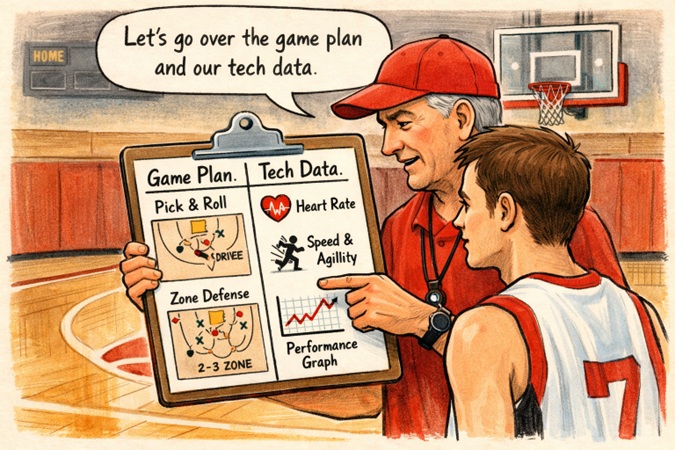
Wearable technology has rapidly emerged as a game-changer for basketball players at every level. Devices such as GPS trackers, heart rate monitors, and motion sensors collect a wealth of data during practice and competition. Coaches use this information to assess an athlete’s stamina, analyze their movements, and fine-tune training regimens for maximum effectiveness.
One of the biggest benefits has been injury prevention. By tracking workload and recovery times, coaching staff can spot signs of overtraining and make adjustments to reduce the likelihood of injuries. This personalized approach extends athletes’ playing careers and maximizes their impact on the court. Professional basketball teams are increasingly relying on these tools to gain an edge and keep their players healthy.
Advanced Analytics In Strategic Planning
The adoption of advanced analytics has transformed basketball strategy. Teams now evaluate data points, including shot selection, player efficiency ratings, and defensive outcomes, to make smarter in-game choices. With access to vast quantities of performance data, coaching staff can tailor their game plans for each opponent and maximize their team’s strengths.
This shift has also changed the way players are evaluated. Coaches and scouts use analytics to identify undervalued talent, make objective decisions about player roles, and foster a culture of accountability. Data-driven coaching ensures that every decision is backed by concrete insight, making basketball more strategic and competitive.
Virtual & Augmented Reality In Training
Virtual reality (VR) and augmented reality (AR) technologies are making basketball training more immersive than ever. VR allows athletes to step into simulated game environments and run through scenarios they may face during live play. This builds mental sharpness and game awareness all without physical risk or fatigue.
AR can project real-time data overlays during drills or games, helping players understand spacing, angles, and timing in real time. These training methods offer invaluable opportunities for repetition and learning. As reported by New Arena, several NBA teams employ VR tools during practice to give players a mental edge and simulate clutch-game pressure.
Smart Equipment For Skill Development
The next era of basketball gear includes sensor-embedded basketballs and connected hoops, which are vital for solo and team training. These devices record shooting arc, release speed, spin rate, and accuracy. With immediate feedback, players can tweak their mechanics between every rep, making every practice more effective and efficient.
This smart equipment bridges the gap between professional coaching and individual training. By quantifying nuanced aspects of shooting and ball handling, it provides insights previously reserved for live coaching sessions. This makes high-level skill development available to everyone, regardless of access to a full coaching staff.
Video Analysis For Performance Improvement
High-resolution cameras and video analysis software have become standard in modern gyms and arenas. These tools allow coaches and athletes to review every detail of movement, from footwork and defensive positioning to offensive execution. By breaking down each play frame by frame, teams can identify flaws and implement corrections quickly.
The impact on player development has been profound. Athletes internalize coaching feedback more quickly when they can visually see their actions. Over time, this approach creates smarter, more adaptable players who understand not just what needs improvement, but exactly how to improve it.
Communication Tools For Team Coordination
Seamless communication is the glue that binds successful teams together. Modern platforms now allow for fast schedule changes, video sharing, and instant access to game plans. Whether through messaging apps, file-sharing software, or integrated team management platforms, every member stays informed.
This connectivity ensures that everyone has the right tools at their fingertips. When everyone is on the same page, it becomes easier to implement complex strategies and maintain team cohesion throughout the season.
Conclusion
Technology has permanently altered the landscape of basketball training. With wearable devices that monitor health, analytics that drive strategy, immersive simulation tools, and smart equipment that accelerates skill improvement, both teams and individuals have unprecedented resources for growth. As these innovations continue to develop, the gap between traditional training and tech-powered excellence will only widen. Coaches and athletes who embrace this transformation will find themselves poised for success in the evolving world of modern basketball.