
Key Takeaways:
- Clinical research is increasingly being integrated into community settings, making participation more accessible.
- Technological advancements and policy changes are facilitating the inclusion of diverse populations in clinical trials.
- Engaging in clinical research can lead to improved health outcomes and a deeper understanding of various medical conditions.
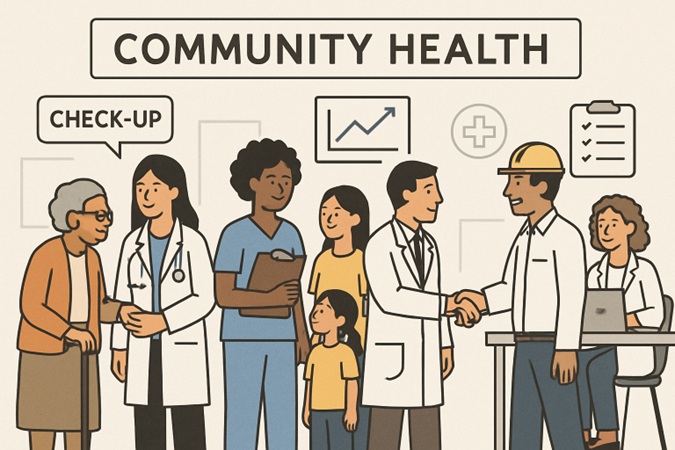
Clinical research is the engine of medical innovation, transforming how modern society diagnoses, treats, and understands diseases. As new approaches emerge to bring clinical trials into community settings, the process is becoming more accessible and relevant to the everyday lives of more people. This movement highlights how Chiesi does clinical research and exemplifies the evolving role of research in communities large and small.
Unlike the past, when participation required travel to distant academic centers, today’s clinical research initiatives meet participants where they are. Everyday integration helps populations often left out of traditional trial settings, such as rural residents or those with demanding family or work commitments, gain a voice in medical advancements while benefiting from access to cutting-edge care and information.
With these advancements, trust in science, medicine, and public health grows. When people see research unfolding in trusted spaces like primary care offices or community health clinics, it demystifies the process and bolsters engagement. These shifts open the door for greater inclusivity and data that better reflect the real world.
As the barriers fall, diverse participation enables breakthroughs that are more relevant and robust for all groups. Grassroots involvement, supported by technology and new policies, frames clinical research as a community affair with benefits far beyond the clinic.
Expanding on this momentum, national organizations and health systems are creatively reshaping research practices to move faster and become more geographically inclusive. Recent efforts, such as the National Institutes of Health’s CARE for Health initiative, mark a major step in this direction, broadening the pathway for historically underserved communities to contribute to and benefit from breakthroughs.
The Importance Of Clinical Research
Clinical research lies at the heart of medical progress, guiding the development of the latest treatments and preventive strategies. Each study builds the evidence needed to tailor interventions to different populations. Inclusive clinical trials ensure that findings accurately reflect real-world needs, improving the safety and effectiveness of newly approved interventions.
The participation of diverse groups not only expands scientific understanding but also mitigates health disparities. From rare genetic diseases to widespread chronic illnesses, inclusive research enriches care for all communities, especially those who have previously been on the margins of medical discovery.
Barriers To Participation In Clinical Trials
Despite their proven potential, clinical trials have faced persistent barriers that limit participation. Rural residents, older adults, people of color, and those balancing multiple jobs or family roles are often underrepresented. Common barriers include:
- Geographical Limitations: Trials based in major medical centers often leave rural and suburban participants out of reach.
- Time Constraints: Repeated travel for appointments, coupled with rigid timelines, discourages busy individuals.
- Lack of Awareness: Many communities lack information about nearby or relevant trials, leading to missed opportunities.
Concerns about mistrust and uncertainty regarding medical research—sometimes rooted in historical abuses—also persist, requiring ongoing education and transparent communication.
Bringing Research To Communities
To broaden access, leading organizations are integrating research into primary care and everyday healthcare settings. For example, the NIH’s CARE for Health initiative is funding networks to unite local clinics with major research institutions. By moving trials out of academic hospitals and into local practices, more patients are exposed to research opportunities during routine visits. This shift promotes equity and cultivates a research culture that values each patient’s contribution.
Pharmacies, urgent care centers, and community health clinics are also taking a larger role, enabling participants to enroll and contribute data conveniently and safely. This grassroots approach paves the way for widespread trial participation and data that accurately represent society’s full spectrum.
Technological Advancements Facilitating Participation
Modern technology is dismantling traditional barriers to participation. Remote monitoring devices, telehealth consultations, and secure digital platforms now allow people to join studies without leaving home, lowering the burden of time and travel. A pioneer in this field, Radicle Science, developed a system for fully remote trials in which participants receive all study materials by mail and report outcomes digitally rather than making in-person visits. These innovations accelerate research and increase participant diversity, making studies more generalizable and impactful for the broader population.
Policy Changes & Initiatives
Regulators and public health organizations recognize the need to update clinical trial practices. The FDA has issued guidance on modernizing clinical trial conduct, emphasizing flexibility, digital data collection, and protection of patient rights. Parallel to this, government initiatives such as CARE for Health invest millions in building links between local primary care and research networks, aiming to close representation gaps and ensure every community has a role in shaping tomorrow’s medicine.
This policy evolution signals a shift toward greater public involvement, safeguarding both scientific progress and the well-being of volunteers.
Real-Life Impact Of Community-Based Clinical Trials
Community-based clinical research has already shown measurable results. A study in JAMA Network Open reported that clinical trials embedded in emergency departments yielded not only improved health outcomes but also fostered collaboration and trust among patients, clinicians, and researchers. Such studies inspire health systems nationwide to expand community engagement and tailor solutions to local needs.
Beyond the individual level, successful integration has fostered a culture of curiosity and continuous learning in healthcare organizations, paving the way for more responsive and agile systems.
How To Get Involved In Clinical Research
Opportunities to join or support clinical research are rapidly expanding. Here are some practical ways to get started:
- Consult Your Healthcare Provider: Discuss your eligibility and interest in relevant studies with your doctor or care team.
- Search Online Databases: Reputable sites like ClinicalTrials.gov list current trials, organized by condition, location, and eligibility.
- Connect with Community Health Centers: Many local clinics now have research partnerships that actively seek volunteers for various studies.
Taking part in community-driven research allows you to contribute to medical progress, improve personal health monitoring, and access emerging treatments.
Conclusion
Bringing clinical research into everyday settings is reshaping both science and society. By normalizing participation, addressing longstanding barriers, and using technology for outreach and data collection, healthcare is becoming more innovative and equitable. As more people are empowered to engage in research through familiar community venues, the benefits extend well beyond any one study, building stronger, healthier, and more informed communities.