Key Takeaways:
- The best Brooklyn neighborhood is the one that fits your daily routine, budget, and longer-term plans.
- Compare full monthly costs, not just asking prices.
- Test commute routes and visit each block at different times before making an offer.
- Housing type, building rules, and property condition can matter as much as location.
- Use current, property-specific information instead of relying on broad impressions of a neighborhood.
Buying in Brooklyn, New York means choosing both a home and a way of living. A sunny condo close to a subway line, a co-op near a favorite park, or a townhouse with extra space can each suit a different household. The goal is not to find the “best” neighborhood in the borough. It is to identify the location that works for your budget, schedule, and priorities.
Buyers who want help narrowing the options can consult Brooklyn NY real estate agents Poljan Properties. Poljan Properties is an independent Brooklyn brokerage founded in 2012 that offers home searches, buyer guidance, neighborhood information, valuations, and support for sales and investment decisions. With a Brooklyn office on Cortelyou Road and experience across different New York City property types, the team can be a useful local resource when comparing communities rather than evaluating a single listing in isolation.
Why Neighborhood Choice Matters As Much As The Home
Two homes with similar prices can create very different day-to-day experiences. One may offer more square footage on a quiet residential street but require a longer trip to work. Another may be smaller yet place groceries, restaurants, transit, and green space within a short walk. After closing, you can repaint walls or update a kitchen, but you cannot relocate the nearest train station, alter street activity, or add a neighborhood park.
For example, a buyer who works in Manhattan five days a week may place a high value on a direct commute. A remote worker who needs a dedicated office and outdoor space may reasonably favor more room over proximity to a major transit hub. Neither decision is automatically better. The right choice depends on how the home supports the buyer’s actual routine.
Start With A Clear Buying Profile
Before touring homes, write down the essential requirements and the features that are simply preferred. This prevents attractive photos or a popular neighborhood name from taking over the decision.
- Target purchase price and maximum monthly housing payment.
- Preferred property type, such as co-op, condo, townhouse, or small multifamily home.
- Maximum acceptable commute time and regular destinations.
- Need for a home office, elevator, laundry, parking, storage, or outdoor space.
- Access to parks, schools, shopping, medical care, and pet-friendly routes.
- Potential changes involving children, relatives, remote work, or rental needs.
Compare The Full Cost Of Living
The asking price is only the starting point. A realistic comparison includes principal and interest, property taxes, common charges or co-op maintenance, insurance, utilities, transportation, repairs, closing costs, and moving expenses. Buyers should also leave room in the budget for routine maintenance and unexpected work.
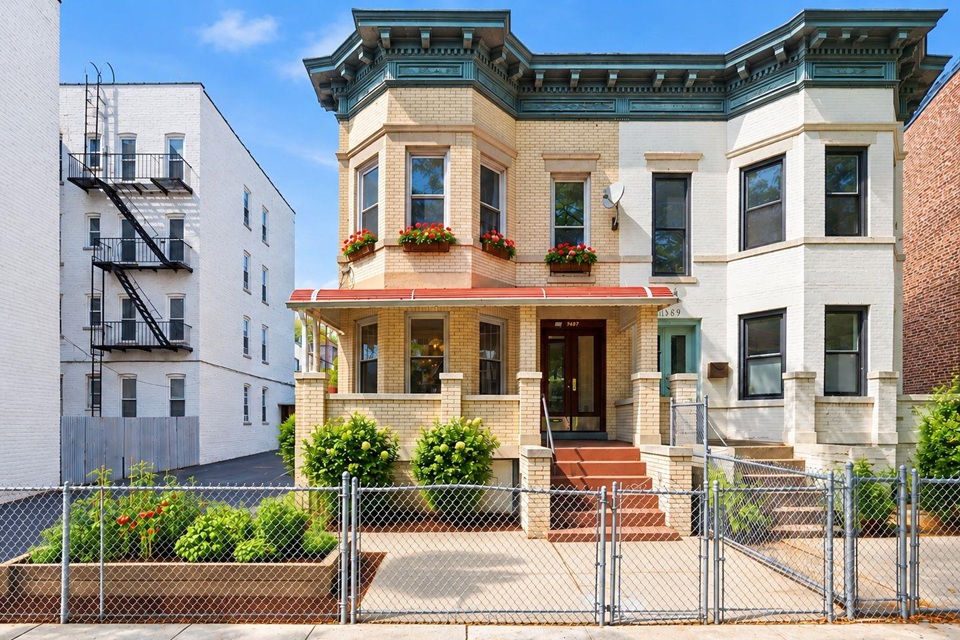
Photorealistic Brooklyn residential street at golden hour, showing a prospective buyer walking past a sunlit brownstone and nearby subway entrance, warm directional light, soft shadows, subtle city activity, and an inviting yet thoughtful atmosphere.
Consider two hypothetical homes. A lower-priced co-op may carry substantial monthly maintenance because the charge can include building operating costs and property taxes. A higher-priced condo may have lower recurring charges but require a larger down payment and mortgage. Compare the total monthly obligation, not one line item.
Property taxes and assessments deserve a direct review before an offer. The New York City property assessment information can help buyers understand how the city values property as part of the tax-bill process, although a buyer should still review the listing details and consult appropriate professionals for property-specific questions.
Study Transit & Commute Patterns
A short distance on a map does not guarantee an easy trip. Measure the full journey from the building entrance to the workplace, school, or other frequent destination. Include the walk to transit, wait time, transfers, and the final walk after arriving.
- Test the route during peak hours, evenings, and weekends.
- Check whether late-night service affects your schedule.
- Consider bus options as well as subway routes.
- Confirm whether the commute still works if office attendance increases.
Reviewing the MTA’s subway and Brooklyn bus maps is a practical first step, but an in-person test of the exact route provides a clearer picture of daily travel.
Look Beyond Listing Photos
Visit promising areas more than once. A block that feels calm on a Saturday afternoon may be busier during weekday drop-off hours or evening rush. Pay attention to traffic, lighting, sidewalk conditions, train noise, delivery activity, and how comfortable the route feels between transit and the building.
- Visit on a weekday morning.
- Return during the evening commute.
- Walk the area on a weekend.
- Stop by nearby parks, stores, and transit entrances.
- Observe the building and block without relying on listing photos.
Compare Brooklyn Housing Types
Co-ops & Condos
Co-ops commonly involve board review, financial requirements, building rules, and monthly maintenance. Condos may offer different levels of ownership flexibility, but buyers should carefully review common charges, reserves, insurance, and policies governing subletting or renovations.
Townhouses, Brownstones, & Small Multifamily Homes
These properties can offer privacy, outdoor space, and additional room, but the owner may carry more direct responsibility for roofs, boilers, facades, plumbing, and other building systems. A small multifamily property may provide rental income potential, while also creating landlord and maintenance responsibilities.
New Development
Newer buildings may include modern finishes and amenities. Buyers should still ask about taxes, common charges, warranties, construction status, sponsor documents, and any temporary incentives that may change over time.
Review Market Conditions Block By Block
Brooklyn is not one uniform market. Conditions can vary by neighborhood, property type, price range, building, and even block. Review recent comparable sales, active competition, days on market, price changes, and the number of similar homes available when deciding how to approach an offer.
Also look for planned housing, streetscape, park, school, transit, or commercial projects. Separate confirmed work from early proposals, then consider both possible benefits and potential construction disruption. New development can affect views, noise, traffic, local services, and future buyer interest.
Ask Important Building & Property Questions
- What is the condition and age of major systems such as the roof, boiler, facade, and elevators?
- Are assessments, capital projects, or major repairs planned?
- What do the building financials and reserve funds show?
- Are pets, home offices, renovations, and subletting restricted?
- Are there unresolved maintenance concerns, permits, or violations?
- What insurance does the building maintain, and what coverage will the buyer need separately?
Use A Simple Neighborhood Scorecard
Assign each category a score from one to five, then weigh the areas that matter most to your household:
- Budget, 25%: Does the complete monthly cost fit comfortably?
- Commute, 20%: Is travel reliable and manageable?
- Home condition, 20%: Can you handle the likely scope of repairs or renovations?
- Lifestyle, 15%: Are the services and surroundings a good daily fit?
- Future flexibility, 10%: Will the home still work if needs change?
- Resale appeal, 10%: Does the location have qualities future buyers may value?
A Practical Pre-Offer Checklist
- Confirm the all-in monthly housing cost.
- Review recent comparable sales and competing listings.
- Visit the block at multiple times of day.
- Test the commute and nearby errands.
- Review building records, financials, and restrictions.
- Ask about repairs, assessments, and future work.
- Set a firm offer limit before negotiations begin.
Conclusion
A confident Brooklyn home purchase starts with a comparison process that is personal and practical. Evaluate the full cost, commute, property type, building condition, local environment, and future flexibility. By looking beyond the listing price and spending time in each prospective neighborhood, buyers can choose a Brooklyn home that supports both present needs and longer-term plans.