
Key Takeaways:
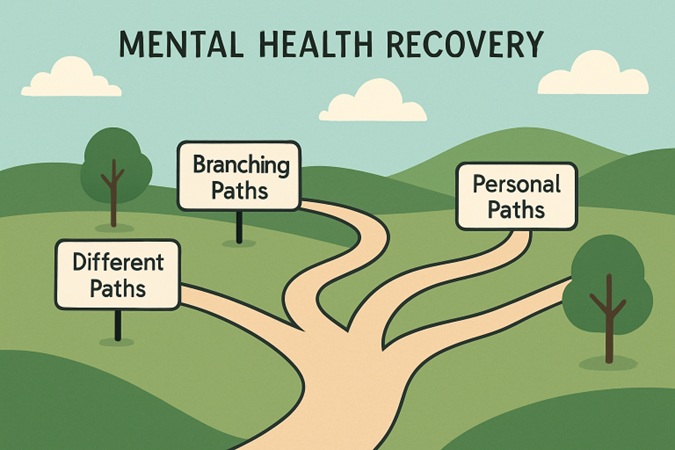
- Recovery is a personalized journey with multiple pathways.
- Combining traditional therapies with holistic approaches can enhance well-being.
- Community and peer support play a crucial role in sustained recovery.
Embarking on mental health recovery is personal and transformative, shaped by individual experiences and needs. Understanding available options can ease the journey to wellness, whether you’re seeking support for the first time or continuing your healing. Exploring trusted resources such as https://newharborbh.com/ can offer helpful insights and guidance as you navigate different paths to care. Recovery isn’t a single event but a continuum of choices that build resilience, involving professionals, supportive communities, holistic practices, or digital tools. Inspiration from others who have faced similar challenges can be empowering, and recognizing that recovery varies for everyone helps set realistic goals. A supportive environment encourages open expression and fosters growth, turning setbacks into meaningful learning experiences. Accessing reputable resources, such as the National Alliance on Mental Illness, provides valuable guidance, helping you stay informed and connected throughout your journey.
Traditional Therapies
Traditional therapies remain the cornerstone of mental health recovery for many people. Cognitive-behavioral therapy, or CBT, is frequently recommended for its effectiveness in helping individuals recognize and modify unhelpful thought patterns. Numerous studies confirm that CBT can significantly reduce symptoms of anxiety and depression while empowering patients to develop healthy coping strategies. Alongside talk therapy, medication management may also be an important part of the recovery journey. Antidepressants, mood stabilizers, or antipsychotics can help alleviate symptoms, giving individuals the stability needed to fully participate in daily activities and therapeutic work.
It is essential to work closely with qualified professionals who can tailor strategies to suit your unique needs. Open communication with your care team helps ensure your treatment evolves as your goals and symptoms change over time.
Holistic Approaches
More people are discovering the benefits of holistic methods that complement traditional care. Holistic approaches support well-being by nurturing mind and body. Practices like mindful meditation, deep breathing, yoga, and acupuncture reduce stress and enhance emotional balance. Research shows mind-body techniques are effective. The American Psychological Association links regular mindfulness to increased resilience and better emotional regulation. Holistic methods can be combined with medication or therapy; for instance, yoga and meditation offer daily grounding, while professional support ensures ongoing clinical care. Combining these approaches can boost results and promote long-term wellness.
Peer Support & Community Engagement
Human connection is a vital component of recovery. Engaging with someone who has lived experience with mental health challenges can provide a unique layer of empathy and encouragement. Peer support programs such as Whole Health Action Management (WHAM) demonstrate the power of community involvement by focusing on self-management, goal setting, and shared experience. Participants in peer-led programs often report a greater sense of hope and control over their recovery process.
Community engagement also brings structure and accountability to daily life. Participation in mutual aid groups, advocacy initiatives, or wellness workshops can foster a sense of belonging and strengthen coping skills. Volunteering, group therapy, or creative projects help people reconnect with their surroundings and develop supportive friendships.
Digital Tools & Resources
Technology continues to change the landscape of mental health support. Mobile apps and online platforms provide accessible and flexible tools for those on a recovery journey. Services like Cope Notes deliver daily positive messages and mental health reminders to users worldwide, helping them maintain focus and motivation. As of 2025, more than 40,000 individuals across 97 countries have used this service, reflecting the broad appeal and effectiveness of digital support options.
Other options include mood-tracking applications, telehealth therapy, and guided-meditation resources. Many people find digital tools useful as supplements to traditional treatment, offering on-demand support anywhere, anytime.
Creating A Personalized Recovery Plan
Personalization is crucial in mental health recovery. No two recovery plans are identical, as each person’s strengths, resources, and life circumstances are unique. The Wellness Recovery Action Plan (WRAP) offers a self-directed, voluntary approach for identifying triggers, planning for wellness, and responding proactively to setbacks. It encourages individuals to focus on their strengths and helps facilitate communication with care providers and family members. A personalized plan provides direction and confidence, transforming overwhelming challenges into manageable tasks.
Overcoming Challenges In Recovery
Recovery often presents obstacles such as stigma, barriers to care, and the unpredictability of symptoms. Building resilience involves developing self-compassion, cultivating patience, and seeking support from trusted networks. Education about mental illness can reduce stigma and empower individuals to advocate for themselves within healthcare systems and communities. Overcoming external and internal challenges requires time, courage, and consistency. Remember that setbacks are not failures but opportunities to learn and grow stronger on your ongoing journey toward mental health and recovery.
Conclusion
Mental health recovery is a dynamic and individualized process that flourishes with a diverse set of supports. By combining traditional therapies, holistic approaches, peer involvement, and personalized planning, people can navigate their way toward genuine wellness. Every path is unique, and each step forward brings new insight, strength, and hope. Continue seeking connections, knowledge, and resources, as these are the foundations of long-lasting mental health and meaningful recovery.