
The Intersection Of Estate Planning & Urban Living
Urban living offers a dynamic lifestyle, but it also presents unique challenges for protecting our assets and ensuring intergenerational wealth. For urban homeowners, particularly those navigating high property values and dense environments, strategic Estate Planning is not merely advisable – it is essential.
We understand the complexities involved in securing your legacy within the bustling city. This extensive guide will shed light on why Estate Planning holds such crucial importance for urban residents. This includes those who own multi-unit buildings or live in modern Pilsen urban apartments. We will delve into critical issues like tangled titles and heirs’ property, which pose significant risks to wealth preservation. Our discussion will also cover the influence of urban planning on property inheritance and the impact of the digital divide on access to modern planning tools.
We aim to empower you with knowledge about effective strategies, technological innovations, and policy solutions to safeguard your urban assets.

Estate planning is the process of arranging for the management and disposal of a person’s estate upon their death or incapacitation. This typically involves drafting wills, establishing trusts, and designating beneficiaries. While crucial for everyone, estate planning takes on a particular urgency in urban environments. Cities are characterized by high property values, dense living conditions, and often complex real estate markets, making the stakes for proper asset protection exceptionally high. For urban homeowners, the value of their property often represents the largest portion of their wealth, making its secure transfer paramount for intergenerational financial stability.
The unique pressures of urban living—such as rapidly appreciating property, diverse family structures, and varying state and local regulations—demand a proactive approach to estate planning. Without a clear plan, urban properties can become entangled in legal disputes, leading to significant financial losses and emotional distress for heirs. Comprehensive Urban estate planning considers these specific challenges, providing tailored solutions to protect assets and ensure a smooth transition of wealth.
The importance of this planning is further underscored by the significant racial and generational wealth gaps prevalent in many urban areas. Historical injustices and systemic barriers have often prevented minority communities from fully leveraging homeownership as a tool for wealth creation, making clear estate plans even more vital for these families. Addressing these disparities requires not just legal solutions but also a deeper understanding of community-specific needs, as highlighted in various initiatives and discussions on platforms like Sciforum and SciProfiles that explore urban development and social equity. For residents in vibrant urban neighborhoods, such as those seeking Urban Living Chicago, understanding these dynamics is key to securing their financial future.
Why Is Estate Planning & Urban Living Integration Necessary For Homeowners?
Estate planning is particularly crucial for urban homeowners primarily due to the high property values and dense living conditions that define metropolitan areas. In cities, real estate often represents a substantial portion of an individual’s net worth. Without a meticulously crafted estate plan, this valuable asset can be exposed to various risks, including protracted probate processes, unnecessary taxation, and family disputes. The average cost of legal services for estate planning, ranging from $500 to $1,500, can seem daunting, yet it pales in comparison to the potential loss of equity from an unplanned estate.
A lack of proper planning can lead to fractional ownership, where multiple heirs inherit a property without clear titles, creating what are known as “tangled titles.” This issue is exacerbated in dense urban settings where property is often passed down through generations. The absence of a will or trust can leave a property vulnerable, making it difficult for heirs to sell, leverage, or even maintain the home. This is particularly concerning given that 42.4% of senior homeowners (older than 50) do not have a will or trust, with this figure rising to over half for senior homeowners of color (76.0% Hispanic, 69.4% Black). These statistics underscore the urgent need for integrated estate planning solutions that acknowledge the unique financial and social contexts of urban life. The complexities of urban property, from co-op apartments to multi-family dwellings, necessitate specialized planning to ensure wealth preservation and prevent the erosion of family assets. For more detailed insights into various legal concepts, resources like Encyclopedia can offer valuable background.
Risks Of Tangled Titles In Metropolitan Areas
Tangled titles and heirs’ property issues manifest acutely in urban environments, posing significant risks to wealth preservation. Heirs’ property arises when a property is passed down without a formal will or legal transfer of title, leading to multiple owners holding fractional, undivided interests. In cities, where property values are high and development pressures are constant, this situation can be catastrophic.
The primary risk is the inability to clear title, which prevents heirs from obtaining mortgages, making necessary repairs, or selling the property at fair market value. This lack of clear ownership can also lead to properties falling into disrepair, incurring code violations, and eventually being lost due to property tax liens or forced partition sales. Research indicates that tangled titles could jeopardize an estimated $243 billion in total housing wealth among homeowners older than 50 who are most at risk of heirs’ property.
This vulnerability is particularly exploited by speculative investors who buy out small fractional shares from one heir, then use legal mechanisms to force a partition sale of the entire property, often below market value. This process strips families of their inherited wealth and contributes to gentrification and displacement in historically marginalized urban communities. The inability to access legal services due to cost is a major barrier; over 60% of Black and Hispanic homeowners without a will have less than $500 in liquid assets, making the typical $500–$1,500 legal fees for estate planning unaffordable. This financial constraint, coupled with a lack of awareness, perpetuates the cycle of tangled titles and wealth erosion in urban areas.
Urban Planning Standards & Real Estate Inheritance
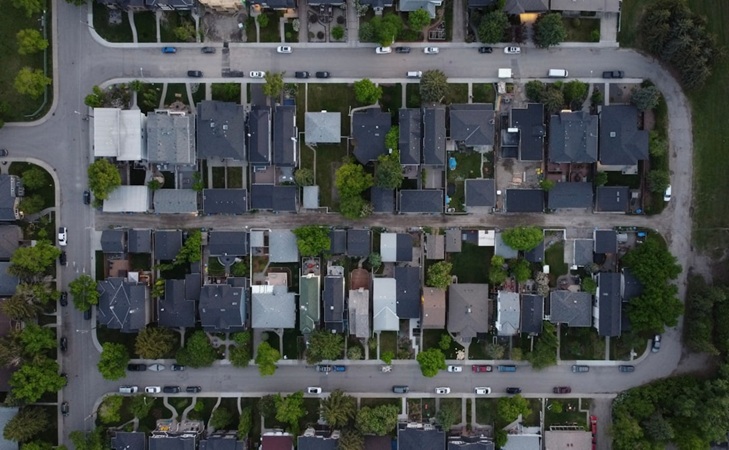
Urban planning plays a profound role in shaping the physical and economic landscape of cities, which in turn directly impacts real estate development and the mechanisms of inheritance. By dictating land use, zoning regulations, infrastructure development, and density, urban planning establishes the framework within which property values fluctuate and assets are created or diminished. A well-planned urban environment can facilitate robust real estate markets, ensuring that properties retain or increase their value, thus providing a substantial legacy for heirs. Conversely, poor or absent planning can lead to blight, depreciation, and complex legal challenges that hinder inheritance.
Historical urban planning concepts, such as Garden Cities and New Towns, have significantly influenced modern real estate development and, by extension, estate transfer. These concepts, born from the need to address overcrowding and poor living conditions during the Industrial Revolution, emphasized balanced land use, green spaces, and integrated communities. For example, the Garden City movement, pioneered by Ebenezer Howard, aimed to combine the benefits of town and country living, creating self-contained communities with residential, commercial, and industrial areas. This foresight in planning ensured long-term stability and desirability for properties within these developments.
Today, these principles continue to inform master-planned communities and urban regeneration projects, affecting property values and the ease with which these assets can be inherited or managed. For residents in areas like Pilsen Chicago Apartments, the historical and ongoing urban planning decisions in their neighborhood directly influence their property’s present and future value, and therefore its potential as an inherited asset. Academic resources on urban development, such as those found on Preprints.org, often delve into these historical influences and their contemporary relevance.
Influence Of Historical Planning On Modern Estates
The influence of historical urban planning concepts on modern real estate development and estate transfer is undeniable. Concepts like Garden Cities and New Towns laid the groundwork for structured urban growth, moving away from chaotic, organic development. Garden Cities, such as Letchworth, integrated residential, industrial, and agricultural zones with ample green spaces, creating sustainable communities that maintained property value over time. British New Towns, like Crawley, further refined this model, establishing planned communities with distinct neighborhoods, subsidized housing, and dedicated industrial areas. These structured approaches ensured that properties within these estates were part of a larger, well-maintained system, making them more attractive and stable assets for future generations.
The idea of satellite towns, proposed by Raymond Unwin, aimed to create smaller, self-sufficient communities outside major urban centers, reducing congestion while providing quality living. Similarly, the concept of neighborhood units, with schools, parks, and shops within walking distance, became a staple of modern residential planning. These planning principles directly impact inheritance by creating desirable, resilient properties that are easier to appraise, manage, and transfer. Properties in well-planned estates often benefit from stable property values, clearer boundaries, and established infrastructure, all of which streamline the estate transfer process and preserve wealth. The integration of land use zoning and comprehensive infrastructure guidelines, derived from these historical models, continues to be critical for the long-term viability and inheritable value of urban real estate.
Feature Garden City Principles (Ebenezer Howard) Modern New Town Developments (Post-WWII UK) Core Idea Combine town and country benefits Decentralize population, create self-contained towns Land Use Balanced residential, industrial, agricultural Zoned residential, commercial, industrial, green Green Space Extensive parks, gardens, agricultural belts Parks, open spaces, nature reserves integrated Community Size Limited population (e.g., 32,000) Larger, often 50,000+ Ownership Land held in trust for community Mix of public and private ownership Infrastructure Integrated utilities, public transport Comprehensive road networks, public services Impact on Estate Stable property values, desirable living Long-term asset value, planned growth Lessons from Industrial Estate Land Use
While seemingly distinct, industrial estate planning offers valuable lessons for residential estate planning, particularly in urban areas. The Medan Industrial Estate in Indonesia, for instance, provides a compelling case study. Early industrial developments (KIM I) were often ad hoc, leading to irregular road patterns, poor circulation, and a lack of amenities. Later phases (KIM II), however, integrated urban design principles, resulting in grid-iron road patterns, clear land use allocations, and dedicated support facilities and open spaces.
These lessons directly apply to residential estate planning in cities. Just as industrial estates thrive with clear land use (e.g., max 70% industrial plots, min 10% open space, 8-12% roads/drainage, 6-12% support facilities), residential areas benefit from thoughtful zoning, adequate green spaces, and well-designed infrastructure. For instance, the provision of support facilities (like community centers, schools, and commercial areas) within residential estates enhances livability and property value. Similarly, ensuring sufficient open space—not just for recreation but also for environmental benefits—is crucial for long-term sustainability and desirability.
The grid-iron patterns in KIM II, which improved traffic flow and accessibility, highlight the importance of well-planned circulation in any dense urban environment. For homeowners, especially those in multi-unit buildings or planned residential complexes, the quality of shared infrastructure and amenities directly impacts their property’s value and appeal. Integrating these principles into residential estate planning can help create more resilient, livable, and inheritable urban communities. Further research on urban development and land use can be explored through academic platforms like JAMS.
Technological Integration & The Digital Divide
The rapid advancement of technology offers unprecedented opportunities to streamline estate planning, making it more accessible and affordable for urban populations. Artificial intelligence (AI) and cloud-based tools are transforming the legal services industry, promising to simplify complex processes, reduce costs, and expand reach. For example, cloud-based software allows legal professionals to manage documents, collaborate, and serve clients remotely, enhancing efficiency. In the legal services industry, 97.6% of firms find cloud-based technology ‘important’ or ‘very important,’ with 55.8% having already tested or adopted it, significantly higher than the average across all sectors (32.4%). AI, though still in earlier stages of adoption (7.7% in legal services vs. 6.0% across all sectors), holds potential for automating document drafting, legal research, and personalized advice.
However, the promise of technological integration is starkly contrasted by the persistent digital divide, which disproportionately affects urban residents, particularly low-income and minority communities. While many urban dwellers have access to technology, significant segments remain underserved. This divide creates a barrier to accessing modern estate planning tools that are increasingly online-based. For example, 21% of all homeowners older than 50 do not use the internet frequently, but this figure jumps to over 50% for those at risk of tangled titles (no will/trust, widowed, multiple children). For homeowners of color at risk, this number is even higher, at 71%. This means the very tools designed to make estate planning easier and more affordable are often inaccessible to those who need them most.
The lack of smartphone or internet access is particularly pronounced among older Black households: 9.7% of Black baby boomer households and 26.3% of Black silent generation households lack such access, compared to 4.9% and 18.1% for white households, respectively. This gap in technological literacy and access means that online will-making platforms, digital vaults for important documents, and AI-driven legal assistance often bypass vulnerable populations. Addressing this digital divide is therefore not just a matter of social equity but a critical component of ensuring equitable access to wealth preservation tools in urban settings. For those seeking modern living options, including Chicago Rentals or Apartments Near Public Transportation, understanding the digital landscape of legal services is increasingly important. Resources like Scilit can provide further academic context on technology adoption in various fields.
How Does The Digital Divide Impact Estate Planning & Urban Living?
The digital divide profoundly impacts estate planning for urban residents, especially among low-income and minority communities. Access to modern estate planning tools often requires internet connectivity, a computer or smartphone, and a certain level of digital literacy. For many urban dwellers, particularly seniors and those in historically underserved neighborhoods, these resources are not readily available.
The statistics paint a clear picture: a significant percentage of senior homeowners and homeowners of color, who are often most at risk of tangled titles, do not use the internet frequently. This lack of access means they miss out on the growing number of affordable online will-making services, digital platforms for storing important documents, and virtual legal consultations. These tools could significantly reduce the cost and complexity of estate planning, but without digital inclusion, they remain out of reach.
Consequently, these communities are more likely to rely on traditional, often more expensive, in-person legal services, or worse, forgo estate planning altogether. This perpetuates the cycle of heirs’ property issues and wealth erosion. Bridging this gap requires targeted interventions, such as providing device subsidies, expanding affordable internet access, and offering digital literacy training. Without these efforts, the digital divide will continue to exacerbate existing inequalities in wealth preservation within urban landscapes. Those interested in contributing to academic discussions on these topics can explore platforms like Submit to this Journal.
Streamlining Legal Services With Technology
Technology has the potential to revolutionize how legal services, particularly estate planning, are delivered to urban populations. AI-powered tools can automate the generation of basic legal documents, such as wills and trusts, reducing the time and cost associated with their creation. Cloud-based software enables secure storage of sensitive estate planning documents, offering easy access for clients and their legal teams while ensuring robust data protection. This digital transformation is already underway, with the legal industry showing a strong inclination towards adopting cloud solutions and specialized software.
Beyond document automation, technology can facilitate virtual consultations, making legal advice more accessible to individuals with mobility challenges, demanding work schedules, or those living far from legal offices. Digital vaults provide secure platforms for inventorying and managing digital assets—from cryptocurrency to online accounts—which are increasingly important components of modern estates. These innovations can significantly streamline the estate planning process, making it more efficient, less costly, and ultimately more accessible to a broader segment of the urban population. However, the successful integration of these tools hinges on addressing the digital divide, ensuring that all urban residents can benefit from these advancements. For insights into current trends and discussions in the legal tech space, professional blogs like Blog often provide valuable perspectives.
Strategies For Wealth Preservation In Cities
In the dynamic urban landscape, proactive estate planning is crucial for protecting property from threats like partition sales and speculative buyouts. High property values and dense development often attract opportunistic investors who exploit vulnerabilities in property ownership, particularly those arising from tangled titles. Without clear estate plans, properties can become targets for “heirs’ property” schemes, where speculators buy fractional interests from one heir to force a sale of the entire property, often below market value. This process can dispossess families of their most significant asset, especially in gentrifying neighborhoods.
To combat this, urban homeowners can employ several strategies. Establishing a revocable living trust is a powerful tool, as it allows property to be held by the trust, avoiding probate and clearly defining beneficiaries and their shares. This prevents fractional ownership and makes it much harder for external parties to force a sale. Similarly, for properties owned by multiple family members, forming a Limited Liability Company (LLC) with a detailed operating agreement can provide a clear framework for management, expenses, and future transfer, protecting the asset from forced sales. For those looking for diverse housing options, including Apartments Near Downtown Chicago or Apartments Near UIC, understanding these protective measures is increasingly vital.
The racial and generational wealth gaps in urban areas exacerbate these heirs’ property risks. Historically, discriminatory practices have prevented Black and Hispanic families from building and retaining wealth through homeownership. The lack of proper estate planning, often due to financial barriers or distrust of legal systems, leaves these families highly vulnerable to predatory practices. Targeted interventions are needed, such as free or low-cost legal clinics, community-based workshops, and culturally sensitive outreach programs. These initiatives can empower urban residents to create robust estate plans, ensuring their property remains a source of intergenerational wealth rather than a target for exploitation. Exploring career opportunities in urban planning or related fields can also provide insights into addressing these systemic issues, as seen on platforms like Careers.
Protecting Property From Speculative Buyouts
Protecting urban property from partition sales or speculative buyouts requires proactive estate planning and legal strategies. One effective method is to establish a clear and comprehensive will or trust. A trust, particularly a revocable living trust, holds the property and dictates its distribution, preventing the fractional ownership that often leads to tangled titles. This makes it significantly more challenging for speculators to acquire small interests and force a sale.
For properties with multiple owners, such as those passed down through generations, a “right of first refusal” clause can be included in a trust or co-ownership agreement. This clause mandates that if one heir wishes to sell their share, they must first offer it to the other co-owners at a predetermined price or market value, preventing outside buyers from infiltrating the ownership structure. Additionally, creating detailed “use and maintenance agreements” for shared properties can prevent disputes among heirs that might otherwise lead to a forced sale. These agreements outline responsibilities for upkeep, expenses, and decision-making.
Furthermore, proactive title management, including regularly updating county land records after an inheritance, is essential. Many heirs’ property issues stem from outdated or unclear titles. Engaging with legal aid clinics and community-based organizations that offer estate planning assistance can also provide vital support, especially for vulnerable communities. These organizations often help families understand their rights, draft necessary documents, and navigate complex legal processes to secure their property.
Policy Recommendations For Urban Residents
To bridge the digital divide and improve estate planning access in cities, a multi-faceted approach involving policy recommendations and public-private solutions is essential. Firstly, reauthorizing and expanding programs like the Affordable Connectivity Program (ACP) is crucial. The ACP subsidizes internet services for low-income households, directly addressing the access barrier. Complementary to this, device subsidies for laptops and tablets, especially for seniors and low-income families, can ensure that residents have the necessary hardware to utilize modern online tools.
Secondly, expanding legal aid services and establishing more estate planning clinics in urban centers, particularly in underserved neighborhoods, can provide direct, affordable legal assistance. These clinics can offer workshops, one-on-one consultations, and help with drafting wills and trusts, tailored to the specific needs of urban populations.
Thirdly, public-private partnerships can leverage the expertise of technology companies and legal firms to develop user-friendly, low-cost online will-making platforms. Governments can then promote these tools through trusted community channels and provide digital literacy training to ensure effective adoption. Finally, educational campaigns, particularly those targeting adult children, can encourage them to assist their parents and older relatives in navigating digital estate planning tools and understanding the importance of proactive planning. By combining technological solutions with robust community support and policy interventions, we can ensure that all urban residents have the opportunity to protect their assets and secure their family’s financial future.
Frequently Asked Questions About Estate Planning & Urban Living
What are the main barriers to creating a will in a city?
Urban dwellers face several significant barriers to creating a will. The primary obstacles include the cost of legal services, which can be prohibitive for low-income residents, especially when liquid assets are scarce. Many urban residents also lack easy access to legal counsel, either due to geographical distance from affordable services or a general distrust of the legal system, particularly in marginalized communities. Technological literacy and access to necessary digital tools also pose a barrier, as many modern, cost-effective estate planning solutions are online. Furthermore, complex family structures, common in diverse urban environments, can make the process seem daunting. Finally, a lack of awareness regarding the risks of heirs’ property and tangled titles means many urban homeowners simply don’t realize the urgency or importance of having a will.
How can urban homeowners prevent forced partition sales?
Urban homeowners can prevent forced partition sales through several proactive estate planning measures. The most critical step is establishing clear titles through a will or, preferably, a trust. A trust can ensure that property is transferred smoothly to designated beneficiaries, avoiding fractional ownership that can be exploited by speculators. For properties already held by multiple heirs, formalizing co-ownership agreements that include a “right of first refusal” clause can prevent an outside party from buying a share and forcing a sale. Additionally, forming an LLC to hold the property, with a comprehensive operating agreement, can provide a structured way to manage the asset and prevent individual heirs from unilaterally forcing a sale. Regular audits of the estate plan and property title are also crucial to address any potential vulnerabilities before they become critical.
What role does technology play in modern asset protection?
Technology plays an increasingly vital role in modern asset protection within urban estate planning. Cloud-based document storage solutions offer secure, accessible platforms for storing wills, trusts, and other critical legal documents, ensuring they are not lost or destroyed. AI-driven legal assistance tools can help individuals draft basic estate planning documents, conduct legal research, and even automate asset valuation, making the process more efficient and affordable. Digital asset inventories are essential for managing modern estates, which often include cryptocurrencies, online accounts, and other digital properties. Furthermore, technology facilitates improved accessibility for remote consultations with legal professionals, breaking down geographical barriers and making expert advice more available to busy urban residents. These tools, when coupled with efforts to bridge the digital divide, can significantly enhance asset protection for urban populations.
Conclusion
In the intricate tapestry of urban life, proactive estate planning is not just a legal formality but a cornerstone of financial security and intergenerational wealth. From navigating high property values and dense living conditions to safeguarding against the perils of tangled titles and speculative buyouts, urban homeowners face unique challenges that demand careful consideration.
We have explored how historical urban planning shapes our modern estates, how the digital divide creates disparities in access to vital legal tools, and the critical need for targeted interventions to protect vulnerable communities. By embracing proactive legal strategies, leveraging technological advancements, and advocating for supportive policies, urban residents can ensure their assets are protected, their legacies preserved, and their families’ futures secured.
Effective estate planning in an urban context contributes to more than just individual wealth; it fosters community resilience, promotes sustainable urban growth, and helps build a more equitable future for all city dwellers.