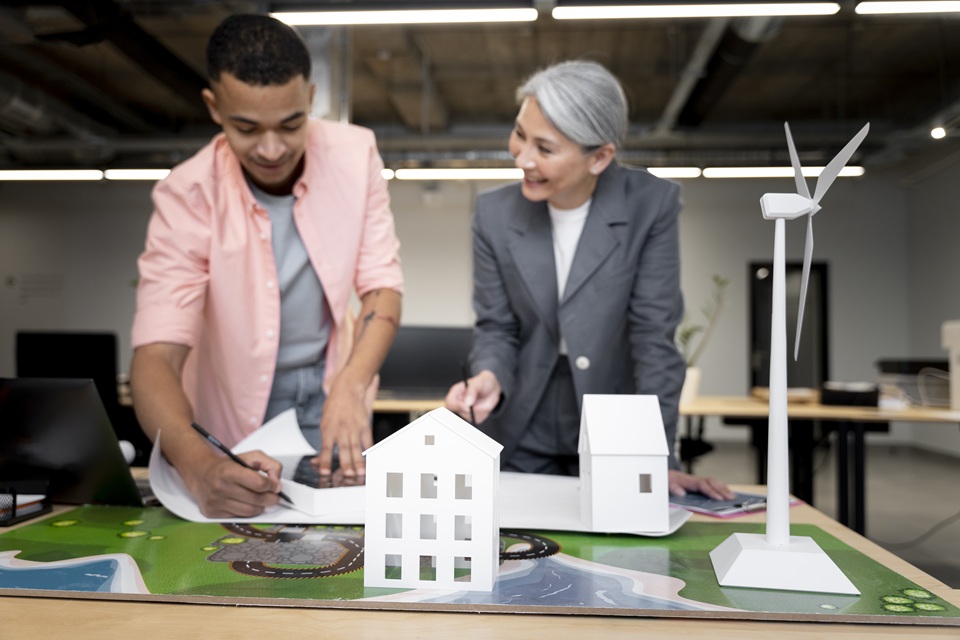
As urbanization increases, the demand for sustainable building practices is reshaping the construction industry. Innovative technologies, eco-friendly materials, and nature-inspired designs are being integrated to minimize environmental impacts while enhancing urban livability. Builders prioritizing resource efficiency throughout construction are leading this movement, promoting enhanced human experiences and quality of life. Trends focus on creating resilient developments that conserve resources and lower emissions, benefiting both residents and the environment. Emerging materials and net-zero energy buildings reduce carbon footprints, while smart technologies optimize energy and water efficiency. Nature-driven designs improve well-being, and historical cooling methods offer sustainable solutions. A collaborative, holistic approach among stakeholders is essential to achieve truly sustainable construction, paving the way for efficient, harmonious living environments that support ecological balance.
Innovative Materials Reducing Environmental Impact
In the quest to reduce the environmental impact of new developments, the construction industry is increasingly prioritizing low-carbon alternatives to traditional building materials. Sustainability-minded builders are opting for responsibly sourced timbers, high-performance insulation made from natural fibers, and recycled options such as reclaimed wood or steel. Notably, self-healing concrete—an innovation gaining attention in modern construction—incorporates specific bacteria that activate in the presence of moisture to repair cracks by producing calcium carbonate, also known as limestone. This process extends the lifespan and durability of structures while reducing the need for future repairs, helping lower long-term costs and minimize emissions associated with ongoing maintenance and material waste.
Net-Zero Energy Buildings Becoming The Standard
Net-zero energy buildings (NZEBs) represent a milestone in the evolution of green architecture. These projects are designed to produce as much renewable energy on-site as they consume over the course of a year, creating a balance that essentially eliminates their net carbon emissions. Cutting-edge technologies, such as high-efficiency solar panels, geothermal heating and cooling systems, and advanced battery storage solutions, enable buildings to meet their own electrical and heating needs. Alongside these systems, precision carpentry supports passive solar design through thoughtful window placement, airtight framing, and the use of sustainably sourced materials that enhance thermal performance. Superior insulation and natural airflow strategies also play crucial roles in optimizing energy consumption. Globally, the movement toward NZEBs is gaining traction as public incentives and buyer preferences continue shifting toward climate responsibility, demonstrating how achievable and scalable sustainable living has become within the built environment.
Smart Building Technologies Enhancing Efficiency
The burgeoning field of smart building technology is unlocking new levels of operational efficiency and sustainability across residential, commercial, and mixed-use developments. With the Internet of Things, an array of devices and sensors can be linked to monitor everything from indoor air quality and lighting to water usage and HVAC performance. These systems supply real-time data that enable facilities managers or homeowners to identify inefficiencies, forecast potential equipment failures, and significantly reduce utility costs. Artificial intelligence further amplifies these capabilities by learning usage patterns and automatically adjusting systems for optimal comfort and efficiency—such as dimming lights when rooms are vacant or adjusting temperature to match occupancy. By integrating these solutions, smart buildings not only lower their environmental impact but also provide safer, more responsive, and adaptable environments for occupants, supporting long-term savings and sustainability.
Biophilic Design: Integrating Nature Into Architecture
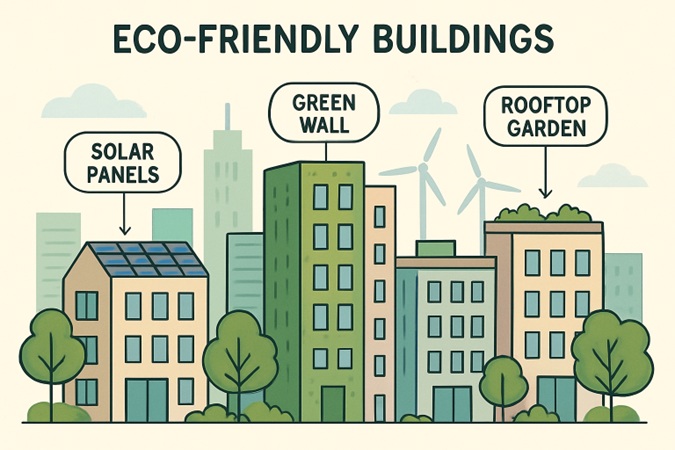
Biophilic design prioritizes a deeper connection with nature by deliberately incorporating natural elements—such as green living walls, indoor courtyards, plentiful plant displays, and expansive windows showcasing outdoor vistas—into architectural plans. This movement brings measurable health and psychological benefits: buildings that maximize exposure to natural light and ventilation often report drops in resident stress, higher productivity, and improved mental well-being. Carefully chosen materials, such as stone, wood, and water features, echo the patterns of the natural world, transforming concrete environments into soothing retreats. Increasingly, both new builds and renovation projects are incorporating these strategies, recognizing that the restorative power of nature can lead to healthier, more vibrant living and working spaces, all while saving energy and supporting biodiversity.
Eco-Brutalism Merging Aesthetics With Green Infrastructure
Eco-brutalism is emerging as an avant-garde movement that redefines the utilitarian ethos of mid-century brutalist architecture by introducing lush greenery and eco-friendly features. In these projects, previously imposing concrete structures are rehabilitated or reimagined using renewable resources alongside innovative green installations—ranging from dramatic vertical gardens to flourishing rooftop meadows. The juxtaposition of stark architectural lines with the organic forms of living plants offers a visually compelling synthesis of durability and regeneration. These bold spaces not only challenge preconceived notions of beauty in urban landscapes but also act as functional lungs for cities, improving air quality and promoting natural cooling effects. The effect is contemporary architecture that reflects both resilience and restoration.
Traditional Cooling Techniques Offering Sustainable Alternatives
As cities face rising temperatures and cooling costs, architects look to historical wisdom for sustainable solutions. Borrowing from Middle Eastern techniques, features like wind towers, thick masonry walls, and domed roofs are being revived for modern use. These methods utilize passive cooling, employing building orientation, geometry, and thermal mass to promote natural airflow and maintain comfortable interiors. This reduces energy-consuming air conditioning, lowering energy bills and emissions. By combining heritage with modern engineering, these strategies offer practical and culturally rich approaches to addressing climate challenges.
Conclusion
The road to a sustainable construction industry is illuminated by innovative thinking and a renewed respect for our planet’s limits. By embracing advanced materials, striving for net-zero energy use, leveraging the latest in smart technologies, and integrating the wisdom of both nature and tradition into contemporary architecture, modern communities are redefining what it means to thrive. These cutting-edge trends are not just options—they are the building blocks of future-ready neighborhoods that balance quality of life with ecological stewardship, enabling present and future generations to prosper while preserving precious resources and environmental integrity.