Key Takeaways:
- Sustainable real estate development enhances long-term property value and resilience.
- Implementing green building practices leads to significant cost savings and environmental benefits.
- Investors and tenants increasingly prefer properties with strong environmental, social, and governance (ESG) credentials.
Introduction
Sustainable real estate development is no longer a niche concept but a core approach shaping the future of property markets. Driven by changes in consumer expectations and the urgent need to address climate change, sustainable building practices have become central for developers and investors who want to deliver lasting value and responsible stewardship. In communities everywhere, eco-friendly features and energy-efficient systems are influencing not only how buildings are designed but also where buyers and tenants choose to invest their resources.
Embracing sustainability enhances not only the longevity and resilience of properties but also increases their attractiveness to forward-thinking investors. From reducing operational costs to mitigating risks related to energy and water scarcity, sustainable development offers tangible economic and environmental rewards for owners and residents alike—visit Your Home Wichita for more insight on how local developers are incorporating these strategies.
With stricter environmental regulations and growing demand for healthier indoor environments, properties with advanced sustainability features commonly command premium rents and higher resale values. Modern developers who focus on green building practices position themselves at the forefront of a changing market, fostering loyalty among tenants seeking healthier living or working spaces, as well as among institutional investors increasingly focused on ESG (Environmental, Social, and Governance) goals.
While the transformation toward sustainability is widespread, urban centers in advanced economies lead the way, with cities around the world setting ambitious targets for reducing carbon emissions, energy usage, and water waste. Developers who proactively implement green building standards not only fulfill regulatory requirements but also benefit from a growing market of eco-conscious buyers and renters, reinforcing their reputation and strengthening long-term property performance.
The Rise Of Sustainable Real Estate
The surge in sustainable real estate reflects increasing awareness of climate change, resource depletion, and the risks posed by extreme weather events. According to CNBC, cities such as London, Paris, and New York are leading the charge, with new building codes and incentives driving green development across both commercial and residential sectors. Sustainable development practices, once considered an optional luxury, are now imperative for risk management, regulatory compliance, and staying competitive in the global marketplace.
Key Components Of Sustainable Development
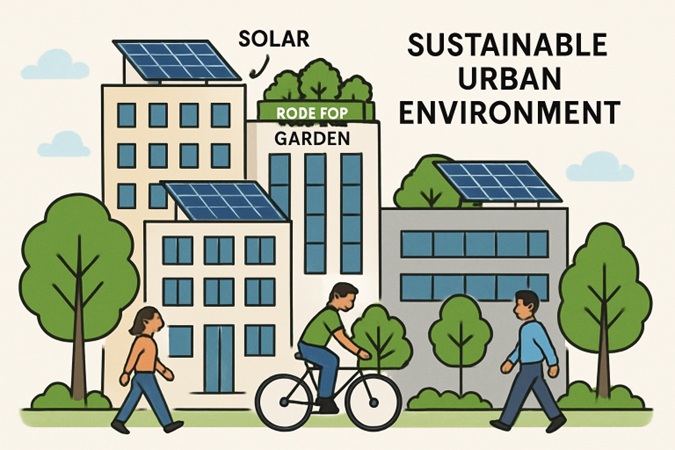
- Energy Efficiency: Implementing advanced lighting, insulation, smart thermostats, and renewable energy sources like solar panels to minimize reliance on fossil fuels and reduce utility costs.
- Water Conservation: Installing low-flow fixtures, rainwater harvesting systems, and greywater recycling to lower water usage and promote responsible resource management.
- Eco-Friendly Materials: Selecting durable, recycled, or rapidly renewable materials such as bamboo flooring, non-toxic paints, and reclaimed wood to reduce environmental footprint.
- Indoor Environmental Quality: Prioritizing natural light, air filtration, and ventilation to bolster occupant health and productivity.
- Site Sustainability: Developing properties in locations that minimize transportation emissions, preserve green spaces, and improve biodiversity through native landscaping and green roofs.
Economic Benefits Of Sustainability
Sustainable real estate consistently outperforms traditional developments in financial metrics. Properties certified through recognized programs, such as LEED or ENERGY STAR, typically benefit from lower utility bills, longer building lifespans, and reduced maintenance expenses. According to a report by CNBC, demand for green-certified buildings has increased significantly, as 95% of property investors now heavily weigh sustainability in their decision-making. Additionally, tenants are willing to pay a premium for spaces that support well-being and community health, thereby further boosting property returns over time.
Case Studies In Sustainable Development
- Populus Hotel, Denver: As the first carbon-positive hotel in the U.S., the Populus Hotel integrates cutting-edge sustainable practices, including eliminating on-site parking to reduce emissions, incorporating locally sourced materials, and investing in offset projects, thereby setting new standards for hospitality and commercial real estate.
- Sharjah Sustainable City, UAE: This visionary community features 1,250 energy-efficient homes equipped with rooftop solar panels, wastewater recycling systems, and on-site urban farms. It showcases how sustainable design can slash utility costs by up to 50% and foster greater social and environmental resilience.
Challenges & Solutions
Despite the clear advantages, sustainable development does encounter barriers. Higher upfront construction costs and a complex patchwork of environmental regulations can delay projects and raise budget concerns for stakeholders. There are, however, practical solutions:
- Accessing green financing, such as sustainability-linked loans, to offset higher initial investments and accelerate returns over a property’s lifecycle.
- Pursuing reputable green building certifications like LEED to standardize the implementation of sustainable design and gain credibility among both investors and the public.
- Leveraging public-private partnerships to pool expertise, resources, and funding, fostering innovation and more streamlined compliance with sustainability requirements.
Future Trends In Sustainable Real Estate
The path ahead holds even greater emphasis on sustainability. One significant development is the rapid retrofitting of older structures—essential, as research from the World Economic Forum reveals retrofitting needs to accelerate fivefold globally to align with decarbonization goals. Innovative building technologies, including IoT-based monitoring and automation, are poised to play a crucial role in efficient building management and proactive risk mitigation.
Resilient building design will likewise become mainstream, with engineers and architects focusing on climate-ready infrastructure to limit the impact of flooding, wildfires, or heatwaves. The convergence of sustainability and technology will define the next generation of high-performance, future-proof properties.
Conclusion
Prioritizing sustainable real estate development is both a responsible and strategic business decision. As demand for eco-friendly, resilient properties rises, developers who prioritize sustainability will outperform in terms of value, tenant retention, and long-term asset performance. The future of real estate is undeniably green—and the smartest investments will follow suit.