Key Takeaways:
- Understand the main types of home EV chargers and which suits your needs.
- Explore innovative smart charging technologies for savings and efficiency.
- Learn about the advantages of combining solar power with EV charging.
- Assess key installation and maintenance practices for long-term reliability.
- Review financial incentives that make upgrading your charging setup more affordable.
- Stay informed about exciting developments shaping the future of home EV charging.
As electric vehicles (EVs) continue to surge in popularity, the way homeowners power their cars is evolving rapidly. Understanding the most efficient and cost-effective strategies for at-home charging is critical for maximizing the value of your EV investment. Whether you are looking to upgrade your home charging setup or considering a transition to electric for the first time, adopting best practices can save you money while reducing your environmental impact. For residents interested in smart-charging upgrades, EV chargers in the Piedmont Triad offer tailored solutions to make charging safer and more convenient.
As local, state, and federal incentives continue to expand and technology evolves, now is the perfect time to familiarize yourself with innovations in home EV charging. This guide covers everything from selecting the right charger and installation tips to future-forward trends in bidirectional charging and smart home integration.
Investing in a robust charging solution can simplify your daily routine while enhancing property value, and there are growing resources to help homeowners navigate the process. This article will also connect you to trusted electrical contractors to ensure your installation meets industry standards and keeps your home safe.
Types Of Home EV Chargers
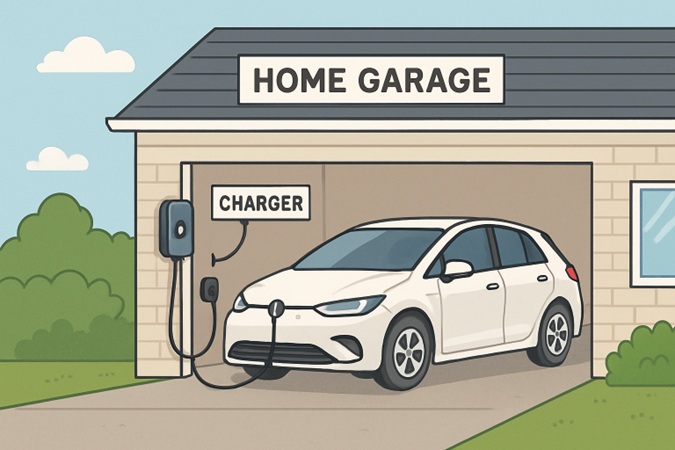
Before installing a home EV charging station, it’s essential to understand your options. EV chargers are generally classified as Level 1 or Level 2. Level 1 chargers use a standard 120-volt outlet available in nearly every garage or carport across the U.S. They add about two to five miles of range per hour and are generally suited for those with low daily mileage demands.
Level 2 chargers, in contrast, require a 240-volt outlet—similar to those used for large appliances like dryers. They provide a much faster charging experience, adding 10–20 miles of range per hour, and are preferred by most EV owners for regular overnight charging. For those in multi-vehicle households or with heavy driving needs, Level 2 is often the best choice. According to the U.S. Department of Energy, Level 2 chargers are the most installed units in American homes, thanks to their balance of speed and cost.
Smart Charging Solutions
Smart chargers represent the next generation of home charging technology. These advanced systems feature connectivity with mobile apps or home automation hubs, enabling scheduled charging to coincide with off-peak electricity rates. Homeowners can remotely monitor their charger, access usage data, and even integrate with other smart home devices to balance overall energy use. Smart charging helps users effortlessly reduce electricity expenses and can extend battery life by intelligently managing charge cycles.
By leveraging managed charging, homeowners in the United States can reduce their utility bills by an estimated 10% annually. Some smart chargers also pair with grid management tools, enabling demand response, which benefits both individual users and the community energy system.
Integrating Solar Power With EV Charging
The rise of solar energy has made sustainable EV charging more accessible than ever. Homeowners with photovoltaic panels can direct excess energy generated on their roofs directly into their EV batteries, maximizing the value of their solar investment. This not only slashes energy bills but also helps minimize the overall carbon footprint of electric vehicles, furthering their environmental benefits.
Combining solar with EV charging enhances your home’s energy independence and provides crucial backup power in the event of a grid outage. For optimal returns, consult with solar installation experts to evaluate your roof’s solar potential, discuss storage solutions, and design a setup that aligns with your needs and local utility allowances.
Installation & Maintenance Considerations
Professional Installation
For the safety and longevity of your charging station, always hire a certified electrician. Professional installers guarantee code compliance, optimal setup location, and secure connections to your main electrical panel.
Ongoing Upkeep
Smart chargers, Level 2 stations, and connected monitoring systems require periodic inspections. Keeping software updated ensures security and access to new features, while routine visual checks of wiring and connectors prevent hazardous wear or damage.
Financial Incentives & Rebates
Tapping into available rebates and tax credits can dramatically decrease the out-of-pocket costs of home charging system upgrades. The federal government currently supports home EV charger installation with a nonrefundable tax credit covering 30% of purchase and installation expenses (up to $1,000). Many state and municipal programs also offer supplemental financial incentives, making this an optimal time for homeowners to act. To learn more about federal credits, visit the official IRS website.
Additionally, check with your local authority or utility provider for region-specific programs and rebate applications before beginning your installation project.
Future Trends In Home EV Charging
The future of home charging is dynamic and promising. Bidirectional charging—allowing your EV battery to send energy back to your home or even to the grid—will soon transform how we think about backup power and home energy management. Ongoing advancements in charger speed and integration with next-generation smart grids will further streamline the EV charging experience for all homeowners. Staying aware of these changes ensures your setup will remain efficient and ready for tomorrow’s needs.
With thoughtful planning and modern technology, transitioning to an electric vehicle can be easy and affordable. From choosing the right charger to finding skilled professionals for installation, every step you take helps build a cleaner and smarter energy future.