Key Takeaways:
- Zygomatic implants offer a viable option for patients with significant upper jawbone loss.
- These implants eliminate the need for extensive bone grafting procedures.
- Recent studies show high success rates and patient satisfaction with zygomatic implants.
Understanding Zygomatic Dental Implants
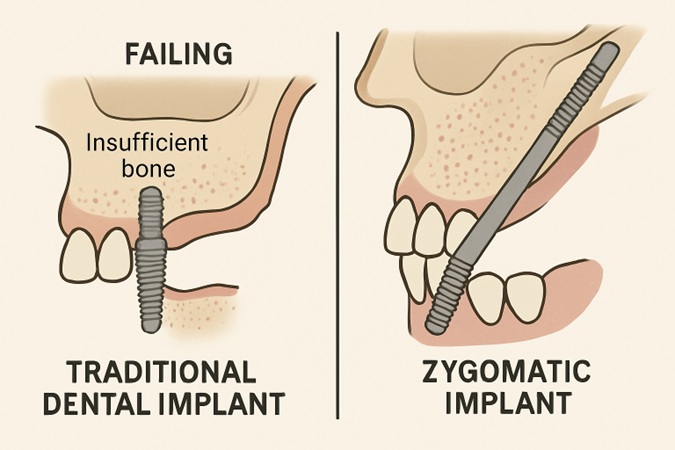
For individuals experiencing severe bone loss in the upper jaw, conventional dental implants may no longer be an option due to the insufficient bone required to secure them. Zygomatic dental implants provide a groundbreaking solution by anchoring implants into the dense zygomatic (cheek) bone rather than the compromised upper jawbone. This innovative approach fundamentally changes what is possible for patients who would otherwise have no option for fixed teeth replacement. By extending the reach of implants into the cheek area, skilled surgeons can secure dental prosthetics for patients with even the most severe cases of bone loss in the maxilla.
Patients who were once told they were not candidates for dental implants can often benefit from this technique, which offers renewed hope for restoring function and appearance. In addition to the obvious cosmetic and functional improvements, patients also report an increased quality of life following the successful stabilization of implant-supported teeth. For many, the personal and psychological relief of regaining a strong, dependable bite and a full, natural-looking smile cannot be overstated. By avoiding bone grafting—an invasive and time-consuming process—zygomatic implants streamline the path to a complete, healthy smile while typically reducing surgical interventions, pain, and cost.
Advantages Over Traditional Implants
One of the primary advantages of zygomatic implants is their ability to bypass the deficient bone in the upper jaw altogether. Traditional implants are reliant on the presence of substantial bone density for successful osseointegration, which can make them unsuitable for those with advanced bone loss after years of missing teeth or periodontal disease. Zygomatic implants, however, derive stability from the thick zygomatic bone, removing the need for extensive, multi-stage bone graft surgeries and significantly reducing the total treatment timeline.
The elimination of bone grafting not only simplifies the procedure but also reduces both costs and patient discomfort. Bone grafts can require several months for healing and incorporation into the existing jaw, which delays the final delivery of teeth and extends the patient’s period without fixed dentition. In contrast, zygomatic implants often enable an accelerated process, sometimes allowing for the immediate loading of a fixed prosthesis so that patients can leave the dental office with a new smile on the very same day.
When selecting the right implant solution, it is crucial to comprehend the science and long-term outcomes associated with innovative techniques. For a deeper exploration into advanced dental implants and their impact on maxillary rehabilitation, reputable resources like Mayo Clinic’s guide on dental implant surgery provide valuable insights and foundational knowledge for anyone considering dental reconstruction.
Clinical Success & Patient Outcomes
Several recent studies have demonstrated the robust clinical success of zygomatic implants. For example, a three-year prospective clinical study found a 100% survival rate for both the implants and attached prosthetics, alongside notable improvements in sinus condition and soft tissue health. Other publications report similar success over extended follow-up periods, reinforcing the reliability of these advanced solutions. These findings are consistent across multiple centers, highlighting the predictability and safety of zygomatic implant protocols for patients experiencing severe maxillary atrophy.
Long-term satisfaction rates remain high, as patients regain the ability to eat, speak, and smile with confidence. For individuals who have previously relied on ill-fitting dentures, the change can be dramatic, as zygomatic implants provide a stable, permanent alternative that resembles natural teeth in both appearance and function. The improvements in quality of life reported by recipients of zygomatic implants reinforce their value as a transformative option in complex cases of tooth loss, helping people maintain a diverse diet, communicate clearly, and engage in social situations with renewed self-esteem.
Innovations In Implant Technology
The evolution of digital dentistry has fueled remarkable advancements in the precision and outcomes of zygomatic implant procedures. Technologies such as 3D imaging and computer-guided surgery have enabled the virtual planning of implant placements, thereby reducing surgical risks and improving prosthesis alignment. Cone-beam computed tomography (CBCT) scans and surgical planning software grant clinicians a highly detailed understanding of the patient’s unique bone structure, ensuring optimal angulation and positioning of every implant. These advancements not only maximize esthetic outcomes but also contribute to the long-term durability of the restorations by promoting correct load distribution and minimizing postoperative complications.
A notable case report described the seamless integration of a complete digital workflow in full-mouth rehabilitation with zygomatic dental implants, with patients expressing pronounced satisfaction after a three-year follow-up. This technological leap also encourages a patient-centered process, as digital previews can help patients visualize anticipated results before treatment begins. In the hands of an expert team, digital tools continue to redefine possibilities for individuals facing even the most complex oral health challenges.
Considerations & Potential Complications
While the benefits of zygomatic implants are substantial, the technique does pose unique challenges. Placement of the implants requires specialized surgical skill, particularly given the proximity to critical anatomical structures such as the sinus cavity and orbit. Zygomatic implants are longer than standard ones and are inserted at different angles, which adds to the complexity of the procedure. Some complications—such as sinusitis, infection, or, in rare cases, nerve impairment—may arise; however, experienced clinicians can minimize their occurrence. Success relies on meticulous surgical planning, comprehensive anatomical evaluation, and the expertise of the implantologist. Careful surgical planning, informed patient selection, and diligent postoperative care are essential for optimizing outcomes and reducing risks.
Patient Eligibility & Consultation
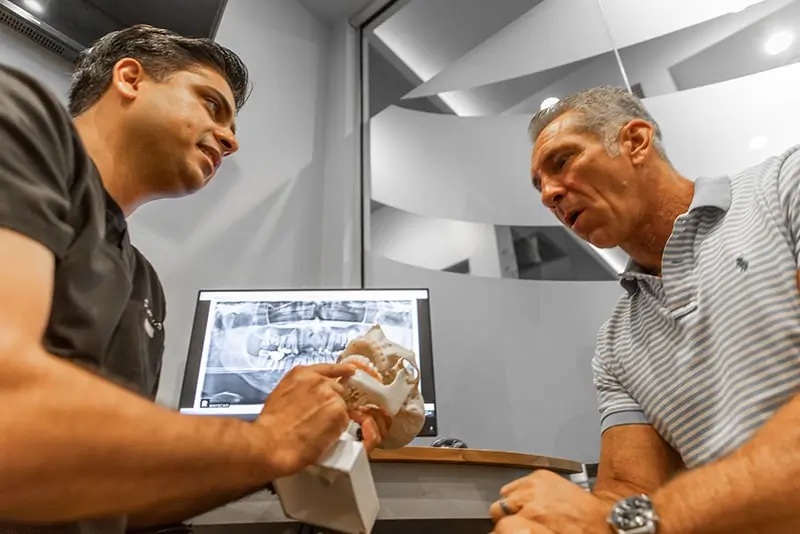
Not every candidate with bone loss is automatically suitable for zygomatic implants. A comprehensive assessment, including clinical examination and advanced imaging, is necessary to determine eligibility. Factors like medical history, residual bone anatomy, sinus health, and overall oral health will influence the treatment approach. Doctors will evaluate risk factors such as smoking, systemic diseases, and medications that may impair bone healing. A qualified implant specialist will work closely with patients, explaining all procedural steps and ensuring expectations are aligned with likely results.
For those considering options to remedy severe upper jaw bone loss, a consultation with an experienced provider is the essential first step. An individualized plan can be crafted, taking into account specific needs, preferences, and medical considerations, so patients can feel confident moving forward. Open communication and proper education allow patients to make informed choices that align with their goals for both health and aesthetics.
Conclusion
Zygomatic dental implants represent a major advancement for patients with previously untreatable upper jaw bone deficiencies. By leveraging the strength of the cheekbone and utilizing modern surgical techniques, these implants eliminate the need for cumbersome bone grafts, opening doors to renewed confidence and restored oral function. Their proven success rates, supported by professional research and patient testimonials, position them as a leading solution for the most challenging dental restoration cases. Anyone struggling with the frustration and limitations of severe upper jawbone loss should consider a consultation to learn whether zygomatic implants could finally provide the secure and beautiful smile they deserve.