
In today’s fast-evolving digital marketplace, building a robust online presence goes beyond aesthetics—functionality and credibility are key to attracting and retaining customers. Companies that invest in Professional Website Development are better positioned to meet user expectations, drive engagement, and foster long-term business growth. Modern consumers make split-second judgments about brands, often based on their digital experiences, so your business website must make a strong first impression and deliver value at every turn.
A truly effective website combines beautiful design with strategic features that facilitate smooth navigation, compelling storytelling, and a sense of trust. Every detail — from layout and content to security and analytics — plays a role in shaping the user experience, directly influencing your reputation and conversion rates.
Addressing these essential elements not only streamlines your visitor’s journey but also demonstrates professionalism and accountability. Strategic website enhancements can boost your search engine ranking and build credibility with both new and returning customers. Investing in robust website features is more than just a smart move—it’s a necessity for sustainable growth.
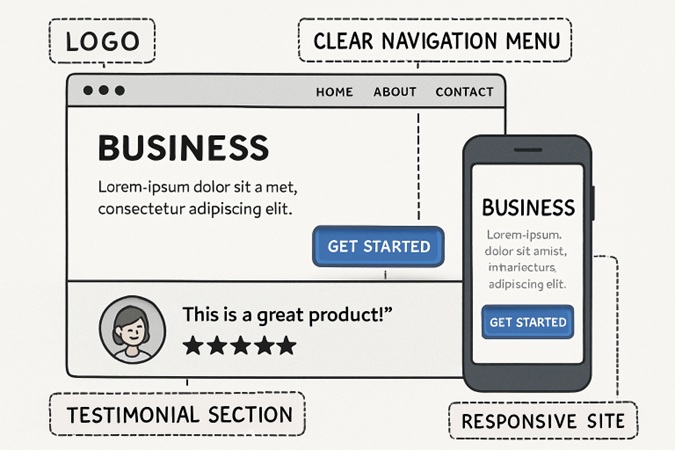
1. Clear Brand Identity
Your website should immediately communicate your brand’s personality and value proposition. Consistency in logos, typographic choices, and color palette is not just visually appealing—it helps users remember your brand. Build a better website by aligning every visual and functional element with your brand identity. Effective branding makes you stand out from competitors and assures visitors that they’re dealing with a credible and professional organization.
2. User-Friendly Navigation
Easy navigation is at the core of user satisfaction. Visitors should be able to explore content intuitively without feeling lost. Menus should use clear categories and remain accessible on all devices. Logical site architecture helps both users and search engines understand your website structure, improving usability and boosting your SEO performance.
3. Mobile-Responsive Design
The majority of web traffic now comes from smartphones and tablets, making a mobile-friendly design non-negotiable. Responsive websites automatically adjust layouts, fonts, and graphics to deliver a seamless experience across all devices. Websites that neglect mobile users risk losing customers and falling behind competitors in search rankings.
4. Compelling Content
Quality content educates, entertains, and persuades. Well-written copy, informative blogs, and engaging media build authority within your industry and keep visitors coming back. Continually updating your website with fresh, relevant content also supports search engine optimization (SEO), helping your business get discovered by more potential customers.
5. Strong Calls-To-Action (CTAs)
Encourage users to take action by providing clear, relevant CTAs throughout your site. Whether the goal is to receive inquiries, increase newsletter sign-ups, or drive purchases, well-crafted CTAs guide users through their journey and boost conversion rates. For a deeper understanding of what a call to action is and how it functions in digital marketing, see this Investopedia explanation of CTAs. Each CTA should use action-oriented language and be strategically placed to ensure visibility, so users know exactly what step to take next.
Consistently testing and refining your CTAs can help identify which messages resonate most with your audience. Over time, this leads to higher engagement and improved overall site performance.
6. Accessible Contact Information
Trustworthy businesses make it easy to get in touch. Include multiple ways for users to reach you, such as phone, email, live chat, and a contact form. Prominent placement of contact details increases your credibility and reassures visitors that genuine support is available when needed.
7. Customer Testimonials & Reviews
Social proof is one of the most effective trust signals online. Highlight customer testimonials, case studies, or genuine reviews to show that past clients are satisfied with your offerings. Featuring authentic success stories increases confidence in your products or services and helps move prospects closer to making a purchase.
8. Comprehensive FAQ Section
Preemptively addressing common questions demonstrates thorough customer care. An organized FAQ section saves time for both users and your support team, resolving objections and clarifying processes quickly. Regularly updating the FAQ page can also improve the overall efficiency of your sales funnel.
9. Robust Security Features
Secure websites protect both your business and your visitors. Activate HTTPS across all pages, keep software up to date, and use strong passwords and firewalls to guard against cyber threats. Modern users are aware of online risks and are less likely to engage with sites they perceive as unsafe.
10. Analytics & Reporting Tools
Implementing analytics is fundamental to ongoing improvement. Tools like Google Analytics provide actionable insights into visitor demographics, behaviors, traffic sources, and conversion rates. With this data, you can make evidence-based decisions and continually refine your online presence for maximum effectiveness.
Bringing together these ten elements ensures your business website is more than just an online brochure—it’s a dynamic tool to attract, engage, and convert visitors. In the ever-evolving digital landscape, integrating these foundational features is essential for long-term success and sustainable growth.