
Key Takeaways:
- Continuous learning is essential for career advancement and adaptability in today’s dynamic job market.
- Technological advancements, particularly in AI, are revolutionizing personalized learning experiences.
- Employers and educational institutions are collaborating to bridge the gap between academic knowledge and practical skills.
Introduction
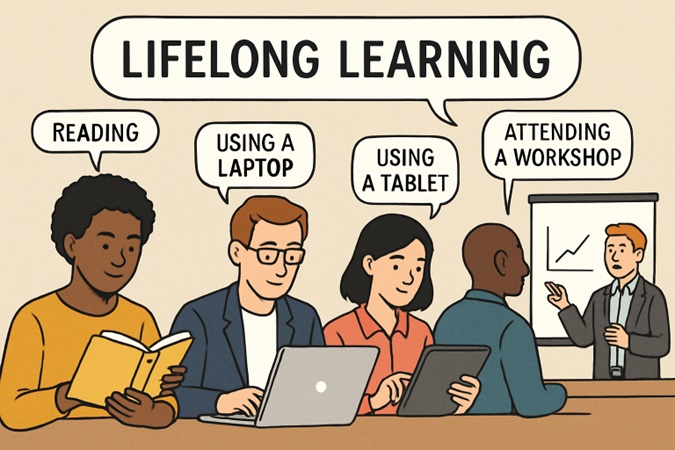
The need for continuous skill development is reshaping how people approach their careers and professional growth. As industries evolve and adopt new technologies, professionals must keep pace by gaining new competencies and expanding their knowledge bases. This persistent transformation is driving a shift in attitudes toward education and prompting more people to seek out lifelong learning opportunities, such as the innovative programs offered through MSU Innovative Learning. Today’s job market rewards adaptability and the willingness to learn, with organizations actively seeking workers who can respond dynamically to changing demands. The process of learning no longer ends with a degree; instead, it extends throughout one’s career, ensuring both personal fulfillment and professional relevance in a fast-changing environment.
With new educational formats and flexible course options now widely available, individuals at all career stages can access learning opportunities tailored to their specific needs and schedules. The shift toward lifelong learning is both a personal and economic imperative, fueling individual advancement and helping employers build more resilient, future-ready workforces.
Governments and organizations are recognizing the value of retraining and upskilling workers to ensure ongoing economic growth and workforce resilience.
The Rise Of Continuous Learning
The concept of education as a one-time event is becoming obsolete. A growing portion of the workforce actively seeks out learning experiences long after formal schooling ends. Industry data shows that over 30% of employees now prioritize career growth and upskilling over monetary gains, highlighting the value placed on staying relevant in a shifting economy. Structured on-the-job training, certificate programs, and professional workshops are all becoming increasingly popular avenues for skill enhancement.
This ongoing learning culture benefits both employees and organizations. By pursuing professional development, workers feel more empowered and engaged, while employers enjoy increased retention rates and a more capable talent pool. According to a Forbes report, 41% of employees say they have no time to learn, underscoring the critical role of lifelong learning in the workforce.
Technological Advancements In Learning
The integration of advanced technologies, particularly artificial intelligence and machine learning, is fundamentally changing the landscape of education. These technologies offer adaptive, personalized learning experiences that adjust in real time to each learner’s strengths, weaknesses, and progress. For example, AI-powered platforms might analyze how a learner interacts with material and dynamically recommend focused exercises to address their specific needs.
Virtual and augmented reality are also creating more immersive educational environments, allowing complex concepts to be visualized and explored interactively. Moreover, online learning management systems make education accessible from anywhere, widening the pool of learners who can participate in and benefit from lifelong education programs.
Collaboration Between Education & Industry
Stronger partnerships between universities and the private sector help ensure curricula are current and directly relevant to real-world skills. These collaborations take many forms, from internship and apprenticeship opportunities to co-designed degree programs that integrate hands-on projects reflecting actual industry challenges. Academic institutions and employers alike recognize that bridging the gap between theory and practice prepares graduates to be workforce-ready from day one.
Such collaborative approaches not only enrich learners’ experiences but also empower organizations to address talent shortages and cultivate future leaders. For educators, continuous dialogue with industry helps anticipate skill gaps and adapt curricula accordingly, as Forbes highlights.
Personalized Learning Pathways
Generic education models are rapidly being replaced by personalized learning journeys powered by data analytics and AI. These new systems assess each individual’s goals, learning preferences, and career ambitions to craft an optimal sequence of courses, experiences, and micro-credentials. Learners benefit from content and pacing that match their unique style, which increases motivation and improves long-term retention.
Personalized pathways also provide targeted feedback and adaptive assessments, ensuring mastery of each skill before progressing. This granular approach enables faster upskilling and greater alignment with both employee aspirations and employer needs.
Microlearning & Flexible Education
Microlearning has surged in popularity as professionals seek ways to quickly acquire new capabilities without disrupting their busy schedules. Designed around short, focused modules—often accessible via mobile devices—microlearning promotes rapid skill development and just-in-time knowledge transfer. These resources easily fit into daily routines, allowing employees to refresh competencies on the go or in response to emerging job responsibilities.
In addition, flexible education options such as online degrees, modular courses, and stackable certificates make it easy for learners to tailor their educational journey to specific needs. This flexibility ensures lifelong learning is never out of reach, regardless of schedule or location.
Challenges & Barriers To Lifelong Learning
Despite the benefits, several challenges can hinder lifelong learning efforts. Time constraints remain a leading concern, as balancing educational endeavors with work, family, and other obligations is not always easy. Cost is another barrier, particularly for individuals faced with steep tuition or training fees. There are also disparities in access to quality resources, from digital infrastructure in remote areas to adequate support for learners who may struggle academically.
Overcoming these obstacles demands collective action from educators, employers, and policymakers. Solutions include expanding access to affordable learning options, investing in digital infrastructure, and incentivizing employee participation through benefits or tuition assistance programs. These supportive measures are vital for building equitable, lifelong learning cultures.
Conclusion
Lifelong learning is an indispensable asset for any professional seeking to thrive in a constantly changing workforce. Embracing perpetual upskilling, leveraging technology, and forming robust collaborations between academia and industry are pivotal to individual success and organizational growth. Organizations and individuals who prioritize continuous learning will find themselves better prepared to navigate the complexities of tomorrow’s job market while contributing to a more dynamic, innovative economy.