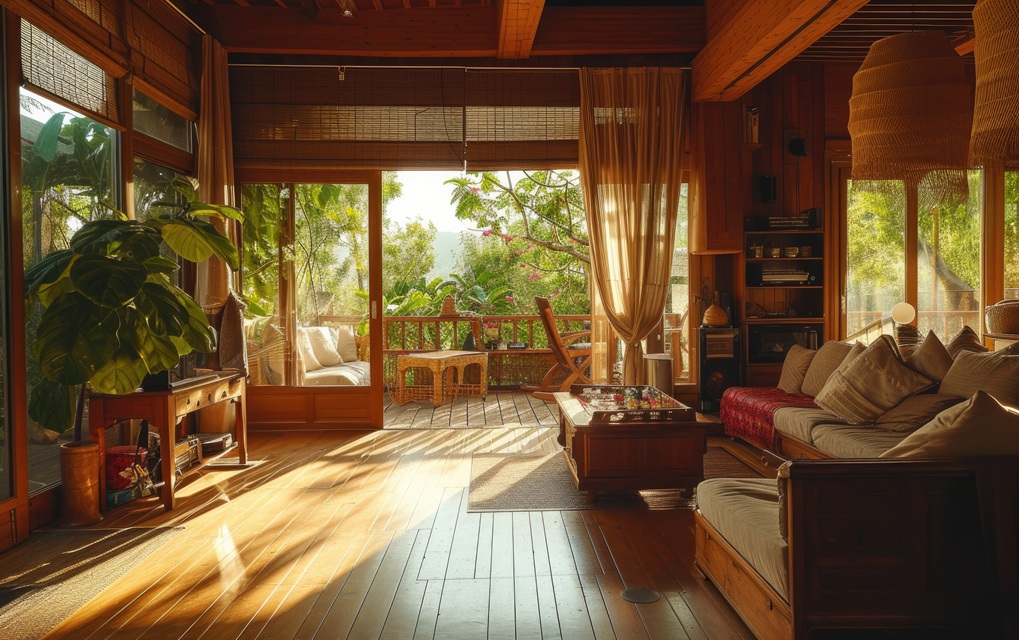
Light from outside changes how rooms feel, not just how they look. Open spaces seem larger when sunshine fills them. Colors appear truer under daylight instead of flat or dull. People often feel better emotionally when sunlight reaches where they live or work. Poor building designs can keep that light out even during bright days. Simply installing larger windows rarely fully resolves the issue. Choices about walls, floors, and furniture placement matter just as much. Sunlight used well cuts down electric bills quietly over time. Rooms touched by steady daylight carry a sense of calm energy few artificial sources match.
Top 6 Ways You Can Increase Natural Light In Your House
-
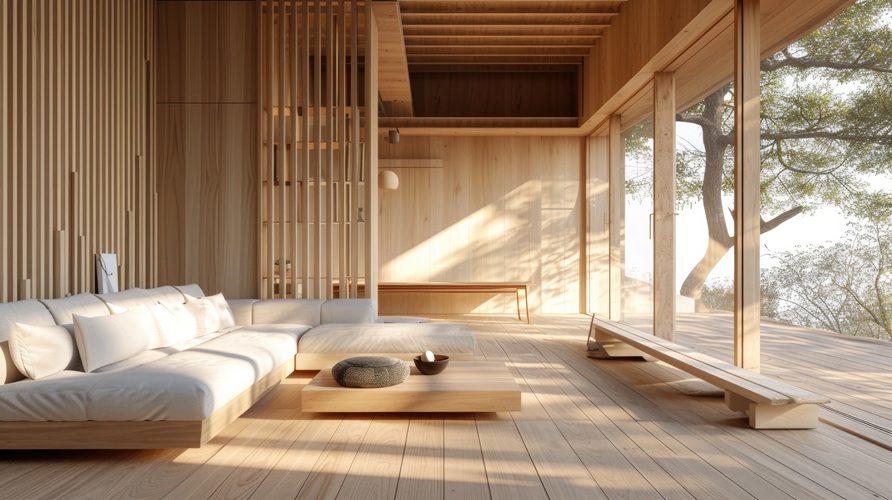
Strategically Place Furniture For Light Flow
Bright spots tend to reside near windows, glass doors, or skylights. Sunlight reaches farthest when open space stays clear right up front. A favorite chair for reading fits well there, just like a table for meals or work. Furniture that stands too high blocks rays from traveling deeper into the room. Heavy curtains do the same, casting shadows where light should move freely. Professional Seattle rental property management services understand how strategic furniture placement and natural light optimization can significantly enhance property appeal and tenant satisfaction while reducing vacancy periods and maximizing rental income.
Did you know?
The rental prices in Seattle, WA, are 109% higher than the national average, showing average rents around $2,080 – $2,110 for all units, $1,530 for studios, $2,100 for one-bedrooms, and over $2,800 for two-bedrooms.
-
Choose Light Reflective Color Palettes
Start with soft whites or gentle creams; they send sunlight traveling farther across the floor. You can keep wall paint, rugs, and couch covers light on purpose to add even more glow and light to the room. These choices will help you spread light back into the room. Rooms painted dark tend to pull light inward, shrinking the space in your eyes. Swap in glossy trims or matte walls that bounce rather than soak. One coat change might be enough to make shadows retreat.
-
Embrace Open Floor Plans
Start by opening up spaces so light moves freely. Walls that block views also trap shadows in corners. Try swapping heavy dividers for clear glass panels; sunshine slips through those easily. Picture daylight from an eastern window reaching all the way into rooms far from windows. Knocking down extra walls if they are not load-bearing helps brightness flow like water across floors. Even hallways tucked in the middle get touched when paths stay unobstructed.
Did you know?
House prices in Oakland, CA, have a median listing price of around $679K and a median sale price near $700K, reflecting high demand in the Bay Area.
-
Diffuse Harsh Light For Comfort
Light straight from the sun often feels sharp or creates glare. From time to time, that intensity works against comfort. Sheer curtains, frosted surfaces, or tiny hole patterns help break it up. Instead of strong beams, you get a quiet glow moving through space. Brightness stays, yet it spreads. Privacy comes along quietly; no need to close everything off.
-
Incorporate Mirrors & Reflective Surfaces
Start by placing big mirrors across from windows. That way, they catch outside views and pull daylight deeper inside. Shiny cabinet surfaces help too. So do smooth stone counters. Even small metal details can grab light. These materials toss brightness around. Dark spots get touched by reflected glow. Sunbeams spread further when surfaces send them along. Reflection works quietly but covers ground. Experienced professionals of property management in Oakland, California, suggest that homes with optimized natural lighting through mirrors and reflective surfaces command higher rental rates and attract quality tenants who appreciate thoughtfully designed living spaces.
-
Utilize Vertical Space & High Openings
Up above, the light slips in through slanted openings. Tall panes up near the roof pull in brightness that others miss. Think of glass set high on walls catching the sun before it passes by. Instead of blocking views, frames stretch upward, guiding sight along the rising edge. Lines go skyward, making rooms seem taller than they really are. The air feels looser when eyes travel up instead of hitting a flat stop.
Final Thoughts
Windows placed just right let sunlight spill deep inside. Light walls bounce rays around instead of soaking them up. Open layouts help brightness travel where it is needed. Most sheer fabrics soften harsh beams without completely blocking them. Mirrors catch stray glimmers and send them dancing across rooms. Sunlit areas feel steady and calm, not sharp or forced like electric fixtures. Morning glow on floors makes even small spots seem generous. Warmth builds slowly when daylight fills corners left forgotten. Spaces shaped with the sun in mind stay inviting hour after hour. Attention to how light moves changes how we move through space.