Key Takeaways:
- Understanding New Orleans’ unique climate is essential for effective tree care.
- Seasonal weather variations dictate specific tree maintenance practices.
- Professional services can help navigate the challenges posed by local weather patterns.
New Orleans is renowned for its lush landscapes dotted with iconic Southern live oaks, stately cypresses, and elegant magnolias. Still, its distinctive subtropical climate poses unique challenges for the city’s trees year-round. For homeowners and property managers, adapting to these weather patterns is key to ensuring healthy, resilient trees that enhance both the urban environment and individual properties.
These climate-driven factors underscore the importance of a reliable partner for local tree maintenance. Experienced tree service in New Orleans, LA, such as A Perfect Cut Tree Service, stand out as authorities on regional tree care. With decades of expertise, this New Orleans-based company specializes in everything from hazard mitigation to custom pruning solutions.
Understanding the unique weather cycles in New Orleans is crucial for proper tree maintenance. Each season brings its own demands—from careful winter pruning to hurricane preparedness in the fall—and responding appropriately can make the difference between thriving trees and costly storm damage.
Winter: The Prime Time For Pruning
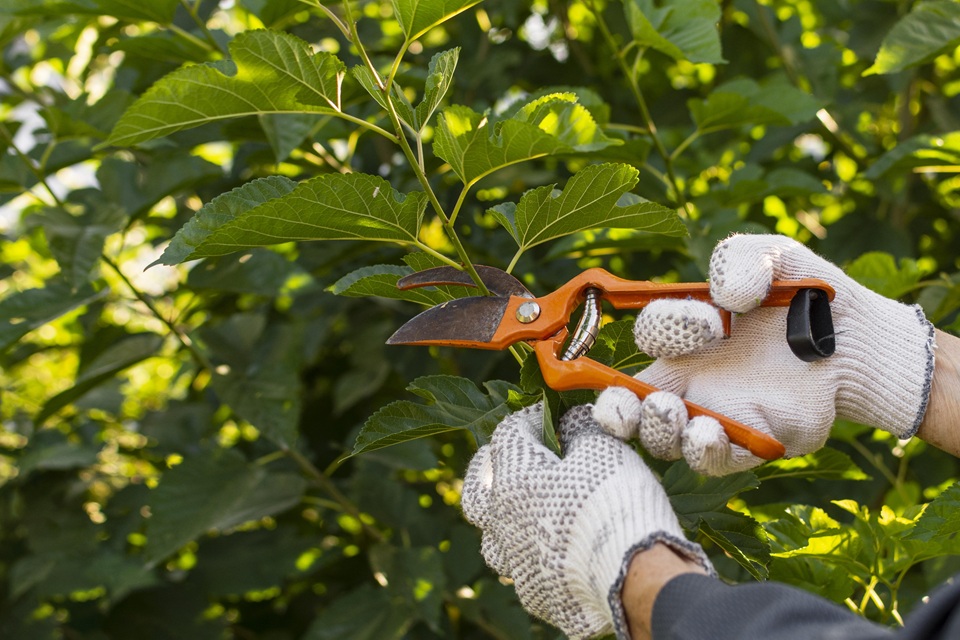
Winter offers an ideal window for tree pruning in New Orleans. During the cooler months, trees enter dormancy and cease active growth, allowing property owners and professionals to remove dead, damaged, or diseased limbs with minimal stress. Dormancy also makes pruning safer and more effective: with leaves gone, the tree’s structure is more visible, enabling targeted cuts that shape healthy, attractive canopies.
Winter pruning reduces the risk of disease and pest spread, as these organisms are less active in colder temperatures. Ensuring your trees are well-pruned during winter can boost growth and vitality come spring, preventing problems before the warm season begins. Homeowners should also clear debris around tree bases to reduce winter fungal growth.
Spring: Encouraging New Growth
As spring unfolds, New Orleans’ trees shift from dormancy to vigorous growth. This is a critical time to inspect trees for winter damage and remove any lingering dead branches. While major pruning should generally wait until winter, light maintenance during spring helps direct the tree’s energy into healthy new shoots and blossoms.
Mulching and fertilization in spring bolster root growth, helping trees withstand summer heat and humidity. Applying a slow-release fertilizer early in the season ensures sustained nutrition. Additionally, consider monitoring young trees for signs of insect activity, which typically intensifies in warmer weather.
Summer: Monitoring For Heat Stress
New Orleans summers bring intense heat and high humidity, conditions that can leave even mature trees vulnerable. Signs of heat stress include wilting leaves, premature leaf drop, or browning at the edges. Immediate steps, such as deep watering and mulching, help retain soil moisture and reduce stress.
Avoid heavy pruning in peak summer months, as removing foliage can compromise the tree’s ability to conserve water. Instead, focus on targeted maintenance, such as removing dead or diseased branches, and ensure irrigation systems function efficiently to prevent drought-related damage.
Fall: Preparing For Hurricane Season
Fall in New Orleans brings hurricane risk, and trees are especially exposed. Strong winds can send weak or overextended branches crashing onto homes, vehicles, or power lines. Proactive inspections and timely removal of structurally unsound limbs are essential, as is thinning canopies to reduce wind resistance.
Homeowners should consult with professional arborists before hurricane season to identify hazards and implement preventive measures. Properly maintaining tree structure reduces the risk of property damage and helps trees survive severe storms.
Addressing Environmental Challenges
Beyond seasonal change, New Orleans’ trees contend with invasive pests, disease outbreaks, and the lingering effects of past hurricanes. Community-led tree planting initiatives continue to restore the city’s canopy, ensuring its iconic greenery remains for future generations. Active tree maintenance and engagement with local arborists are key to sustaining urban forestry.
Professional Tree Care Services
Managing the demands of tree care in a subtropical climate isn’t always a DIY task. Trained arborists bring experience and specialized equipment to safely prune, remove, and diagnose trees, protecting both your landscape and property. Whether storm season is approaching or you’re noticing declining tree health, expert guidance ensures tailored care routines that align with New Orleans’ distinctive environment.
Frequently Asked Questions
When is the best time to prune trees in New Orleans?
Winter is optimal, as trees are dormant and insect and disease activity is minimal. Dormancy allows arborists to make precise cuts that encourage healthy growth in spring.
How can I protect my trees during hurricane season?
Regular professional inspections, removal of weak limbs, and thinning crowded canopies reduce wind damage. Strengthening tree structure ahead of storms is crucial.
What are the signs of heat stress in trees?
Look for wilting leaves, drooping branches, premature leaf drop, and scorched leaf edges, particularly during the hottest months.
How can I support new growth in spring?
Light pruning, mulching, and slow-release fertilization help channel energy into new shoots and strengthen roots, preparing trees for summer heat.
Conclusion
Adapting tree care routines to New Orleans’ subtropical climate safeguards both your property and the city’s iconic urban canopy. By following seasonal best practices and partnering with experienced arborists like A Perfect Cut Tree Service, homeowners ensure that their trees remain healthy, resilient, and beautiful year-round. Proactive maintenance not only enhances tree vitality but also strengthens community green spaces, contributing to a safer and greener New Orleans for generations to come.