Introduction
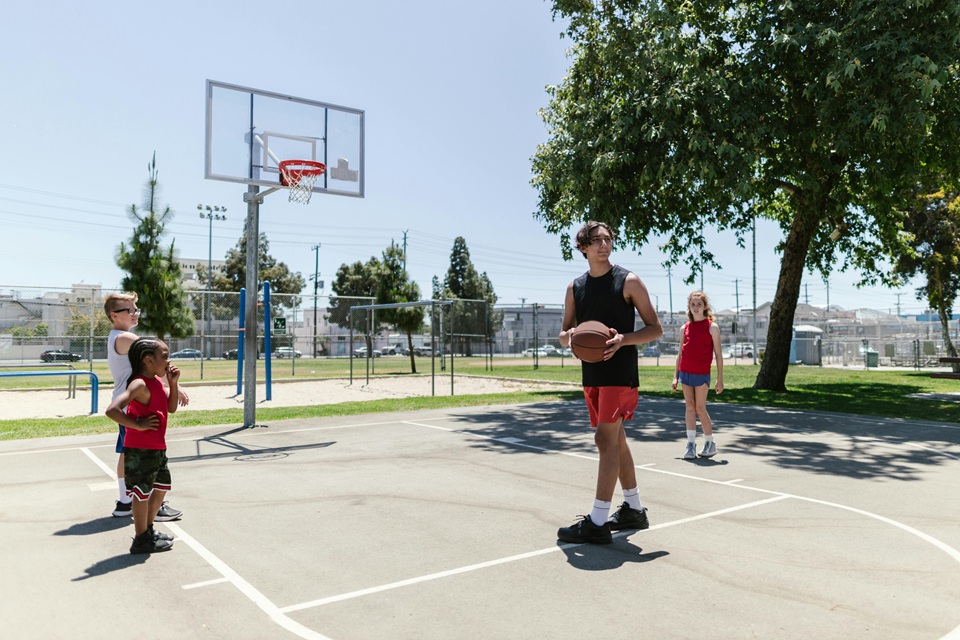
Youth basketball offers far more than just a chance for children to exercise and engage in friendly competition. At its core, it serves as an important platform for developing essential life skills in young people, particularly teamwork and discipline. Many parents and coaches recognize these benefits, but the depth and breadth of youth basketball’s impact are often most profound both on and off the court. Whether it is learning to support teammates through challenging moments or managing personal responsibilities, the lasting effects of basketball reach into academics, personal relationships, and even future workplaces. Programs like CYBN are dedicated to providing structured, supportive environments where young players can truly thrive, growing into well-rounded individuals and committed athletes.
Through ongoing and consistent involvement in the game, youth basketball shapes children’s character in transformative ways and prepares them for the variety of challenges they will face as adults. While kids are busy developing athletic skills, they are also exposed to vital concepts like teamwork, structure, and the pursuit of shared goals. These experiences are invaluable, providing them with practical tools and mindsets they can carry with them for lifelong success. The structure and repetition found in basketball translate into positive habits that benefit them both academically and socially, laying a strong foundation for a productive future.
Fostering Effective Communication
Basketball is a fast-paced, dynamic sport that relies on clear, rapid communication among every member of the team. With every play, whether on offense or defense, players must constantly interact, shouting out screens, calling for passes, or signaling shifts in defensive strategy. This frequency of communication doesn’t just improve game performance; it systematically strengthens both verbal and non-verbal communication skills. For children, learning to express themselves confidently, even under pressure, is invaluable. The ability to communicate effectively on the court naturally translates to better performance in group projects at school, successful collaboration in community activities, and more productive workplace interactions later in life. According to research by Psychology Today, strong communication skills are among the most critical life skills, fostering not only achievement in collaborative environments but also significant personal growth.
Moreover, basketball teaches players to listen actively and interpret their teammates’ cues. The immediate feedback received in a game, whether a pass is made or missed, or a play unfolds as intended, helps young athletes adjust their communication styles to be more effective. This ongoing learning process lays the groundwork for strong interpersonal skills that benefit them in every aspect of life, reinforcing the importance of clarity, respect, and responsiveness in any group setting.
Building Trust & Mutual Respect
Team sports like basketball require each participant to trust that their teammates will fulfill their roles. In basketball, every missed screen or poorly executed pass can change the course of a game, highlighting the importance of reliability. Young athletes quickly discover that success hinges on every team member doing their part, and that means trusting others as much as oneself. As they work together toward common objectives, children and teens develop a powerful sense of mutual respect that goes beyond the game. They learn to value the different playing styles, perspectives, and strengths each teammate brings to the table.
Coaches and mentors are instrumental in fostering this environment. They set the tone for respectful interactions through guidance, positive reinforcement, and modeling appropriate behavior. While coaches provide the framework, it’s through daily practices and competitive games that trust and respect become ingrained. This deep sense of camaraderie not only builds team unity but also teaches young players the value of supporting others, remaining dependable, and putting collective goals ahead of individual ambitions, qualities that will serve them well throughout life.
Developing Leadership Qualities
As children progress through a basketball program, they are often placed in positions that require leadership. This could take the form of being named team captain, offering encouragement to struggling teammates, or simply leading by example in practice. Regardless of the specific job, these opportunities require children to step up, take responsibility for group outcomes, and model positive attitudes. Through experiences like making decisions under pressure or offering guidance to newcomers, young players are challenged to tap into qualities like empathy, integrity, and resilience.
These leadership lessons pay off far beyond the basketball court. By developing the confidence to motivate peers and the maturity to handle setbacks, children are better equipped for leadership opportunities in school, the workplace, or within their communities. The skills they learn, such as clear communication, emotional intelligence, and situational awareness, help shape them into individuals prepared to make positive contributions in any setting.
Enhancing Problem-Solving Skills
Basketball is often unpredictable and forces players to adapt quickly to changing situations. Formidable defenses, new tactical strategies, or unexpected mistakes challenge teams. In these high-pressure moments, athletes must work together to assess the situation, make decisions, and implement solutions, sometimes in mere seconds. This process helps children develop critical thinking skills and teaches them to trust their judgment while valuing input from others.
Just as in real life, these problem-solving skills learned on the court provide a valuable blueprint for tackling challenging situations elsewhere. Whether adapting to a new school environment, resolving peer disagreements, or contributing to group projects, the ability to thoughtfully approach challenges is a distinct advantage. Articles from The New York Times highlight that collective problem-solving is crucial not just for personal growth but also for virtually every professional arena.
Promoting Inclusivity & Diversity
Youth basketball naturally brings together children from different backgrounds, cultures, and abilities, creating an environment where inclusivity is not just encouraged but required for success. Sharing the court with teammates who have unique life experiences fosters empathy, openness, and a deep appreciation for diversity. Athletes quickly learn that differences are strengths and that bringing various perspectives together can lead to more creative and effective teamwork.
The exposure to such variety also helps children break down preconceived notions and form friendships that might not have developed in more homogeneous groups. By celebrating differences and finding common ground, young players are prepared for diverse workplaces and communities. Understanding the value of inclusion is crucial in today’s interconnected world, where success often depends on working collaboratively with people from all walks of life.
Instilling Discipline & Time Management
Basketball’s structured routines demand a high level of commitment, which in turn nurtures discipline in young athletes. Regular practices, games, team meetings, and tournaments require participants to learn how to prioritize effectively and organize their schedules. Balancing academic responsibilities with family time and athletics means children must plan and develop reliable routines to meet all their obligations.
In addition to organizational skills, basketball instills the values of perseverance and follow-through. Setting personal and team goals, such as mastering a new skill or reaching a playoff, teaches young players that progress comes from steady practice and consistent effort. These habits quickly carry over into other arenas, helping students study more efficiently, remain dedicated to extracurriculars, and contribute meaningfully to their communities. The ability to manage time and sustain discipline is universally valuable and supports lifelong achievements.
Conclusion
Youth basketball is far more than a recreational sport. It provides a transformative environment where children and teens can develop teamwork and discipline, qualities that help shape their futures in significant ways. By emphasizing effective communication, trust, leadership, creative problem-solving, inclusivity, and self-discipline, youth basketball gives young players the confidence and competencies they need to thrive now and for years to come. The skills acquired and friendships formed on the court remain with them, enhancing their success both within and beyond the sporting world.