
When choosing a vehicle storage solution for your car, boat, or RV, it’s important to weigh accessibility, protection, and cost. Statistics show that demand for vehicle storage has been on the rise, with occupancy rates reaching 90% in some regions. This trend underscores the need for owners to carefully select a safeguarded space that ensures the well-being of their treasured assets.
Fortunately, a range of secure storage options is available to meet these varied needs, from basic outdoor parking to upscale climate-controlled units. In this article, we’ll explore the merits of different storage solutions, prepare your vehicle for storage, and provide tips for choosing the right one for your situation.
Exploring Indoor Vs Outdoor Vehicle Storage Solutions
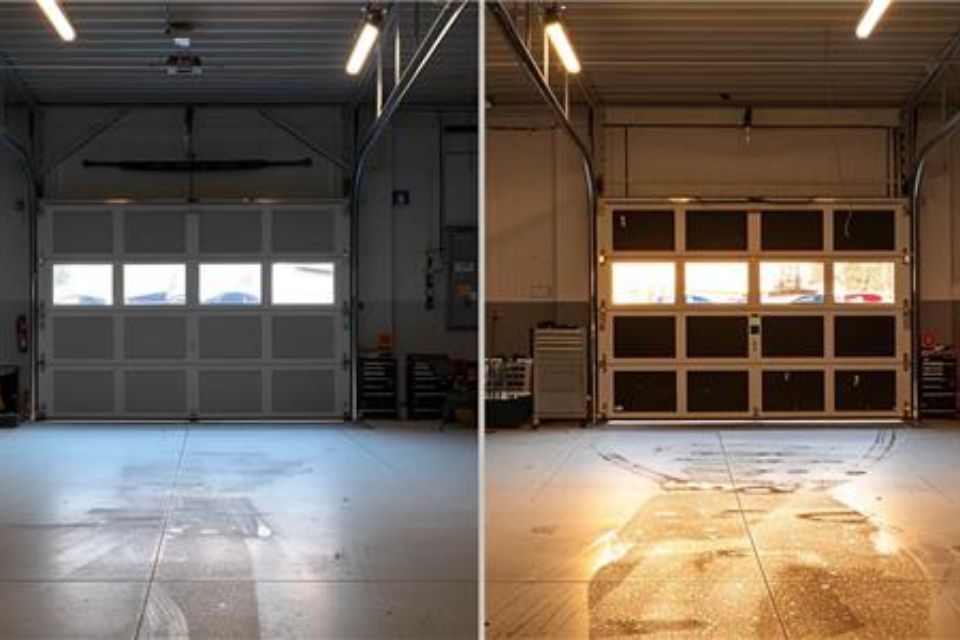
Deciding between indoor and outdoor vehicle storage often comes down to the level of protection required and budget allowances. Indoor storage provides superior protection from environmental factors and potential vandalism but typically comes at a higher price point. Outdoor options are more affordable and may suffice for short-term or well-built vehicles designed to withstand the elements.
According to industry reports, vehicles stored indoors are significantly less likely to sustain weather-related damage. For example, indoor vehicle storage customers reported approximately 65% fewer incidents of this type of damage. This statistic illustrates the tangible benefits of indoor storage but also highlights the importance of cost-benefit analysis for vehicle owners.
For those considering outdoor storage, it’s advisable to invest in a high-quality cover and select a facility with robust perimeter security. While cheaper, outdoor storage increases exposure risk, so additional precautions are necessary to mitigate the potential for damage.
Essential Security Features For Vehicle Storage Facilities
The security of a storage facility is a top priority for vehicle owners. Facilities with state-of-the-art security systems provide peace of mind, ensuring vehicles are well protected against theft or vandalism. Security features like surveillance cameras, gated access, and on-site personnel are critical considerations.
Recent surveys show that facilities with 24/7 recorded surveillance and controlled gate access have reduced incidents of unauthorised entry by up to 75%. These statistics underscore the effectiveness of modern security measures in safeguarding valuable assets like cars, boats, and RVs.
Potential renters should look for facilities that demonstrate a strong commitment to security and are transparent about their protective measures. This may include asking for a tour to inspect the premises and inquiring about the facility’s incident history to ensure your vehicle is in safe hands.
Preparing Your Car, Boat, Or RV For Long-Term Storage
Proper preparation is essential to preserving your vehicle’s condition during storage. Pre-storage care can prevent unnecessary maintenance issues and extend your vehicle’s lifespan. Key steps include cleaning, fluid maintenance, and protecting the vehicle’s interior and exterior.
Statistics indicate that properly inflated tyres and regular engine startups can decrease the risk of long-term damage by as much as 30%. It’s also crucial to treat fuel systems and consider battery maintainers to keep electrical systems in check during long-term storage.
Owners should create a comprehensive checklist that covers all necessary pre-storage actions. Consulting with a mechanic or storage professional can provide additional guidance, ensuring your vehicle remains in pristine condition until it’s ready to hit the road again.
Selecting The Right Vehicle Storage Option For Different Seasons

Seasonality plays a significant role in storage needs. In regions with extreme winter conditions, indoor heated storage can prevent cold-related damage, while in hotter climates, climate-controlled units protect against heat and humidity.
Industry data indicates that climate-controlled storage can reduce heat- and moisture-related issues by up to 50%. This form of storage is particularly valuable for vintage vehicles and boats, which may have materials more susceptible to temperature fluctuations.
Varying seasonal requirements demand flexibility in storage decisions. Vehicle owners should be proactive in assessing seasonal risks and align their storage choices with their vehicles’ protective needs throughout the year.
Ultimately, the right storage option for your vehicle depends on the balance of cost, protection, and accessibility that best suits your needs and those of your vehicle. Whether opting for an indoor climate-controlled facility or an outdoor space with a durable vehicle cover, taking the necessary precautions to prepare your vehicle for storage will ensure it remains safe and secure. Remember to thoroughly evaluate the facility’s security features and be mindful of seasonal factors when making your decision.