Key Takeaways:
- Rain can leave water behind for mosquitoes and disrupt pests living in soil.
- Heat may push pests toward shade, irrigated landscapes, leaks, and indoor water sources.
- Cooler temperatures can lead rodents and occasional invaders to seek sheltered indoor spaces.
- Removing standing water, sealing openings, and reducing clutter can lower pest pressure.
- Repeated activity in one area is more meaningful than an isolated sighting.
Weatherford homeowners often notice increased insect or wildlife activity after a weather shift, but a sudden sighting does not necessarily indicate a major infestation. Rainfall, prolonged heat, dry spells, and cold snaps can all change where pests look for food, water, and shelter. Understanding these patterns helps residents make better use of routine prevention and recognize when recurring signs may warrant closer attention or pest control services.
Conditions can vary considerably from one property to the next. A shaded lot, a poorly draining low spot, dense landscaping, pet areas, irrigation schedules, and small exterior gaps can each create different opportunities for pests around a Weatherford home.
Why Weather Changes Pest Behavior
Pests need basic resources, including food, moisture, and protected places to rest or reproduce. Weather affects the availability of those resources. A dry period may make a watered lawn or dripping outdoor faucet more attractive, while heavy rain can flood ground-level nests and send insects searching for drier cover.
That is why visible activity can increase without a new colony appearing overnight. Pest movement may reflect a change in the immediate environment, not necessarily a sudden population boom. Homeowners considering practical pest control steps should begin by noting where activity occurs and what changed nearby, such as rain, irrigation, landscaping work, or a temperature swing.
What Happens After Heavy Rain
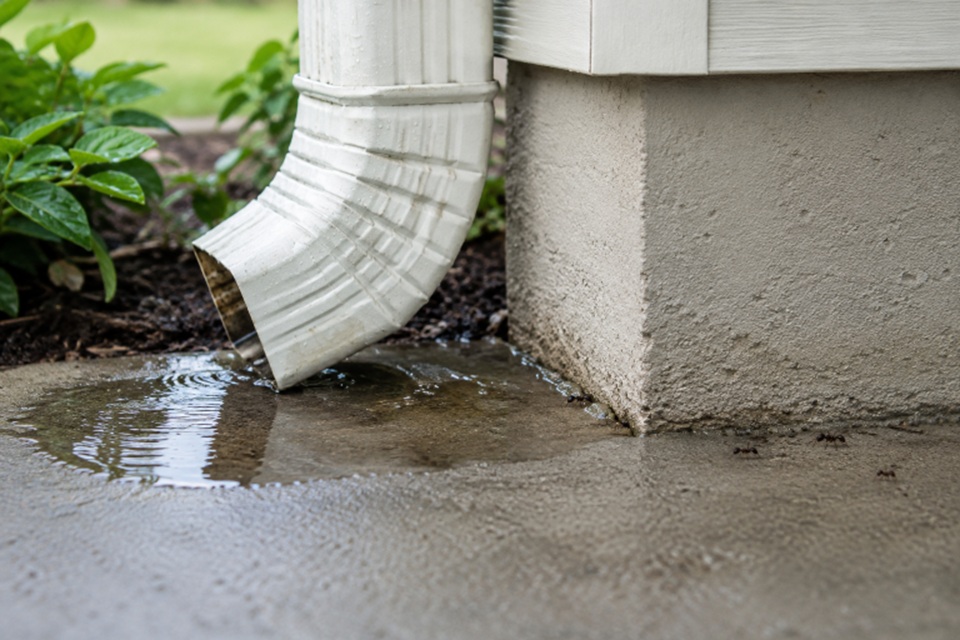
Rain can create temporary mosquito breeding areas in containers and places where water does not drain. Public-health guidance emphasizes reducing standing water because mosquitoes can breed in water held by items such as gutters, buckets, plant trays, and outdoor containers. Reducing mosquito breeding sites is a useful habit after wet weather, even when the property appears generally dry.
Saturated soil can also disturb ants and other ground-dwelling pests, making them more noticeable along sidewalks, patios, foundations, and garage edges. Within a day of a substantial rain, check gutters and downspouts, low spots near the foundation, plant saucers, children’s toys, tarps, leaky spigots, and any container that can hold water.
How Heat & Dry Spells Affect Activity
Hot conditions do not affect every pest in the same way, but they can change when and where insects move. Activity may be easier to notice during cooler morning or evening hours. During extended dry weather, moisture can become especially important, drawing pests toward irrigated beds, shaded mulch, crawl spaces, plumbing areas, and water sources around the structure.
Reduce unnecessary attractants by repairing drips, storing pet food in sealed containers, clearing damp yard debris, and trimming vegetation so it does not rest against exterior walls. These steps also make it easier to inspect the home’s perimeter for gaps and pest pathways.
Why Cooler Weather Can Bring Pests Indoors
When temperatures drop, sheltered spaces can become more appealing to rodents, cockroaches, spiders, and occasional invaders. Garages, attics, sheds, utility rooms, and storage areas may provide cover, stored materials, or access to food and water.
Before the first extended cold spell, inspect door sweeps, window screens, utility openings, foundation cracks, roofline gaps, and attic vents. Replace damaged screens, repair worn seals, and keep cardboard, stored food, and clutter elevated or organized where possible.
Seasonal Pest Patterns In Weatherford
Spring
Warmer conditions and spring rain can coincide with renewed ant, fly, termite, and mosquito activity. Inspect damp exterior areas, clean gutters, and address small openings before they become regular travel routes.
Summer
Mosquitoes, stinging insects, ants, and moisture-seeking pests may be more noticeable around outdoor seating, pet areas, shaded landscaping, and irrigation zones. Check water-holding items regularly.
Fall
As temperatures become less predictable, watch for pests moving toward protected indoor spaces. This is a practical time to seal openings and reduce clutter in garages and storage rooms.
Winter
Outdoor sightings may slow for some species, but indoor pests can remain active. Monitor pantry goods, insulation, wall edges, stored boxes, and quiet utility areas for signs of rodents or insects.
Signs That Deserve A Closer Look
- Repeated sightings in the same room or exterior area.
- Droppings, nesting material, shed insect parts, or unusual odors.
- Gnaw marks on packaging, wood, wiring, or weather seals.
- Damaged screens, openings around utilities, or gaps beneath doors.
- New activity that continues after rain, irrigation changes, or cooler weather.
A Simple Home Pest Checkup
- Walk the exterior and look for cracks, damaged seals, standing water, and excess vegetation against the home.
- Check gutters, drains, containers, and plant trays for trapped water.
- Inspect kitchens, garages, attics, and utility rooms for recurring signs.
- Secure food, pet supplies, and rubbish in appropriate containers.
- Write down where and when activity appears, then compare conditions over several days.
When Prevention Is Enough & When To Seek Help
One stray insect may only be a visitor, particularly after a major weather event. Repeated sightings, suspected nesting, damage, or signs near food-storage areas deserve a more thorough inspection. Identifying the pest before choosing a product is important because different pests respond to different methods.
An integrated approach combines sanitation, exclusion, monitoring, and carefully selected treatment when needed. The EPA describes preventive measures and reduced-risk treatment methods as central to smart pest management. Always read and follow a pesticide product’s label, and keep products away from children and pets.
Common Questions About Weather & Pests
Does rain always cause more pests?
No. Rain can increase pest activity, but the outcome depends on drainage, temperature, soil conditions, and the species involved.
Why do pests appear after a dry spell?
Dry conditions can make landscapes that are watered, plumbing leaks, shade, and building interiors more attractive sources of moisture or shelter.
Are pest problems only seasonal?
No. Outdoor activity often varies by season, while indoor pests can remain active year-round if food, water, and shelter are available.
Conclusion
Weather does not create every pest issue, but it can change when pests become visible and where they gather. Regular inspections after rain, heat, and cold weather, combined with moisture control and basic exclusion, can help Weatherford homeowners address small concerns before they become harder to manage.