Key Takeaways:
- Artificial intelligence (AI) and machine learning (ML) drive faster, smarter freight matching decisions.
- Telematics enables real-time visibility and data-driven performance improvements.
- Collaboration through digital platforms streamlines the movement of freight across regions.
- Analytics and predictive models help forecast trends and balance capacity effectively.
- Mobile technology allows for instant communication and more adaptive operations.
In today’s rapidly evolving trucking industry, finding the most efficient ways to match freight with carriers is essential for staying profitable and delivering on time. The increasing complexity of supply chains, customer expectations for fast fulfillment, and relentless cost pressures require carriers and brokers to innovate and optimize how they connect loads with available trucks. Modern solutions like trucking load boards are crucial resources, allowing companies to minimize empty miles, maximize truck utilization, and react quickly to shifting market demands.
Technology now sits at the heart of these strategies. From predictive analytics to mobile applications, the industry is seeing a digital transformation that helps dispatchers and drivers make real-time decisions and collaborate more efficiently across regional and national networks. Embracing a tech-forward approach to freight matching doesn’t just improve day-to-day operations. It provides the competitive edge needed in a crowded marketplace.
Adopting digital load-matching tools can immediately streamline communication, automate routine tasks, and help organizations keep pace with large or more technologically sophisticated competitors. By integrating smart solutions with existing systems, carriers can also deliver a higher level of service to shippers through transparency, reliability, and data-driven insights.
As freight volumes and route complexities continue to increase, leveraging the right tools and strategic approaches becomes essential for logistics providers aiming to optimize their networks and fuel long-term growth. Comprehensive efficiency in freight matching is about much more than filling trucks. It is about building resilient, responsive, and cost-effective transportation solutions.
Leveraging AI & Machine Learning For Smarter Matching
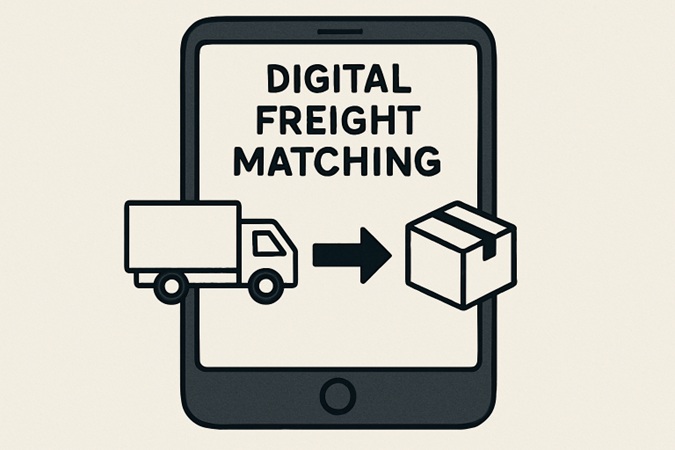
Artificial intelligence and machine learning offer powerful tools to the freight matching process. By analyzing vast amounts of real-time data from load boards, carrier platforms, and past shipment activity, AI-powered systems can rapidly identify the most efficient pairing between available trucks and freight. This continuous learning from historical trends helps eliminate manual guesswork and reduces the risk of inefficient bookings, allowing companies to avoid costly delays or deadhead miles. As reported by Forbes, transportation companies investing in AI have seen improvements in both cost controls and reliability.
It’s not just about efficiency. AI and ML are also crucial for dynamic pricing. These technologies assist in automatically adjusting price points based on variables such as truck availability, distance, seasonality, and overall market demand. Over time, this precision in pricing leads to a better equilibrium between shippers and carriers, ensuring fair pay for carriers and affordable rates for shippers. Furthermore, AI-driven insights help with capacity forecasting, making it easier for carriers to allocate resources more effectively and for shippers to plan their supply chains with greater confidence.
Implementing Telematics To Supercharge Operations
Telematics technology serves as the backbone of effective fleet management and real-time freight tracking. With integrated GPS, sensors for driver behavior, vehicle diagnostics, and temperature monitoring for sensitive cargo, telematics systems provide dispatchers with actionable data. This level of connectivity cuts down response times when issues arise on the road, assists with route planning to reduce fuel costs, and streamlines compliance with industry regulations. Smart telematics systems also facilitate predictive maintenance, which keeps fleets running efficiently and reduces downtime.
Additionally, telematics offer advanced safety monitoring features that support driver coaching and risk management. Real-time alerts on harsh braking, rapid acceleration, and speeding allow fleet managers and drivers to address unsafe behaviors before they escalate. The resulting improvements in safety not only protect personnel and cargo but also reduce insurance costs and help maintain an excellent safety record, which in turn can become a marketable advantage with customers seeking reliable logistics partners.
Building Collaborative Platforms For Industry-Wide Efficiency
Digital collaboration platforms make it possible for carriers and shippers to share resources, information, and capacity with ease. By plugging into multi-carrier networks, organizations can access a much wider range of freight and truck options. These platforms allow for dynamic matching and relay transportation, which is especially valuable in cross-region hauls and time-sensitive deliveries. Multiparty cooperation streamlines shipment building, optimizes delivery schedules, and helps reduce both operational costs and environmental impact.
The scope of collaboration is continuously expanding as platforms add more integration options, from real-time payment processing to transportation management system (TMS) interoperability. This facilitates smoother handoffs and reduces errors that often arise from fragmented processes. Dynamic rating tools, capacity swapping, and shared risk models, once concepts only discussed at industry conferences, are now activated in real-world operations, fundamentally transforming how partners interact and compete.
Harnessing Data Analytics & Predictive Modeling
By adopting data analytics and predictive modeling, logistics providers can stay ahead of demand swings and capacity crunches. Analytics platforms aggregate data from retail inventory levels, seasonal shipping patterns, and broader economic indicators to forecast regional freight demand. Predictive models help carriers and shippers take a proactive approach, allocating drivers and equipment before bottlenecks develop or identifying emerging backhaul opportunities. The adoption of these technologies allows for smarter, forward-looking business decisions.
Combine these models with dashboards and reporting features that visualize key performance indicators (KPIs), and managers gain an at-a-glance understanding of bottlenecks, profitability, and customer satisfaction. Insights gleaned from analytics not only refine route planning and dispatching but can also be used to drive continuous improvement initiatives, identifying where training or investment is needed most to strengthen the entire logistics network.
Embracing Mobile Solutions For On-The-Go Agility
Mobile solutions are transforming the way trucking companies manage daily operations. Drivers, dispatchers, and logistics partners can now use mobile applications to exchange information instantly, update shipment statuses, and communicate unexpected delays or route changes in real time. This level of connectivity fosters an agile, adaptive logistics environment and reduces admin overhead by automating the exchange of load documentation and proof of delivery. With these tools in hand, the gap between the field and the back office virtually disappears.
The flexibility enabled by mobile technology also improves onboarding for drivers and ensures better compliance with electronic logging device (ELD) regulations. For independent operators, these solutions put advanced scheduling and load matching capabilities right in the palm of their hand, democratizing access to premium freight and streamlining every aspect from invoice submission to route optimization. As connectivity becomes universal, mobile-first tools are setting a new standard for responsiveness and operational excellence in trucking.
Conclusion
The drive for efficiency in freight matching is shaping the future of trucking. Integrating modern solutions like AI-driven platforms, telematics, collaborative networks, predictive analytics, and mobile technology arms carriers and brokers with the flexibility and foresight required to thrive in an increasingly complex landscape. Companies that adapt to these changes, leveraging resources such as trucking load boards and industry-leading technology, will be best positioned to maximize profits, reduce costs, and consistently meet evolving customer demands.