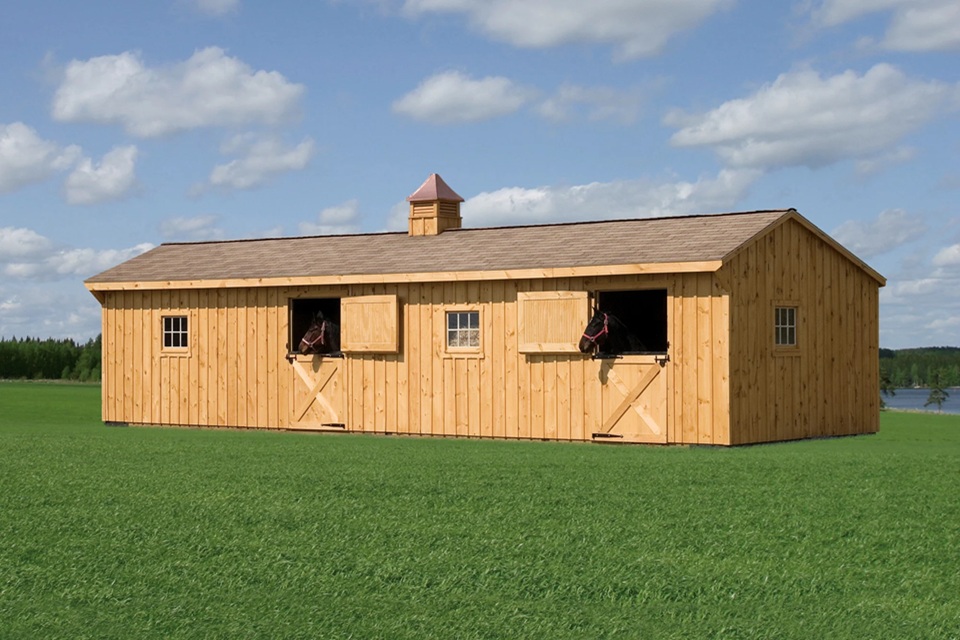
Building a professional equestrian facility can seem like an overwhelming task. Between planning layouts, sourcing materials, coordinating construction crews, and ensuring horse safety, the process can feel daunting. Yet, thanks to modern modular and prefabricated solutions, it’s entirely possible to establish a high-quality, fully functional facility in just 30 days. This guide walks you through practical strategies to start quickly, scale efficiently, and avoid common pitfalls while maintaining a professional, polished appearance.
Why Modular Construction Is The Fastest Way Forward
Traditional barn and arena construction often takes months, sometimes even over a year. Delays in permits, weather interruptions, and labor availability can push timelines even further. Modular construction, however, is designed to bypass these obstacles. Prefabricated structures are built off-site, delivered ready for assembly, and can be installed rapidly with minimal disruption to the surrounding environment.
Key advantages of modular construction include:
- Speed: Factory-built components are pre-measured and pre-cut, which drastically reduces on-site construction time.
- Consistency: Every panel or section is produced under strict quality control, ensuring uniform craftsmanship across the entire facility.
- Flexibility: Modular structures can be expanded or reconfigured without major structural changes.
- Cost efficiency: Reduced on-site labor hours and minimized waste often make modular options more budget-friendly than traditional construction.
With modular solutions, you can focus on facility functionality and horse comfort while achieving a professional aesthetic without months of construction delays.
Start Small With Portable Horse Stalls
For owners eager to have a functional facility immediately, starting with portable horse stalls is a smart strategy. These stalls are either pre-assembled or designed for quick on-site assembly, allowing horses to be housed safely while additional structures are added.
Advantages of portable horse stalls include:
- Immediate usability: Horses can move in as soon as the stalls are set up.
- Scalable design: Start with a few stalls and gradually expand to accommodate more horses.
- Mobility: Units can be relocated or reconfigured to optimize space.
- Affordable initial investment: You can prioritize essential structures first and expand later as your budget allows.
Tips For Effective Use Of Portable Stalls
- Plan Your Layout: Even portable units require thoughtful spacing for aisles, feeding areas, and equipment access.
- Ensure Proper Ventilation: Adequate airflow prevents respiratory issues and keeps horses comfortable.
- Access to Utilities: Ensure water, drainage, and electricity are available for feeding, cleaning, and lighting.
- Durable Flooring: Use rubber mats or proper bedding to reduce wear and make cleaning easier.
Starting small with portable stalls allows you to test your space, adjust layouts, and ensure daily operations run smoothly before committing to a larger facility. Many successful equestrian facilities begin this way, gradually expanding while keeping operations functional from day one.
Planning A Cohesive Facility Layout
A professional equestrian facility is more than just stalls. Consider the complete ecosystem to maximize efficiency, safety, and comfort:
- Aisle design: Wide, well-lit aisles make moving horses, equipment, and vehicles safer.
- Feed and tack storage: Centralized, weather-protected storage improves daily workflow and reduces spoilage.
- Water and drainage: Proper systems prevent muddy paddocks, reduce erosion, and support horse health.
- Pasture and paddock planning: Strategically rotate grazing areas to avoid overuse and allow for pasture regeneration.
- Training and exercise areas: Plan arenas and open spaces for riding, lunging, and obstacle training.
Mapping your facility with sketches or digital design tools before construction begins ensures that modular components can be integrated efficiently, avoiding costly adjustments later. Even with prefabricated structures, poor layout planning can lead to wasted space and workflow inefficiencies.
Incorporating Safety Features
Horse facilities require careful attention to safety. Key considerations include:
- Non-slip surfaces: Use appropriate flooring in stalls, aisles, and arenas to prevent slips and falls.
- Proper fencing: Strong, well-maintained fencing keeps horses secure and prevents accidents.
- Fire safety: Install fire extinguishers, smoke detectors, and keep flammable materials away from stalls.
- Lighting: Adequate lighting in barns and arenas ensures visibility during early morning or evening hours.
Incorporating these safety features early in the design and assembly process ensures your facility is not only professional-looking but also secure for both horses and staff.
Choosing The Right Construction Team
Even with prefabricated materials, the assembly team’s experience significantly impacts the outcome. Seek builders who:
- Have experience with modular or prefabricated structures.
- Understand equestrian facility requirements, including stall size, ventilation, and accessibility.
- Maintain consistent finishes and craftsmanship across multiple structures.
- Can work efficiently to meet tight timelines without compromising quality.
A professional team ensures the facility functions well, looks polished, and is built to last, even with rapid assembly schedules.
Scaling Up To A Full Facility With Noble Barn Co.
Once your initial stalls and smaller structures are in place, it’s time to scale your facility. Partnering with a professional barn company such as Noble Barn Co. allows you to expand while maintaining a cohesive look and high-quality construction across the farm.
Advantages of working with an expert barn company include:
- Seamless expansion: Add arenas, barns, storage, tack rooms, and more without disrupting existing structures.
- Customizable options: Choose features such as lofts, wash racks, ventilation systems, or specialized riding arenas tailored to your needs.
- Consistent craftsmanship: Amish-built structures provide durable, aesthetically pleasing buildings that maintain uniformity across your facility.
- Durable materials: High-quality construction ensures longevity and resistance to weather, daily use, and maintenance challenges.
Expanding with a professional company allows you to gradually grow your facility without sacrificing design consistency or operational efficiency.
Common Mistakes To Avoid
Even with modular or prefabricated structures, mistakes can slow your build or reduce your facility’s functionality. Common pitfalls include:
- Neglecting layout planning: Poor space management can limit future expansion.
- Underestimating utilities: Water, electricity, and drainage should be included in the early planning stages.
- Ignoring ventilation and airflow: Proper ventilation is critical for horse health and comfort.
- Rushing assembly: Speed is important, but careful installation prevents long-term issues.
- Overlooking safety measures: Fencing, non-slip surfaces, and fire precautions are essential.
Addressing these areas upfront prevents costly errors and ensures the facility is safe, functional, and professional from day one.
Final Tips For A 30-Day Build
To complete your equestrian facility quickly and efficiently, follow these best practices:
- Prioritize essential structures: Begin with stalls, aisles, and critical utilities before adding secondary structures.
- Use modular and prefabricated components: This reduces on-site labor time and ensures consistent quality.
- Coordinate deliveries and crews carefully: Avoid downtime by aligning schedules for construction, materials, and assembly.
- Plan for future growth: Leave space and pre-installed infrastructure for arenas, barns, and storage.
- Focus on functionality first: While aesthetics matter, horse comfort, safety, and workflow should guide initial decisions.
By combining careful planning, modular solutions, and expert assembly teams, it’s possible to have a professional, functional equestrian facility in just 30 days.
Conclusion
Building an equestrian facility doesn’t have to take months or years. By starting with portable horse stalls, planning a thoughtful layout, and eventually expanding with a trusted partner like Noble Barn Co., you can create a fully operational, high-quality facility in a fraction of the time it would take with a traditional approach. Modular construction, careful planning, and professional assembly ensure that your facility is safe, functional, and aesthetically consistent from day one. With the right approach, your dream equestrian facility is achievable quickly, efficiently, and with lasting quality.