The Core Pillars Of Home Exterior Maintenance
Maintaining your home’s exterior is a continuous process that safeguards its structural integrity, enhances its visual appeal, and protects your significant investment. To effectively manage this, it’s helpful to understand the different types of maintenance and the essential tools and safety practices involved.
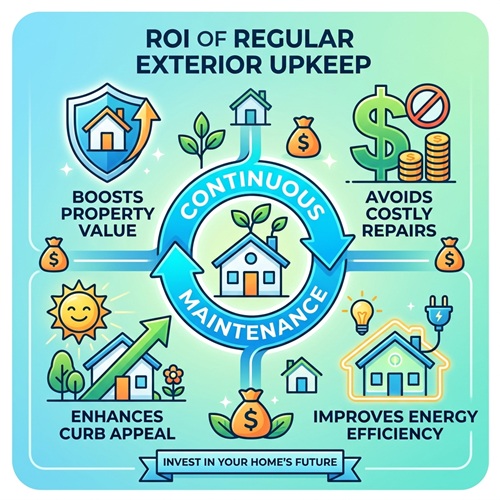
At its heart, exterior maintenance can be categorized into three main types: preventive, corrective, and ongoing. Preventive maintenance involves proactive measures taken to avoid issues before they arise, such as regular inspections and cleaning. Corrective maintenance addresses existing problems, like repairing a leaky gutter or patching a cracked foundation. Ongoing maintenance encompasses routine tasks that keep your home in good condition day-to-day, blending elements of both preventive and corrective actions.
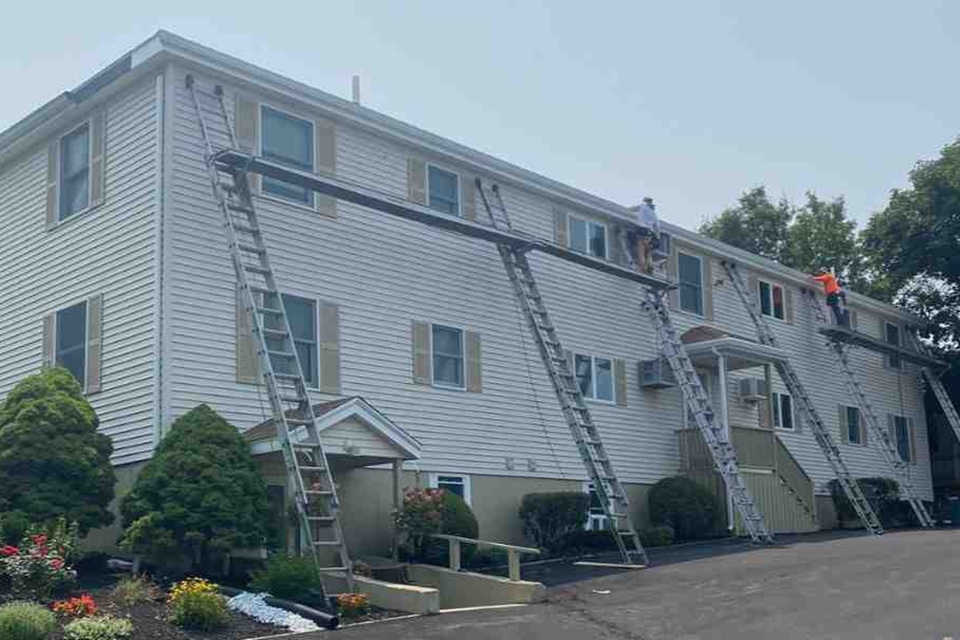
Unfortunately, a significant number of homeowners tend to delay necessary repairs. Research indicates that 59% of homeowners procrastinate home repairs due to perceived costs, often leading to more expensive problems down the line. This highlights the critical importance of a consistent maintenance schedule. By addressing small issues promptly, we can prevent them from escalating into major, budget-busting repairs. For instance, a minor roof issue, if neglected, can lead to extensive water damage requiring specialized roofing services. When faced with complex or high-risk tasks, it’s often wise to consult professionals. For those in the Massachusetts area seeking expert exterior roofing solutions, considering a reputable provider like Golini MA commercial exterior roofing can ensure quality and safety.
Beyond the immediate financial benefits, consistent exterior maintenance also contributes to your home’s energy efficiency, curb appeal, and even compliance with homeowner’s insurance policies or HOA regulations. It’s about protecting your asset from the elements and preserving its value for years to come.
Defining Maintenance Types
Preventive strategies are your first line of defense. These include actions like annual roof inspections, cleaning gutters before they clog, and sealing driveways to prevent cracks. The goal is to identify potential vulnerabilities and reinforce your home against them.
Corrective actions come into play when a problem has already manifested. This could be anything from repairing a section of damaged siding after a storm to fixing a leaky window seal. While often unavoidable, the need for corrective maintenance can be significantly reduced through diligent preventive care.
Ongoing schedules involve routine tasks that keep your home looking its best and functioning optimally. This might mean quarterly walkarounds to check for new issues, monthly pest control checks, or seasonal power washing of your siding. Combining these three types of maintenance creates a comprehensive approach that saves time, money, and stress in the long run.
Essential Tools & Safety Gear
Tackling exterior maintenance safely and effectively requires the right tools and a strong commitment to safety. For roof inspections, binoculars are invaluable, allowing us to spot damaged or missing shingles from the ground without the risk of climbing. A screwdriver is a simple yet effective tool for testing wood integrity, helping to detect hidden wood rot.
For yard and exterior cleaning, tools like a power sweep can efficiently remove caked-on mud from decks and sidewalks, while a blower makes quick work of fall leaves. A pole pruner is excellent for reaching and trimming high tree limbs safely from the ground.
Safety is paramount, especially when working at heights or with power tools. Always use a ladder stabilizer for secure placement and ensure your ladder is on stable, level ground. Safety harnesses are crucial for roof work, and protective eyewear should be worn for any task involving debris, chemicals, or power tools. Investing in quality safety equipment and understanding its proper use is non-negotiable for any homeowner undertaking exterior maintenance.
Seasonal Checklist For Year-Year-Round Protection
Our homes face a constant barrage from the elements, from scorching summer sun and high-altitude UV exposure to heavy winter snowpacks and drastic freeze-thaw cycles. A seasonal approach to exterior maintenance ensures that your home is prepared for whatever nature throws its way, preventing minor wear from becoming major damage.
Spring & Summer Home Exterior Maintenance Tasks
As winter recedes, spring offers an ideal opportunity for recovery and inspection. This is the time to assess any damage from harsh winter weather and prepare for the warmer months.
- Gutter Cleaning: After winter, gutters often accumulate leaves, twigs, and other debris. Cleaning them thoroughly ensures proper drainage and prevents water overflow that can damage fascia boards, foundations, and basements.
- Siding Wash: Give your home’s exterior a good wash to remove winter grime, mold, and mildew. For vinyl or brick, a low-pressure power washer can be effective, while wood siding may require a soft brush and mild detergent.
- Deck Staining/Sealing: Inspect your deck for wear and tear. Wood decks typically need a fresh coat of stain or sealant every 2–3 years to remain weatherproof and protected from UV rays and moisture.
- Pest Inspection: Warmer weather brings increased pest activity. Check for signs of insects or rodents entering through cracks, gaps, or damaged screens. Seal any entry points you find.
- Landscaping Trim: Trim back any tree branches or shrubs that are touching your house. This prevents moisture buildup against siding, reduces pest access, and minimizes debris falling onto the roof. For general property upkeep, including tasks like maintaining your garage exterior, you might find valuable resources on Good Golly garage exterior care.
- Irrigation Checks: Test your sprinkler system for proper function, ensuring heads are not broken or misdirected, and check for leaks.
- Lawn Aeration: Aerating your lawn in spring can improve water and nutrient absorption, promoting healthier grass growth.
Fall & Winter Readiness
Fall is all about preparation, ensuring your home is sealed, insulated, and ready to withstand the cold and potential snowfall. Winter maintenance focuses on preventing ice-related damage and monitoring for issues.
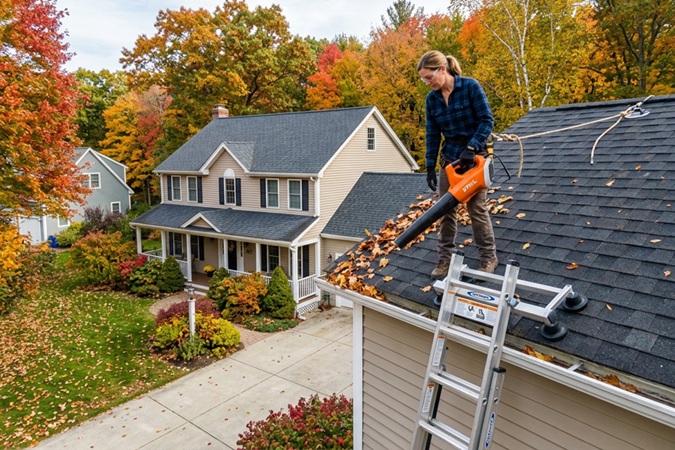
- Roof Debris Removal: Before leaves fall completely and snow begins, clear your roof of any accumulated debris. This prevents moisture retention and potential ice dam formation.
- Weatherstripping and Caulk Inspection: Check around all windows and doors for deteriorating weatherstripping and cracked caulk. Reseal or replace as needed to prevent drafts and improve energy efficiency.
- Ice Dam Prevention: Ensure your attic is well-insulated and properly ventilated. Good attic ventilation helps keep the roof deck cold, preventing snow from melting and refreezing into ice dams at the eaves.
- Snow Removal: While generally not recommended to climb on roofs for snow removal, ensure snow is cleared from around foundation vents and emergency exits.
- Foundation Grading: Confirm that the ground around your foundation slopes away from the house. Ideally, there should be a 6-inch drop over the first 10 feet to direct water away and prevent hydrostatic pressure against the foundation.
Critical Systems: Roofing, Gutters, & Siding
The roof, gutters, and siding form the primary protective shell of your home. Their condition directly impacts your home’s vulnerability to weather, pests, and structural damage. Regular attention to these elements is non-negotiable for long-term home health.
Maintaining Roof & Gutter Integrity
Your roof is your home’s first and most important defense against the elements. We recommend professional roof inspections twice a year, typically in spring and fall, and always after any major storm. Look for signs of wear such as missing, curling, or cracked shingles, which can indicate an aging roof or storm damage. Bald spots where granules have worn off expose the asphalt to UV rays, accelerating deterioration. Moss or algae growth can trap moisture, shortening shingle lifespan and causing decay.
Gutter and downspout cleaning should be done at least twice a year—late spring and late fall—or more frequently if your home is surrounded by trees. Clogged gutters can lead to water overflowing and pooling around your foundation, potentially causing basement leaks, mold, and structural damage. Ensure downspouts direct water at least 5 feet away from the foundation to prevent this. Inspect gutters for sagging, leaks, or rust. Consider installing gutter guards to reduce debris buildup, though regular checks are still necessary.
Siding Care & Wood Rot Prevention
Siding not only contributes significantly to your home’s aesthetic appeal but also acts as a crucial moisture barrier. Different materials require specific care. Vinyl siding is relatively low maintenance, typically requiring a simple wash once or twice a year to remove dirt, grime, and mildew. For wood siding, regular inspection for rot and insect damage is key. Wood siding often needs to be stained every 2–5 years to maintain its protective finish.
To clean siding effectively, use a mild detergent and a soft brush, or a low-pressure power washer (under 1500 PSI) angled downward to prevent water from getting behind the panels. For mold or mildew, an oxygen bleach solution can be effective.
Wood rot prevention is paramount, especially in areas prone to moisture. Paint can often camouflage wood rot, so it’s important to use a screwdriver to test any suspicious areas. If the wood is soft, spongy, or doesn’t splinter when poked, you likely have a wood rot problem. Small areas can be treated with wood preservatives after drying, but extensive rot may require replacement. Most exterior paints are made to last from five to 10 years, varying by formula, sun exposure, wall material, and weather conditions, so keeping an eye on peeling or blistering paint can also indicate underlying issues.
Maximizing Efficiency Through Windows, Doors, & Foundations
Beyond protection, your home’s exterior elements play a vital role in its energy efficiency and overall stability. Windows, doors, and the foundation are key areas where proper maintenance can lead to significant savings and prevent major structural headaches.
Windows, Doors, & Weatherproofing
Drafty windows and doors are major culprits for energy loss, potentially leading to 10-30% savings on heating and cooling bills with proper sealing. Annually, inspect all caulking around window and door frames for cracks, shrinkage, or deterioration. Replace any compromised caulk to create an airtight seal. Similarly, check weatherstripping for wear and tear and replace it if it’s no longer providing a tight seal.
For smooth operation and security, lubricate door hardware quarterly with a silicone-based spray (avoiding oil-based lubricants like WD-40 on certain mechanisms). Ensure thresholds are properly aligned to prevent drafts and water intrusion at the bottom of doors. If you notice condensation between the glass panes of your windows, it indicates a failed seal, allowing insulating gases like argon to escape, and often necessitates window replacement for optimal energy efficiency.
Driveway & Foundation Stability
Your driveway and walkways endure constant stress from vehicles, foot traffic, and weather fluctuations. For asphalt driveways, resealing every two to five years is crucial to extend its longevity and prevent cracking. Small cracks in both asphalt and concrete can be repaired with appropriate concrete filler or asphalt crack sealants. For oil and grease stains on asphalt, absorbent material like cat litter can be used to soak up the spill before scrubbing with detergent.
The foundation is the bedrock of your home, and its stability is non-negotiable. Regularly inspect your foundation for cracks. Hairline cracks are common and often superficial, but widening or stair-step cracks, especially in brick, can signal more serious structural issues requiring professional assessment. Ensure proper foundation grading, maintaining a slope of at least 6 inches over the first 10 feet away from the house, to prevent water from pooling and exerting hydrostatic pressure against the foundation walls. This also helps prevent soil compaction near the foundation, which can lead to settling. Repairing uneven or cracked walkways not only preserves aesthetics but also eliminates potential slip hazards.
Task Category DIY Feasibility Professional Recommendation Cost-Effectiveness (DIY vs. Pro) Gutter Cleaning (standard) High Low (unless very high/complex) High (DIY) Roof Inspection (ground level) High High (for detailed assessment) Low (DIY initial, Pro for depth) Siding Washing (low-pressure) High Medium (for large/high areas) High (DIY) Wood Rot Repair (minor) Medium High (for extensive damage) Medium (DIY small, Pro large) Foundation Crack Repair (hairline) Medium High (for structural cracks) Medium (DIY superficial, Pro structural) Window/Door Caulking High Low High (DIY) Driveway Resealing (asphalt) Medium Medium (for convenience) Medium (DIY labor, Pro speed) Cost-Effective Strategies for Home Exterior Maintenance
Proactive maintenance is the most cost-effective approach to preserving your home’s exterior. By understanding how to prepare for extreme weather, selecting durable materials, and avoiding common mistakes, we can extend the lifespan of exterior elements and enhance property value without breaking the bank.
Preparing For Extreme Weather
Our homes endure a variety of weather challenges, from intense sun to severe storms. Preparing in advance can mitigate damage and save on costly repairs. For areas prone to hail, documenting any hail damage with photos immediately after a storm is crucial for insurance claims. Be wary of “storm chasers”—contractors who appear after a storm, often from out of town, offering quick fixes. Always choose reputable, local contractors.
Enhance your home’s wind resistance by ensuring all siding, trim, and roofing materials are securely fastened. In snowy regions, manage snow load on roofs by ensuring proper structural support and attic ventilation to prevent ice dams. Mitigate UV exposure by choosing UV-resistant paints (like 100% acrylic latex) and materials, which will extend their lifespan and maintain color vibrancy. Consider storm shutters or impact-resistant windows in hurricane-prone areas.
Avoiding Common Maintenance Mistakes
Many homeowners inadvertently contribute to exterior damage through common oversights. The procrastination costs mentioned earlier (59% of homeowners delay repairs) are a prime example. Ignoring small leaks or cracks allows water intrusion, leading to mold, rot, and structural damage that far exceeds the cost of the initial repair.
Another frequent error is improper pressure washing. While effective for cleaning, using too high a pressure or an incorrect angle can damage siding, blast away paint, or force water behind panels, leading to moisture issues. Always use the lowest effective pressure and angle the spray downward. Over-pruning or improperly trimming trees and shrubs can lead to unhealthy plants or even damage to the house if branches fall. Neglecting attic moisture and poor ventilation can lead to ice dams in winter and mold growth year-round. Finally, ignoring clogged window wells can lead to water seeping into your basement or foundation.
By being diligent and informed, we can extend the lifespan of exterior elements like paint, siding, and roofing, significantly improving home value and curb appeal.
Frequently Asked Questions About Home Exterior Maintenance
How often should I inspect and clean my gutters?
We recommend inspecting and cleaning your gutters at least twice a year: once in late spring after tree pollen and early debris have settled, and again in late fall after most leaves have fallen. If your home is surrounded by many trees, especially deciduous ones, you might need to clean them more frequently. Regular cleaning is crucial to prevent clogs, which can lead to water overflowing and causing damage to your roof, siding, fascia boards, and most importantly, your foundation.
What are the primary signs that my roof needs immediate repair?
Several signs indicate your roof needs urgent attention:
- Missing or badly damaged shingles: These leave your roof deck exposed to the elements.
- Curling or buckling shingles: This often indicates moisture damage or improper installation.
- Granule loss: Bald spots on asphalt shingles mean the protective layer is wearing away.
- Water stains on your attic ceiling or walls: This is a clear sign of a leak.
- Sagging roofline: A visible dip in your roof could indicate structural damage.
- Corroded or damaged flashing: Flashing around chimneys, vents, and skylights is critical for sealing. Addressing these issues promptly can prevent extensive and costly water damage to your home’s interior and structure.
When should I hire a professional instead of performing DIY maintenance?
While many exterior maintenance tasks are DIY-friendly, certain situations warrant calling a professional:
- Safety risks: Any task involving significant heights, steep roofs, or working with power tools that you’re not comfortable with should be left to experts.
- Structural repairs: Issues like significant foundation cracks, sagging roofs, or major siding damage often require specialized knowledge and tools.
- Electrical or plumbing tasks: These should always be handled by licensed professionals.
- Lack of specialized tools or expertise: If a task requires equipment you don’t own or skills you haven’t mastered, hiring a pro is safer and often more efficient.
- Professional inspections: Even if you perform regular DIY checks, it’s wise to have professional inspections every 2-3 years for critical systems like roofing to catch subtle issues you might miss.
Conclusion
Taking a proactive approach to home exterior maintenance is one of the smartest decisions you can make as a homeowner. It’s an investment that pays dividends in long-term value, offering peace of mind knowing your home is protected. By embracing proactive ownership, you safeguard your significant investment security, ensure aesthetic excellence, and guarantee structural longevity. From seasonal cleanings to timely repairs, every effort contributes to a home that is not only beautiful but also resilient, efficient, and a joy to live in for years to come.