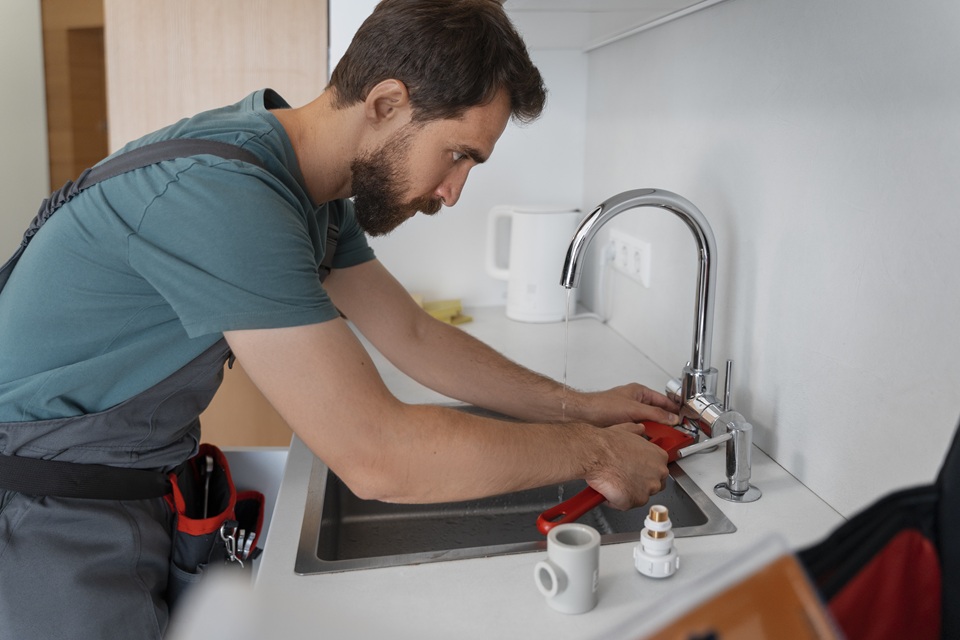
Finding a trustworthy plumber can save homeowners time, money, and avoid headaches from faulty repairs. In the United States, homeowners spend an average of $327 on plumbing-related issues annually, highlighting the need for informed decisions. In this article, we will explore critical questions to ask when selecting a plumber.
Understanding these key inquiries will ensure that you work with a qualified professional, securing quality services and peace of mind. Below, we outline essential questions to ask potential plumbers during your hiring process.
Questions To Determine Plumber’s Experience
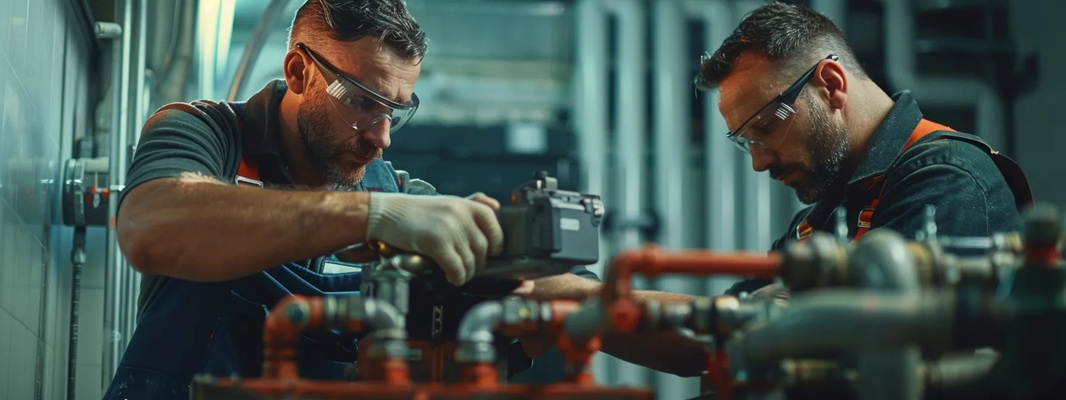
Assessing a plumber’s experience is vital, as it directly affects their ability to handle complex issues. Experienced plumbers often have a vast array of completed projects, indicating their expertise. For instance, plumbers with over a decade of experience generally have better problem-solving skills.
To gauge their experience, inquire about the specific types of projects they have handled in the past. Ensure they have dealt with issues similar to yours, as this can predict their success in resolving your plumbing problems. An extensive work portfolio can serve as evidence of their capabilities.
Request references or testimonials from previous clients to verify their experience. Additionally, asking about any ongoing training can reveal a commitment to staying updated with current industry standards. This proactive approach can be found useful when evaluating potential candidates.
Licensing & Insurance Verification Essentials
Ensuring that a plumber is licensed and insured is a fundamental step in the hiring process. Licensed plumbers are certified by the state and are equipped with the knowledge required to perform plumbing work safely and effectively. Insurance protects homeowners from financial liability if accidents occur during the job.
Always ask for proof of licensing and insurance before hiring a plumber. Verify the validity of their documentation to confirm they meet the state requirements. Legitimate plumbers should have no issue providing this information.
Be cautious of plumbers who are hesitant or unable to provide this data, as this often indicates a potential risk. By opting for licensed and insured professionals, homeowners can safeguard their property and financial interests during plumbing projects.
Understanding Plumbing Service Costs & Estimates
Having a clear understanding of service costs and estimates allows homeowners to plan their budgets efficiently. Transparent pricing can prevent unexpected charges, making it crucial to have detailed cost breakdowns for plumbing services. Plumbers should provide estimates in writing before any work begins.
Ask for a detailed estimate that includes labor, materials, and any potential additional costs. This comprehensive breakdown will help you assess whether the estimate is fair and within your budget. Comparing estimates from multiple plumbers can help ensure you’re getting a competitive rate.
Beware of significantly lower estimates, which may indicate hidden fees or subpar materials. Clarify payment terms, including deposit requirements and acceptable payment methods. These steps will help avoid misunderstandings and protect your financial interests.
Inquiring About Plumber Availability & Response Time

A plumber’s availability and response time are crucial factors, especially during emergencies. Homeowners must ensure they can count on the plumber in urgent situations to prevent additional damage. Some plumbers offer 24/7 services, while others may have limited availability.
Find out how quickly a plumber can respond to service calls, particularly for emergency repairs. Immediate response can prevent extensive water damage, which often leads to costly repairs. Assess whether their normal operating hours align with your schedule.
Plumbers known for rapid response times typically have higher customer satisfaction rates. Inquire if there are any additional charges for after-hours service calls, allowing you to prepare for potential extra costs. Reliable communication is key to managing emergencies effectively.
Overall, knowing which questions to ask when selecting a plumber can significantly enhance the decision-making process. Homeowners can identify qualified professionals by assessing experience, verifying credentials, understanding costs, and evaluating availability. These steps lead to successful collaborations and comprehensive plumbing solutions.