
The Strategic Value Of Professional Home Maintenance Services
Owning a home isn’t just about enjoying the space; it’s also about safeguarding a significant asset. Many homeowners often underestimate the critical role professional maintenance plays in protecting this investment. We understand that life gets busy, and home upkeep can easily fall by the wayside. However, statistics paint a clear picture of the consequences: a staggering 98% of home insurance claims stem from property damage. This highlights a crucial need for proactive measures. When we look at the financial landscape of property ownership, the cost of neglect far outweighs the price of consistent, professional care. A home is a complex machine with thousands of moving parts and interconnected systems, all of which require specific attention to function at peak performance.
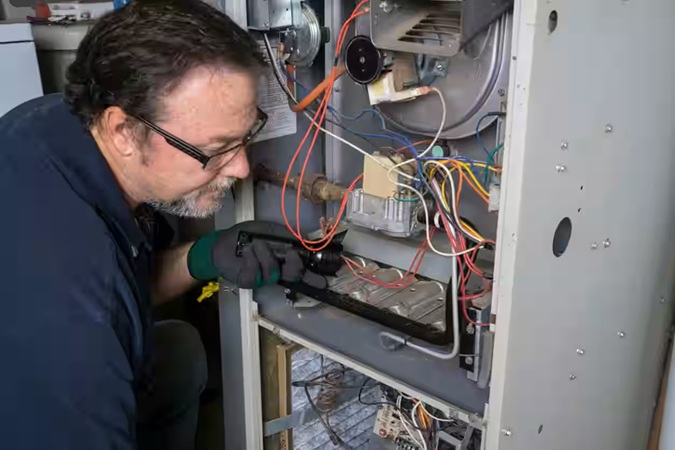
Professional home maintenance services are designed to mitigate these risks. By identifying and addressing potential issues before they escalate, these services act as your home’s first line of defense against costly repairs and insurance claims. Consider the intricate systems that keep your home comfortable and functional, such as your heating, ventilation, and air conditioning (HVAC). Regular check-ups and timely interventions can prevent small malfunctions from becoming major breakdowns. For instance, ensuring your climate control systems are in top shape, including considering a modern Air Experts heat pump installation for optimal efficiency, is a prime example of preventative care that protects your investment and enhances comfort. Modern heat pumps offer both heating and cooling capabilities, and their efficiency is highly dependent on professional installation and routine calibration. Without this expert touch, even the most advanced equipment can suffer from reduced lifespans and inflated energy bills.
Beyond immediate repairs, professional maintenance contributes to the long-term appreciation of your property. Financial experts often advise allocating 1-4% of your home’s purchase price to annual maintenance. This isn’t an arbitrary figure; it reflects the understanding that consistent care preserves value and prevents depreciation. For a $400,000 home, this means budgeting between $4,000 and $16,000 annually for upkeep. While this may seem like a significant sum, it is a fraction of the cost associated with major structural failures or a complete system overhaul. By entrusting your home to skilled professionals, you’re not just fixing problems; you’re actively investing in its longevity and market appeal. A well-maintained home not only sells faster but also commands a higher price point in competitive real estate markets, as buyers are increasingly wary of “deferred maintenance” red flags.
Addressing The High Cost Of Neglect
The consequences of deferred maintenance can be severe, often leading to expenses far greater than the cost of prevention. Two of the most common and destructive types of property damage are water and fire, accounting for 50% of all homeowners insurance claims. These incidents are frequently preventable with routine inspections and maintenance. A leaky pipe, if unnoticed, can lead to extensive water damage, mold growth, and structural rot. Mold remediation alone can cost thousands of dollars and pose significant health risks to the inhabitants. Similarly, clogged dryer vents or faulty wiring can pose serious fire hazards. Professional services include thermal imaging and moisture detection tools that the average homeowner simply doesn’t have access to, allowing for the discovery of hidden threats behind walls and under floorboards.
The reality is that approximately 1 in 20 homes files a homeowners insurance claim each year. Many of these claims could be avoided through consistent preventative maintenance. When we neglect minor issues, they tend to compound, turning small, manageable problems into major, emergency situations. This often results in higher repair costs, increased insurance premiums, and significant inconvenience. Furthermore, many insurance policies have clauses that exclude coverage for damage resulting from lack of maintenance, leaving the homeowner to foot the entire bill. Preventative maintenance, therefore, isn’t just about saving money; it’s about avoiding stress, ensuring safety, and preserving your peace of mind. As the adage goes, “$1 in Prevention = $4 in Savings” – every dollar spent on maintenance can avoid four dollars in future repair costs. This makes a compelling case for a proactive approach to home care, transforming maintenance from a chore into a strategic financial strategy.
Core Components Of A Comprehensive Maintenance Plan
A truly comprehensive home maintenance plan extends far beyond basic cleaning. It encompasses the systematic inspection, upkeep, and occasional repair of all critical home systems and components. This holistic approach ensures that every aspect of your home, from its climate control to its foundational integrity, functions optimally. A professional plan is tailored to the specific needs of the structure, taking into account the age of the building, the materials used in construction, and the local climate conditions. By creating a roadmap for care, homeowners can avoid the “reactive” cycle of fixing things only when they break, which is the most expensive way to manage a property.
At the heart of such a plan are regular checks of HVAC systems, which are vital for maintaining comfortable indoor temperatures and healthy indoor air quality. This includes filter replacements, duct inspections, and performance tuning. High-efficiency particulate air (HEPA) filters and regular duct cleaning can significantly reduce allergens and pollutants in the home. Electrical safety is another paramount concern, involving checks of wiring, outlets, and panels to prevent hazards. As homes age, their electrical demands often increase with new technology, making it essential to ensure the panel can handle the load without overheating. Plumbing systems require diligent attention to prevent leaks, clogs, and water damage, ensuring the integrity of your home’s water supply and drainage. Regular inspection of your roof and gutters is also crucial to prevent water intrusion, while ensuring proper foundation drainage protects your home’s structural stability. Even minor soil erosion near the foundation can lead to cracks that compromise the entire building.
When considering the various elements of your home that require attention, it’s clear that expertise is key. For example, understanding the nuances of your home’s plumbing systems, from routine checks to addressing complex issues, often requires specialized knowledge. Resources like those found on Home plumbing solutions can offer valuable insights into maintaining these critical systems effectively. Professional plumbers can perform video pipe inspections to see deep into the sewer lines, identifying root intrusions or pipe collapses before they cause a backup into the living space. This level of detail is what separates a basic DIY check from a professional maintenance protocol.
Integrating Pest Prevention Into Home Maintenance Services
Pests are not merely an annoyance; they can pose significant threats to your home’s structure, health, and comfort. Integrating pest prevention into a comprehensive home maintenance strategy is essential for long-term protection. Termites, for instance, can silently cause extensive structural damage, often going unnoticed until the integrity of the wood is severely compromised. Rodents can chew through wiring, creating fire hazards, and contaminate food supplies while spreading diseases like Hantavirus. A professional maintenance service looks at the home as an ecosystem, identifying the vulnerabilities that allow these intruders to gain a foothold.
Professional home maintenance services often include strategies for pest exclusion. This involves identifying and sealing entry points, such as cracks in the foundation, gaps around pipes, or openings in your roofline. Seasonal barriers, like perimeter treatments, can deter insects and other pests from entering your home. Beyond reactive measures, a proactive approach focuses on creating an environment that is less appealing to pests, such as managing moisture levels in crawlspaces, ensuring proper waste disposal, and maintaining yard cleanliness to remove nesting sites. This Integrated Pest Management (IPM) approach minimizes the use of harsh chemicals while maximizing long-term effectiveness.
For homeowners in specific regions, understanding local pest challenges is particularly important. For example, those in the Southwest might benefit from specialized strategies for desert-dwelling pests like scorpions or specific species of ants. Homeowners seeking guidance on regional pest concerns, such as Home pest maintenance Albuquerque, can find tailored solutions to protect their properties effectively. By addressing pest prevention as an integral part of home maintenance, we safeguard not only the structure of your home but also the health and well-being of its occupants, ensuring that the sanctuary of the home remains undisturbed by unwanted visitors.
Essential Plumbing & Drainage Oversight
The plumbing and drainage systems are the circulatory system of your home, and their proper functioning is critical for daily life. Neglecting these systems can lead to catastrophic damage, from minor leaks to major floods. Essential plumbing oversight involves a series of preventative measures designed to maintain efficiency and prevent failures. This includes checking for “silent” leaks in toilets and under sinks that can waste thousands of gallons of water and cause wood rot over time. Water damage is often progressive, meaning the longer it goes unaddressed, the more expensive the repair becomes.
Key tasks include monitoring and regulating water pressure to prevent undue stress on pipes and fixtures. High water pressure might feel good in the shower, but it can cause pipe joints to fail and shorten the life of appliances like dishwashers and washing machines. Flushing your water heater regularly helps remove sediment buildup, which can improve efficiency and extend its lifespan. Insulating exposed pipes, especially in colder climates, is vital to prevent freezing and bursting during winter snaps. Routine drain clearing, even when clogs aren’t apparent, can prevent blockages from forming and causing backups. Furthermore, testing sump pumps annually ensures they are ready to protect your basement from flooding during heavy rains. Regular inspections of all fixtures, faucets, and visible pipes for signs of corrosion or leaks can catch small issues before they escalate. This proactive approach to plumbing and drainage ensures a reliable water supply, efficient waste removal, and protection against water-related damage, ultimately saving the homeowner from the nightmare of a major indoor flood.
Seasonal Checklists & Frequency Of Home Maintenance Services
Understanding how often to schedule professional maintenance visits is key to maximizing their benefits. While some tasks require annual attention, others are best performed quarterly or even seasonally. The frequency often depends on your home’s age, location, and specific systems. A well-structured maintenance plan typically incorporates a seasonal checklist to address environmental changes and their impact on your home. For instance, a home in a coastal area will require more frequent inspections for salt-air corrosion, while a home in a heavily forested area will need more frequent gutter cleaning to prevent debris buildup.
Here’s a general overview of seasonal maintenance tasks that keep a home in peak condition:
Season Typical Maintenance Tasks Spring Inspect roof for winter damage, clean gutters, service AC unit, check window screens, and inspect exterior caulking. Summer Check irrigation systems, inspect deck/patio for wear, test smoke and carbon monoxide detectors, and clean dryer vents. Fall Service heating system, winterize outdoor faucets, inspect chimney and fireplace, and check weatherstripping on doors. Winter Monitor for ice dams, check basement for moisture, test sump pump, and inspect attic insulation levels. Spring is often considered the most critical time for maintenance, as it involves recovering from the harshness of winter and preparing for the heat of summer. During this time, professionals focus on the exterior envelope of the building. Checking the roof for missing shingles or damaged flashing can prevent spring rains from entering the attic. Similarly, servicing the air conditioning system before the first heatwave ensures that the unit operates efficiently and doesn’t fail when it is needed most. This seasonal transition is also the perfect time to inspect the landscaping to ensure that plants and soil are not trapping moisture against the foundation.
As we move into the colder months, the focus shifts to heat retention and safety. Fall maintenance is centered on the furnace or heat pump, ensuring that the combustion process is safe and the heat exchange is efficient. This is also the time to address the “envelope” of the home by checking weatherstripping and caulking. Small gaps around windows and doors can account for a significant percentage of heat loss, leading to uncomfortable drafts and high utility bills. By sealing these gaps, homeowners can maintain a more consistent indoor temperature while reducing the strain on their heating equipment.
Winter maintenance is largely about monitoring and prevention. In regions prone to freezing temperatures, the primary goal is to prevent pipe bursts and manage snow and ice accumulation. Professionals may check that heat tape is functioning on vulnerable pipes and that the attic is properly ventilated to prevent ice dams from forming on the roof. Throughout the year, a consistent schedule of professional visits ensures that no system is overlooked. This disciplined approach to home care not only protects the physical structure but also provides the homeowner with a detailed history of the property’s condition, which is an invaluable asset when it comes time to sell or refinance. Professional home maintenance is the most effective way to ensure that your largest investment remains a source of comfort and security for years to come.