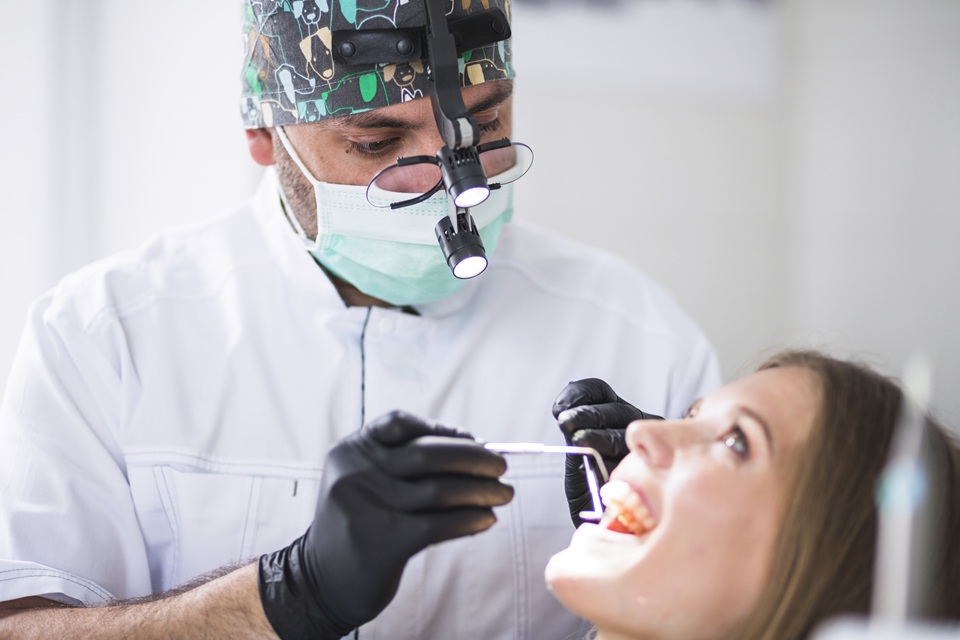
- Dental implant technology is becoming more precise, aesthetic, and efficient through the integration of AI, digital workflows, and advanced materials.
- 2026 will bring a range of continuing education opportunities, including symposiums and specialized courses, to help professionals stay current.
- Ongoing learning supports improved patient care, certification, and valuable professional connections.
Introduction
Dental implantology is undergoing a transformative revolution, driven by rapid, continuous advances in materials science, artificial intelligence, and digital dentistry. These fields are merging to usher in a new era of personalized, precision treatment that was previously unimaginable. As the industry moves towards 2026, practitioners must remain up to date with technological breakthroughs and evidence-based practices to remain competitive and ensure the best possible outcomes for their patients. Specialized training opportunities offered by institutions like the Pikos Institute equip dental professionals with the essential skills to deliver superior patient care in a rapidly evolving landscape. These learning environments also allow clinicians to discuss real-world cases, troubleshoot challenges, and gain mentorship from leading implant experts.
Innovative learning formats, such as interactive webinars, live demonstrations, case simulations, and hands-on digital integration, are transforming dental education by combining theoretical knowledge with practical expertise. These methods enhance treatment quality, reduce procedural risks, and improve recovery outcomes, addressing the growing global demand for dental implants.
Dentists are increasingly mastering advanced techniques, including minimally invasive surgery, tissue regeneration, digital imaging, and AI-driven diagnostics, prompting academic programs to update curricula to meet evolving professional standards. Simultaneously, the adoption of next-generation biomaterials, such as metal-free ceramics and zirconia, is improving patient outcomes, promoting better tissue integration, reducing inflammation, and enhancing aesthetics.
Emerging Trends In Dental Implant Technology
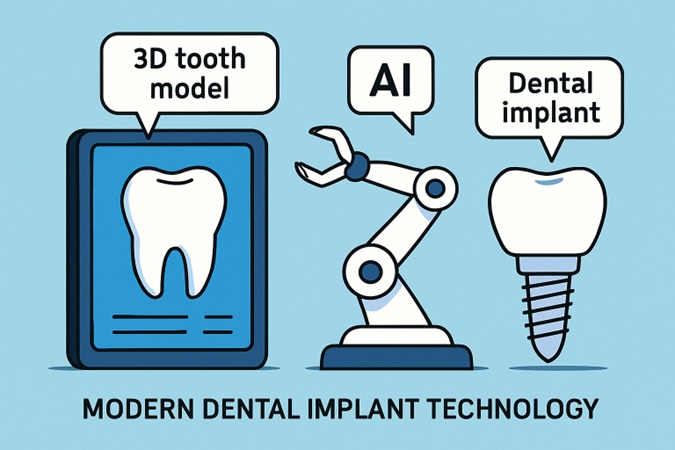
- Digital Dentistry and AI Integration: Artificial intelligence is rapidly transforming diagnostics, treatment planning, and restoration procedures throughout the dental implant journey. AI-driven imaging analysis and predictive algorithms are enabling the development of highly customized implants, offering a level of precision in fit that reduces complications and the risk of post-surgical issues. Automated data analysis can flag potential anatomical challenges before surgery, enabling clinicians to make safer, faster decisions. Robotics-assisted surgery, another area of growth, is now increasingly available in advanced dental clinics. These robotic systems improve surgical accuracy, minimize human error, and provide real-time feedback, all while minimizing risk.
- Zirconia Implants: The ongoing rise of zirconia as a preferred implant material represents one of the most significant shifts in dental implantology in recent years. This is primarily attributed to zirconia’s unique combination of enhanced aesthetics, mechanical strength, and superior biocompatibility compared to traditional metal implants. Zirconia implants help minimize inflammation and promote healthier soft tissue outcomes, reducing the risk of complications such as peri-implantitis. From a patient’s perspective, these implants deliver highly natural-looking results that blend seamlessly with surrounding teeth. Clinicians benefit from being able to address a broader range of clinical cases, including those in which titanium might previously have been contraindicated. The growing diversity in available biomaterials enables more tailored, patient-focused treatment plans.
- 3D Printing and Guided Surgery: The integration of 3D printing with guided surgery protocols continues to redefine implant placement and restoration workflows. Custom surgical guides, produced via high-resolution 3D printers, are now designed to fit precisely within each patient’s unique anatomical structure. This advancement allows minimally invasive placement, reducing tissue trauma and enabling quicker, more comfortable healing for patients. The use of customized, digitally designed guides is making guided surgery more accessible and reliable for dental practices of all sizes.
Upcoming Educational Opportunities
As these technological and clinical trends continue to revolutionize dental implantology, academic institutions, dental societies, and specialized continuing education providers are stepping up to offer new, forward-looking courses tailored to emerging needs. In 2026, dental professionals will have access to a broad spectrum of in-depth symposiums, hands-on workshops, and fully digital learning programs specifically aligned with the very latest technological advancements in the field. These courses not only serve to build technical skills but also foster professional growth and support lifelong learning in a rapidly changing profession.
- Harvard School of Dental Medicine’s Dental Implant Symposium: Scheduled for February 27–28, 2026, this comprehensive event will unite global leaders, thought leaders, and clinicians with a shared goal of advancing best practices in digital implantology, guided-surgery protocols, and team-based care approaches. Participants can expect exposure to state-of-the-art tools, emerging research, and practical innovations in adhesives, prosthodontics, AI integration, and regenerative dentistry. These sessions provide unparalleled opportunities for interactive discussion, peer networking, and hands-on learning in a world-class academic setting—all vital for thriving in the future of dental medicine.
- Artificial Intelligence in Dental Medicine Course: Running from January 7 to March 11, 2026, this program delves into the broad spectrum of AI applications in dental care—from currently approved clinical tools to groundbreaking innovations in diagnosis, treatment planning, and workflow management. Participants will receive guidance on best integration strategies, workflow optimization principles, and key ethical considerations surrounding the use of patient data. The course also includes demonstrations of real-world cases where AI-driven approaches have dramatically improved outcomes or improved practice efficiency, providing a comprehensive exploration of this rapidly evolving field.
Benefits Of Continuing Education
- Enhanced Skills: Engaging with up-to-date techniques, devices, and treatment philosophies enables practitioners to advance their clinical proficiency continually. By incorporating the latest research and technologies into daily practice, clinicians can deliver improved outcomes, approach challenging cases with greater confidence, and ensure a higher standard of care for all patients.
- Professional Networking: Educational courses, symposia, and conferences function as essential gathering points for professionals to exchange innovative ideas, collaborate with leading experts, and share real-world experiences. Building relationships at these events helps clinicians expand their professional network, remain informed about evolving best practices, and often leads to new referrals or collaborative research opportunities.
- Certification and Professional Recognition: Completing rigorous CE courses or achieving certificates in emerging subspecialties demonstrates a tangible commitment to lifelong learning—a quality that resonates deeply with modern patients. As patients become more informed and discerning, clinicians who actively seek out continuing education foster greater patient trust, reinforce their reputations for excellence, and are often positioned as leaders within their communities and peer groups.
Conclusion
The future of dental implantology is exceptionally bright, with an array of cutting-edge technologies redefining toolkits, treatment frameworks, and patient expectations. For dental professionals, an ongoing commitment to continuous learning—especially by enrolling in top-tier academic programs and actively participating in global symposiums—will ensure a decisive and enduring competitive advantage. As 2026 approaches and the influence of AI, digital workflows, and advanced biomaterials increases, leveraging these tools will become a baseline requirement for any clinician dedicated to delivering excellence in implant dentistry. Embracing these innovations is not just about keeping up—it’s about leading the way in patient safety, satisfaction, and clinical success.