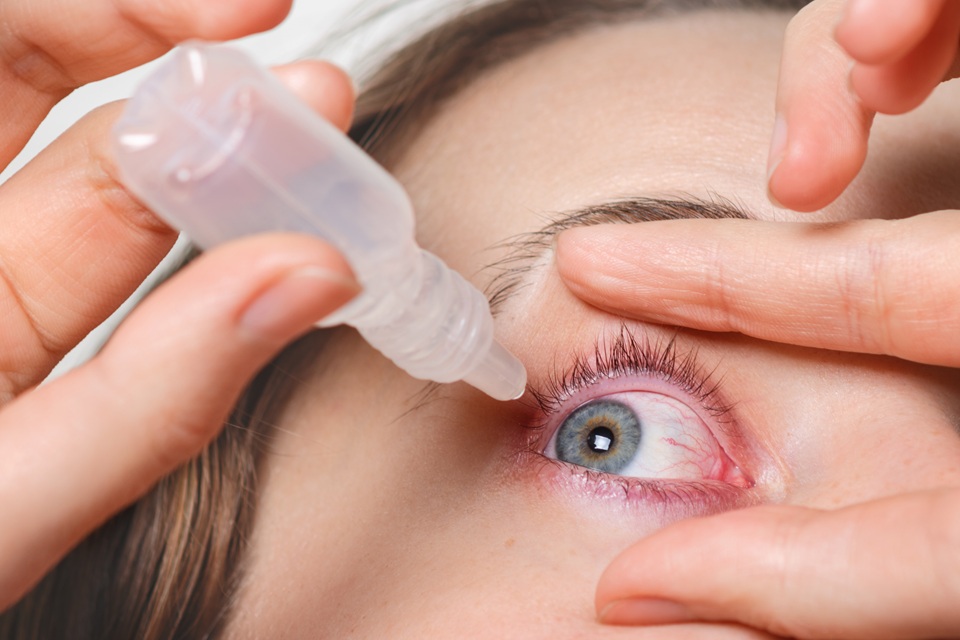
Many people experience dry, irritated eyes at some point, whether due to prolonged screen time, environmental factors, or underlying health conditions. These symptoms can range from mild discomfort to persistent irritation, affecting daily activities and overall quality of life. Understanding the causes and implementing practical strategies can make a significant difference in managing eye dryness effectively. Simple habits, such as staying hydrated, taking regular breaks from screens, and maintaining proper eyelid hygiene, can help reduce discomfort and protect eye health over time.
For individuals seeking professional guidance, resources like dry eye disease Bedford provide access to expert care and tailored recommendations. Additionally, using lubricating eye drops, adjusting home humidity levels, and wearing protective eyewear in dry or windy conditions are practical steps to alleviate symptoms. By combining self-care practices with professional support, people can better manage eye dryness and maintain comfort throughout their daily routines.
Causes Of Dry Eye
Dry eye syndrome can arise from numerous factors, sometimes acting in combination. Environmental factors such as wind, air conditioning, or tobacco smoke can accelerate tear film evaporation, leaving the eyes irritated and red. Prolonged periods of looking at screens without blinking often enough are another major contributor, as blinking refreshes and spreads tears evenly across the eye’s surface. Certain medical conditions, such as autoimmune diseases like Sjögren’s syndrome, disrupt the natural balance of tear production and tear quality. Additionally, many common over-the-counter and prescription medications, such as antihistamines, decongestants, and antidepressants, may decrease tear secretion as a side effect.
Lifestyle Modifications
Making simple yet effective changes to daily routines can reduce the burden of dry eye symptoms. Following the 20-20-20 rule (every 20 minutes, look at something 20 feet away for 20 seconds) is highly recommended for those who spend long hours on digital devices, as it reduces eye strain and encourages regular blinking. Running a humidifier at home or at work increases air moisture, which can help prevent tear film evaporation. Staying well-hydrated supports overall eye health, as dehydration can aggravate symptoms. Using sunglasses or protective eyewear when outside not only shields the eyes from drying winds but also reduces exposure to ultraviolet rays, which can damage the ocular surface over time.
Over-The-Counter Solutions
There are several non-prescription products available that provide relief for mild to moderate dry eye symptoms. For instance, artificial tears and lubricating eye drops are simple and effective ways to supplement natural tear production while offering immediate comfort. Additionally, eyelid cleansing wipes can be particularly beneficial for those prone to inflammation or build-up along the eyelid margin. By incorporating these products into your daily routine, you can help maintain eye health and enhance overall comfort throughout the day.
Prescription Treatments
Patients with persistent dry eye symptoms that do not respond to over-the-counter products may require medical intervention. Cyclosporine eye drops, for example, are designed to boost the body’s natural tear production over time and reduce inflammation associated with chronic dry eye. Punctal plugs, which are tiny devices inserted into the tear ducts, help retain moisture on the ocular surface by blocking tear drainage. Intense Pulsed Light (IPL) therapy, initially designed for skin conditions, has also shown promise in reducing eyelid inflammation and improving the overall quality of tears.

Nutritional Supplements
Dietary choices influence eye comfort and may help manage dry eye. Omega-3 fatty acids, found in fish oil and certain plant-based supplements, are well-studied for their anti-inflammatory benefits for the tear film. Integrating more omega-3-rich foods or supplements into your meals can improve eye moisture for some people. In addition, antioxidant supplements containing lutein and zeaxanthin can enhance tear film stability and provide additional protection against environmental stressors.
Advanced Therapies
In more severe cases, advanced treatments are sometimes necessary. Amniotic membrane grafts are used in eye clinics to promote ocular surface healing in patients with chronic, refractory dry eye. Scleral lenses are a specialized type of contact lens designed not only to correct vision but to trap moisture against the eye, protecting it and maintaining hydration throughout the day. These interventions are typically reserved for individuals who have not found relief with standard measures and require the expertise of an eye care specialist.
Preventive Measures
Consistent eye care habits are important for minimizing the risk of developing dry eye or preventing recurrences. Scheduling regular eye exams helps with early detection and effective symptom management. Managing screen time, by taking breaks and setting up workspaces with reduced glare, can also make a meaningful difference. Finally, maintaining a balanced diet with nutrients vital for eye health, such as vitamins A, C, and E, supports long-term comfort and visual clarity.
Conclusion
While dry eye disease can significantly affect daily life, effective relief strategies are available. By understanding potential causes and taking an active role in prevention and treatment, individuals can regain comfort and protect their vision. Prompt attention and collaboration with an experienced eye care provider are the cornerstones of personalized, effective dry eye management.