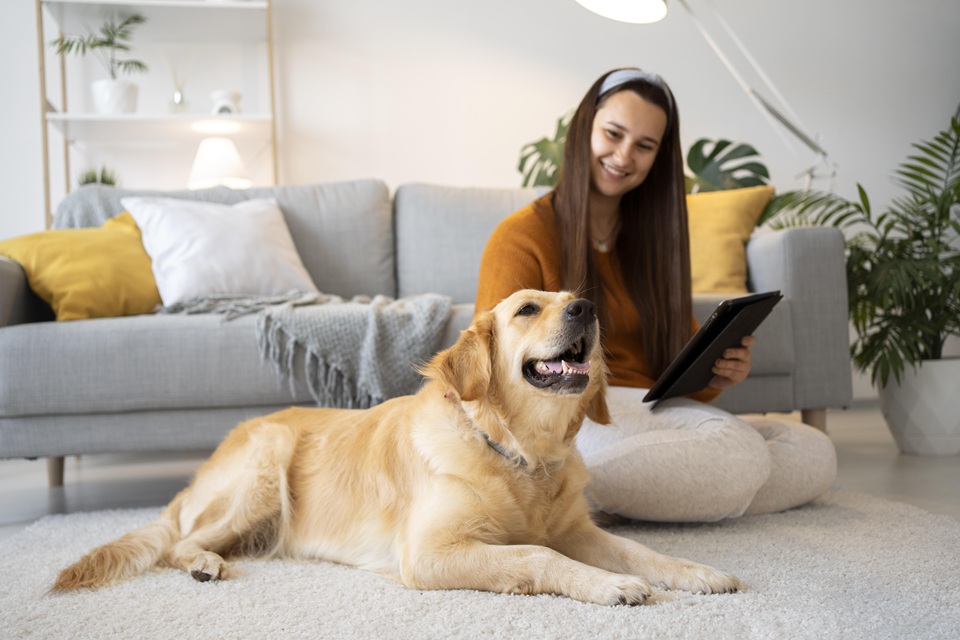
- Discover a variety of indoor activities to keep your dog entertained and active.
- Learn how to create DIY games and exercises that cater to your dog’s instincts and energy levels.
- Understand the importance of mental stimulation and physical exercise for your dog’s overall well-being.
Finding creative ways to engage your dog indoors can be immensely rewarding, and most importantly, it nurtures your bond and keeps your dog happy and healthy. Besides the mental stimulation and exercise these activities provide, sharing this time together gives your dog a sense of security and fulfillment. For those seeking inspiration and supplies, Wagmore offers a variety of toys and accessories designed to enhance your indoor play sessions.
Whether you have an energetic puppy or a calm senior dog, there is a wealth of home-based activities to help you keep boredom at bay. With simple tools, household items, and a bit of imagination, you can transform any indoor environment into an engaging playground for your furry friend. Exploring these games and routines addresses both your dog’s instinctual needs and their desire for companionship.
A consistent mix of mental and physical activities is crucial for a dog’s overall well-being. Dogs thrive when challenged and allowed to express natural behaviors, even within the comfort of your home. These activities help prevent destructive tendencies that can arise from boredom or excess energy.
No matter your dog’s age or energy level, you will find options here that not only entertain your pet but also strengthen your bond. With mindful supervision and consideration of your dog’s preferences, you can ensure every session is safe and enjoyable.
Interactive Toys & Puzzles
Interactive toys and puzzles are fantastic for keeping your dog engaged and mentally sharp. These clever devices encourage your dog to use their brain to unlock hidden treats or solve simple problems. Toy options range from puzzle boards and treat balls to complex interactive feeders. These activities help dogs satisfy their curiosity and offer a sense of achievement when they master new challenges. According to experts at the American Kennel Club, regular play with these toys supports cognitive development and can be a powerful motivator during training.
Hide & Seek Games
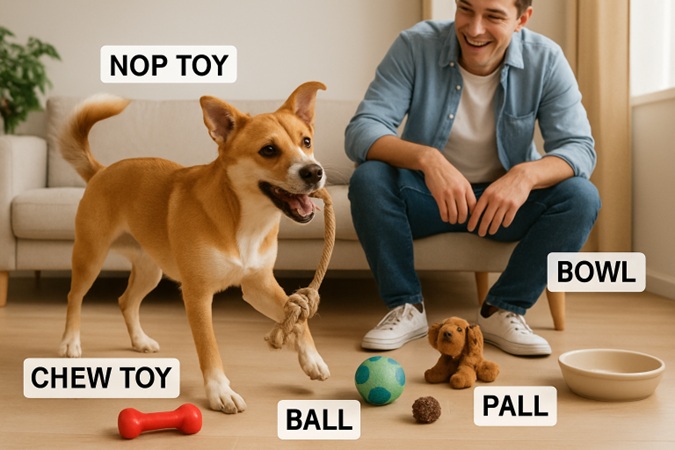
Hide-and-seek is a classic game that can turn any rainy day into a fun adventure. You can use treats, kibble, or your dog’s favorite toys and hide them in various spots around the house. Let your dog watch as you hide an item, then encourage them to search and find it. Over time, you can make the game harder by choosing trickier hiding spots or increasing the number of hidden objects. The sense of discovery and the satisfaction of finding a prize give your dog both mental and sensory stimulation.
DIY Agility Courses
Setting up a do-it-yourself agility course in your living room or hallway is easier than you might think. Use pillows for hurdles, broomsticks for jumps, and chairs or tunnels made of blankets for crawling under and through. Guide your dog through each obstacle using treats or verbal praise, gradually increasing difficulty as your dog gains confidence. DIY agility training enhances your dog’s coordination, strengthens their muscles, and can even improve obedience. It’s a versatile option, as you can adapt the course to suit your dog’s size and age. These courses also give dogs an outlet for natural behaviors and may prevent boredom-related mischief.
Teaching New Tricks
Learning doesn’t stop with basic commands. Teaching your dog new tricks, from shaking paws to more advanced moves like rolling over, challenges their intellect and builds trust. Positive reinforcement is the most effective method; use treats, praise, or a favorite toy as motivation. Daily trick-training sessions, even if short, help keep your dog’s brain active and engaged. Dogs of all ages can benefit, and mastering a new trick can boost your pet’s confidence and eager-to-please attitude.
Tug-Of-War
Tug-of-war is a beloved classic that helps dogs release excess energy in a safe, constructive way. Choose a sturdy rope or rubber toy made for dogs. Maintain gentle control and encourage your dog to release the toy on command using treats or a happy voice for reinforcement. Playing tug is not just about physical exercise; it helps teach impulse control and reinforces your relationship. Be sure to keep the game friendly and fun, letting your dog win occasionally to increase their enthusiasm and confidence.
Flirt Pole Play
Flirt poles are great for high-energy dogs that love to chase but do not have a backyard to run in. These exercise tools feature a stick or pole with a lure on a rope, allowing you to mimic prey movements for your dog to chase and “catch.” Flirt pole play satisfies natural hunting instincts while providing an intense workout in a small space. Remember to use controlled motions and avoid overly abrupt maneuvers to protect your dog’s joints. This activity not only burns off energy but also sharpens your dog’s focus and self-control, as they learn to follow cues and wait for permission to chase.
Baking Dog Treats
Cooking up a batch of homemade dog treats is both a creative project and a delicious reward for your dog. Choose recipes that prioritize wholesome ingredients—peanut butter, pumpkin, and oats are popular options. Baking together can be especially fun for families with children, offering a safe and engaging way to include kids in pet care. Make sure to avoid toxic foods for dogs, such as chocolate, garlic, and raisins.
Relaxation Protocol
Introducing a relaxation protocol, such as Karen Overall’s approach, can teach your dog valuable patience and calm. The method involves guiding your dog onto a mat, then rewarding them for remaining relaxed as mild distractions occur nearby. Over time, these techniques help your dog develop strong impulse control and a reliable “settle” command on cue, making it easier to manage excitement or anxiety at home. Practicing relaxation methods is especially helpful for dogs who tend to get overstimulated or stressed indoors.
Final Thoughts
Incorporating these engaging activities into your routine can transform your home into a dynamic environment for your dog. Each activity offers unique benefits, from mental stimulation and exercise to building positive behaviors and deepening your bond. Pay attention to your dog’s individual preferences, offer variety, and always supervise indoor games to ensure a safe, enjoyable experience for all.