
Today, the relentless pace of digital innovation is driving organizations to search for practical, scalable tools that foster efficiency and sustainable growth. Cloud solutions are central to this push, revolutionizing how companies manage their operations, serve customers, and create new value propositions. By offering immediate access to cutting-edge resources and nearly limitless scalability, the cloud flattens traditional business barriers and unlocks a new realm of possibilities for all sectors. Businesses interested in leveraging these modern platforms should consider consulting with technology partners like Design Data to navigate their transformation journey effectively.
As industries strive to maximize their competitive capabilities, cloud computing stands out for its unparalleled speed, flexibility, and impact on business continuity. From enhancing collaboration to fostering resilience, the benefits stretch far beyond mere data storage. Companies that harness cloud solutions rapidly adapt to market trends, optimize their operations, and forge innovative paths to growth, which are essential in today’s marketplace.
Enhancing Agility & Scalability
One of the defining attributes of cloud computing is its transformative effect on agility and scalability. Traditionally, businesses struggled with slow provisioning of hardware and software resources, directly impacting their ability to innovate and respond to change. The cloud has changed this paradigm, allowing organizations to deploy resources as needed, scale quickly based on demand, and experiment with new ideas without incurring high upfront costs. According to Forbes, this capability is critical for responding to sudden growth opportunities and for pivoting as markets evolve quickly.
Cost Efficiency & Resource Optimization
Cloud solutions are instrumental in driving cost efficiency by reducing the need for substantial IT investments and ongoing maintenance. Businesses can not only minimize capital expenses tied to physical infrastructure but can also optimize operational costs through pay-as-you-go models. This flexibility ensures that organizations only pay for what they use, leading to more predictable budgeting and improved resource management. As highlighted by American Business Times, integrating automation and analytics tools into cloud environments further enhances operational efficiency and provides greater visibility into resource consumption.
Improving Collaboration & Communication
Modern organizations depend on effective collaboration to bridge departments and geographies. Cloud platforms empower teams with real-time access to shared documents, communication tools, and workflow automation across devices and locations. For companies with distributed workforces, this means streamlined processes, fewer errors, and the agility to quickly pivot as projects evolve. Cloud collaboration tools have become essential for maintaining productivity and business continuity, particularly during global disruptions that necessitate remote work arrangements. As noted in IBM Community, these integrated capabilities reduce time-to-market and drive measurable productivity gains.
Strengthening Security & Compliance
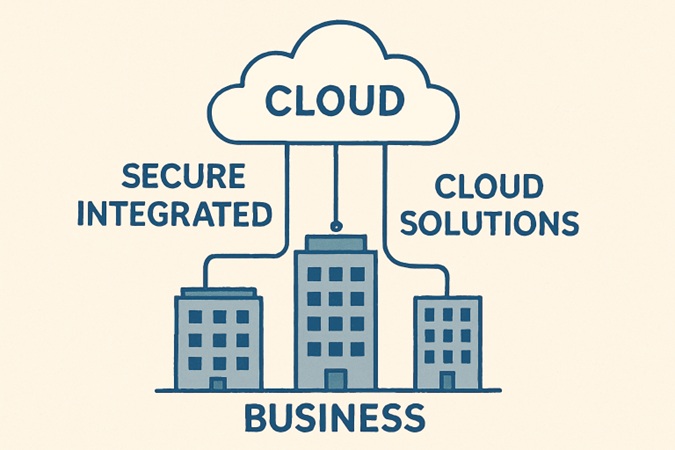
As digital threats evolve, security and compliance demands have become top priorities for businesses leveraging cloud solutions. Leading cloud service providers invest heavily in cutting-edge security measures, including automated monitoring, encryption, and advanced access controls, to protect sensitive data. Additionally, managed cloud partners offer strategic governance services that help organizations comply with industry regulations, minimize risk, and enable operational agility. These best practices are vital for businesses aiming to maintain trust and resilience in increasingly complex cloud ecosystems.
For additional strategies to ensure compliance and data integrity, consider the insights from CSO Online’s guide to cloud security. This resource provides further practical recommendations for multi-cloud compliance and risk management.
Leveraging AI & Analytics
Cloud environments facilitate rapid integration of artificial intelligence and machine learning tools, empowering organizations to enhance customer engagement and streamline operations. By leveraging large-scale cloud-based data analytics, businesses can gain deeper insights into behaviors, operational patterns, and emerging market trends. This real-time intelligence enables smarter decision-making and the creation of proactive, personalized products and services. As detailed by Cloud Computing News, cloud-based machine learning capabilities are helping companies build predictive models and optimize their digital strategies for greater business impact.
Facilitating Remote Work
The cloud’s flexibility is particularly significant, most visibly in the rise of remote and hybrid work models. By providing secure, anytime access to critical applications and data, companies of all sizes can support employees regardless of their location. Cloud-hosted virtual desktops, communication tools, and project management applications enable remote teams to collaborate efficiently, safeguard information, and maintain productivity. The resilience of cloud infrastructure also ensures better disaster recovery and business continuity planning, imperative as businesses adapt to evolving future-of-work demands.
Real-World Examples Of Cloud Transformation
Practical case studies illustrate the wide-reaching benefits of cloud implementation. Take, for example, a well-known home appliances manufacturer that migrated from on-premises data centers to cloud-based solutions. The result was a marked increase in system flexibility and agility, and a reduction in downtime. Today, this company conducts over 80 percent of its core business transactions in the cloud, enabling 24/7 global operations and freeing up resources for continuous innovation without the need for large capital investments. Such success stories are becoming the norm as enterprises embrace cloud-native solutions to overcome the limitations of legacy systems. More real-world transformations are described in Forbes Insights.
Conclusion
The adoption of cloud solutions marks a pivotal shift in how organizations approach their digital strategy. It unlocks the agility to innovate quickly, improve operational efficiency, and boost security while reducing costs and supporting a globalized, mobile workforce. By embracing the full potential of cloud computing and partnering with trusted technology advisors, businesses are better positioned to achieve lasting growth and resilience in an increasingly competitive marketplace.