
Key Takeaways:
- Transit-oriented developments (TODs) are a strategic response to mounting housing shortages and urban congestion, encouraging sustainable city planning.
- Gentrification can drive neighborhood renewal, but it also raises challenging questions about affordability and displacement.
- Innovation in transportation technology and demographic shifts directly affect housing demand and urban design.
Urban environments are undergoing profound transformations, and the housing market stands at the heart of these changes. Shifting patterns in urban development, affordability concerns, and evolving preferences among homebuyers continually redefine city landscapes. Today, cities must balance growth, affordability, and livability, from expanding housing near public transportation to addressing the societal impact of gentrification. For anyone interested in making a move or understanding the forces guiding city living, learning how these market shifts affect neighborhoods is crucial. Explore Homes for Sale in San Francisco to see firsthand how evolving housing trends shape major metropolitan areas.
Understanding the relationship between housing policy, market trends, and urban form helps policymakers, developers, and residents create more inclusive, sustainable neighborhoods. This growing nexus impacts everything from cost of living to daily commutes, creating ripple effects on culture, economic opportunity, and community identity.
Transit-Oriented Developments: A Solution To Housing Shortages
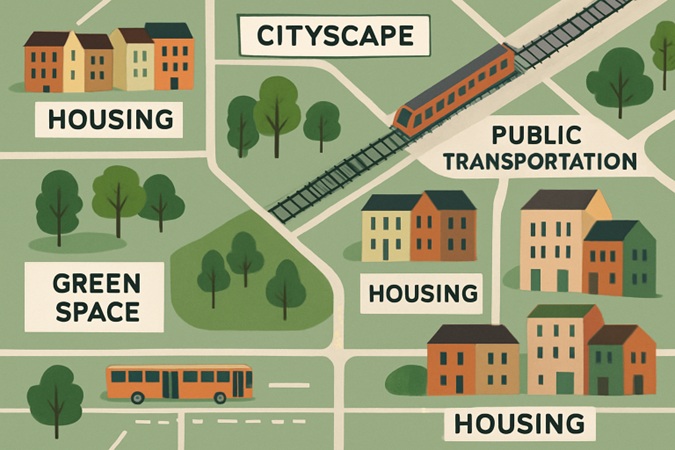
Transit-oriented developments (TODs) have emerged as a vital urban planning tool to address housing shortages while encouraging environmental sustainability. Cities like Los Angeles and Boston are investing in affordable housing units near public transportation. This strategic approach reduces congestion and air pollution while increasing residents’ mobility and access to jobs. In many cases, TODs spur local economic growth and offer a pathway to more balanced urban expansion. Yet, communities often face obstacles ranging from restrictive zoning laws to the complexities of financing large-scale, mixed-use projects. For further insights on the intricacies cities face in implementing TODs,
Gentrification & Its Impacts On Urban Communities
Gentrification often follows large infrastructure investments and new amenities, especially in historically underserved neighborhoods. In Atlanta, the influx of corporate investors buying single-family homes has increased property values, rent, and living costs, often pushing out long-term residents who can no longer afford to stay. While gentrification can revitalize neglected areas by attracting new businesses and residents, it simultaneously risks eroding the cultural fabric and identity of established communities. Policymakers are challenged to find a middle ground that ensures urban revival doesn’t come at the expense of social equity or community history.
Technological Influences On Housing Markets
Recent advances in transportation technology, such as ridesharing platforms, are significantly affecting urban housing dynamics. Research reveals that the introduction of services like Uber and Lyft can drive up property prices in areas once considered “off the grid” for traditional transit, altering city demographics and increasing the risk of gentrification. Digital tools and apps are also making real estate transactions more efficient and transparent, empowering buyers and sellers while exerting pressure on traditional industry models. These innovations highlight the interconnected nature of technology, housing values, and urban migration patterns. For data-driven perspectives, The Wall Street Journal’s housing market section regularly covers the impact of technology-driven trends nationwide.
Changing Demographics & Housing Preferences
Demographic transitions, especially the rising influence of Millennials and Gen Z, are reshaping urban residential patterns. Younger buyers today gravitate toward smaller, more functional living spaces, with a preference for minimalist and brutalist designs over traditional layouts. In Atlanta, this has resulted in new approaches to development and marketing: properties are now staged and reimagined to appeal to these tastes, underscoring the need for residential flexibility as urban populations diversify. Meanwhile, retirees and remote workers are seeking walkable, amenity-rich communities, prompting a diversification in housing types and neighborhood planning to meet the spectrum of residents’ needs.
Policy Initiatives & Urban Planning
Cities at the forefront of housing innovation are rethinking zoning and land-use regulations to achieve greater density and affordability. Minneapolis’s landmark decision to abolish single-family zoning opened the door to duplexes and triplexes across the city, thereby expanding the city’s housing supply. In other global examples, Auckland’s Urban Density Plan has similarly expanded housing options, setting a precedent for embracing change in city development. These policy advances are driven by the need to accommodate rapid population growth while maintaining livable, vibrant urban environments.
Conclusion
The evolving relationship between housing markets and urban life is complex. By understanding the interconnected roles of policy, technology, demographics, and development strategies, cities can position themselves for inclusive growth. As housing becomes more intertwined with mobility, equity, and innovation, stakeholders from individual homebuyers to government agencies play a key role in shaping the future of urban living for everyone.