Key Takeaways:
- A useful practice plan begins with one measurable goal.
- Recent scorecards offer better direction than guessing at weaknesses.
- Putting, short game, full swings, and course management all deserve attention.
- Practice becomes more transferable when targets, clubs, lies, and shot demands change often.
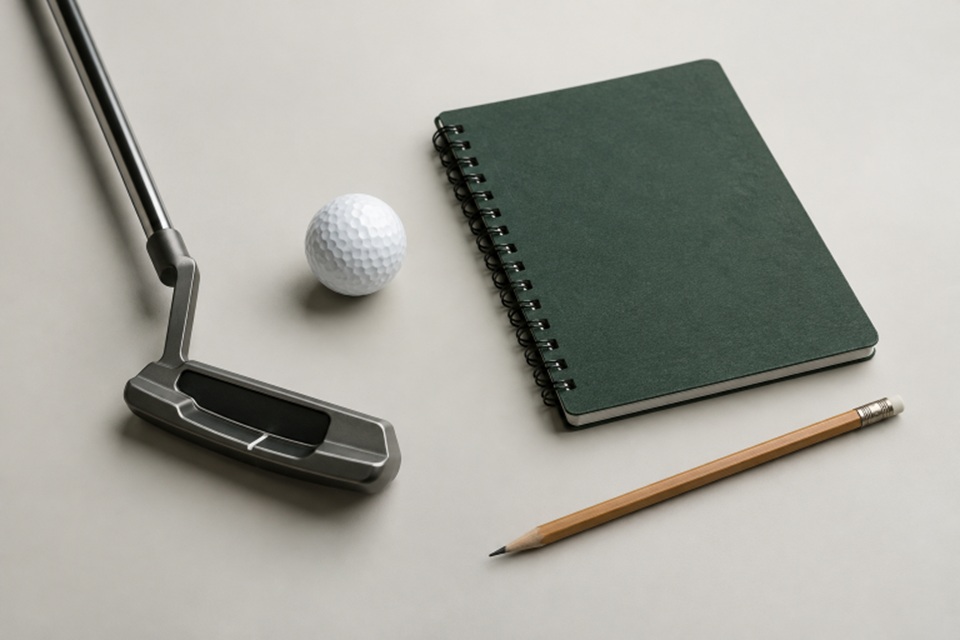
- Brief notes can reveal patterns that are easy to overlook after a round.
Florida golfers have a rare advantage: a long playing season, abundant practice facilities, and courses that regularly ask for creativity around water, sand, wind, and fast-growing turf. The challenge is making that access count. A golf school can provide hands-on direction, but lasting improvement also depends on what happens during the practice sessions between lessons and rounds.
A smarter plan does not mean spending every free afternoon hitting a large bucket of balls. It means identifying the shots that cost the most strokes, practicing them intentionally, and checking whether the work carries over to the course. Whether you play in Tampa, Vero Beach, Fort Myers, or another Florida golf community, a simple structure can make practice feel more focused and less frustrating.
Why Random Practice Often Falls Short
Hitting the same club toward the same open area can feel productive because it creates repetition. However, golf on the course is rarely repetitive. Each shot has a different target, lie, club, distance, and consequence. A recent analysis of more than 250,000 professional range shots found that tour players commonly changed yardage windows after only a few shots, rather than staying on one shot for long stretches. Those practice patterns from professional range sessions offer a useful reminder that structure matters more than simply using up every ball in the bucket.
Random practice also tends to favor comfortable shots. A player may hit driver repeatedly because it is enjoyable, while ignoring the 30-yard pitch, six-foot putt, or conservative tee shot that repeatedly creates trouble during a Florida round. Purposeful practice asks a better question: which skill would most improve the next scorecard?
Start With One Clear Goal
Choose one primary goal for the next four to six weeks. Keep it specific enough to measure and narrow enough to guide decisions. Good examples include:
- Reduce three-putts during each round.
- Keep more tee shots in play and avoid penalty strokes.
- Improve contact and distance control with approach shots.
- Lower the number of strokes used from inside 100 yards.
Trying to rebuild every part of the game at once usually produces scattered sessions. Write the goal down in plain language, then make each practice block support it. A golfer focused on fewer three-putts should devote more time to speed control than to searching for a new driver swing thought.
Use Your Scorecard As A Guide
Memory after a round is selective. One poor drive may stand out more than several missed short putts or conservative opportunities that were not taken. Track a few simple details over three to five rounds before changing the entire routine:
- Penalty shots and lost balls.
- Putts on each hole, including three-putts.
- Missed short putts and the approximate distance.
- Greens missed from inside a comfortable approach range.
- Common short-game situations, such as tight lies, sand, or thick rough.
This is especially useful on Florida courses, where water hazards, greenside bunkers, uneven lies, and summer rough can expose the same weakness several times in one round.
Build A Balanced Weekly Plan
A weekly schedule does not need to be complicated. For a single 90-minute session, divide time by purpose:
- Putting, 20 minutes: Start line and distance control.
- Short game, 25 minutes: Chips and pitches from changing lies and landing areas.
- Approach shots, 30 minutes: Contact, target selection, and realistic distances.
- Driving, 15 minutes: Fairway targets, dispersion, and a reliable tee-shot routine.
Then schedule on-course play at least once a week when possible. The course is where club selection, emotional control, and recovery decisions are tested under real conditions.
Practice Putting With A Purpose
Putting practice should include a target, a routine, and a way to measure the result. Spend time on short putts that build confidence, then move to longer putts where the goal is finishing within a comfortable second-putt range. For breaking putts, choose a start line before the stroke and evaluate whether the ball began on that line.
Use simple challenges. Make eight of 10 putts from a chosen short distance before moving back, or roll 10 lag putts toward a marker and count how many finish within a defined circle. On greens affected by Florida heat and rain patterns, speed can vary from one day to the next, so learning to judge pace is as important as repeating a stroke motion.
Make Short-Game Practice More Realistic
Do not hit 20 identical chips from a perfect lie. Rotate among fairway turf, light rough, tight grass, uneven ground, and bunker shots when the facility allows it. Change the landing spot and target after every few attempts. Better yet, use one ball and play each shot as if it mattered.
Success is not limited to holing the shot. A smart choice that finishes safely below the hole may be better than an aggressive attempt that would bring water or a deep bunker into play.
Turn Full-Swing Practice Into A Test
Begin with a few easy wedge swings, then choose a precise target for every ball. Change clubs frequently and include the pre-shot routine used on the course. Instead of remembering only the best strike, notice the overall pattern. If eight iron shots finish consistently right of the target, that dispersion pattern is more helpful than one excellent shot.
Separate technical work from target-based work. Technical practice may involve one change suggested by an instructor. Target practice should focus on the shot, the intended curve, and the landing area. Both have value, but they serve different purposes.
Add On-Course Decision Practice
Range success does not automatically become scoring success. During a casual nine holes, practice selecting safe targets, choosing layup distances, and recovering after a poor swing. Play one ball, follow your routine, and treat each shot as part of a real score.
Personalized practice tools increasingly use round statistics to direct golfers toward their weaknesses. One recent example shows how golfers can enter performance data and receive a plan focused on the areas most likely to affect their scoring, reinforcing the value of targeting weaknesses with performance data.
Use A Simple Practice Journal
After each session, record the date, goal, drills completed, and a short note about results. After each round, note what felt dependable and what felt uncertain. Review those notes every two or three weeks. The journal does not need to be elaborate. Its job is to show whether the practice plan is solving the right problem.
Know When To Ask For Coaching
Consider coaching when the same error persists, a physical limitation affects the swing, or regular practice is not producing clearer results. Good instruction should provide clear feedback and a plan that the player can follow independently, rather than leaving the player with a list of disconnected tips.
A Four-Week Florida Golf Action Plan
- Week One: Track mistakes during rounds and select one main goal.
- Week Two: Build practice sessions around putting, short game, approach play, and driving.
- Week Three: Add changing targets, varied lies, and on-course decision challenges.
- Week Four: Review scorecards and journal notes, then choose the next priority.
Conclusion
A better golf practice plan does not require endless hours or complicated technology. It starts with clear goals, honest feedback, and drills that prepare you for the decisions you will face on Florida’s courses. Focus on the shots that matter most, and let every purposeful session bring you closer to standing over the ball with confidence, seeing your target clearly, and watching your next shot land exactly where you intended.