Key Takeaways:
- Start with your household’s daily routine and priorities.
- Compare Bethesda areas based on commute, services, walkability, and lifestyle.
- Consider housing type, maintenance, parking, storage, and future needs.
- Calculate the full cost of ownership, not just the purchase price.
- Verify school assignments, taxes, insurance, and association costs.
- Test transportation routes at realistic times before buying.
- Inspect the property’s condition, systems, and repair history.
- Use a scorecard to objectively compare homes and neighborhoods.
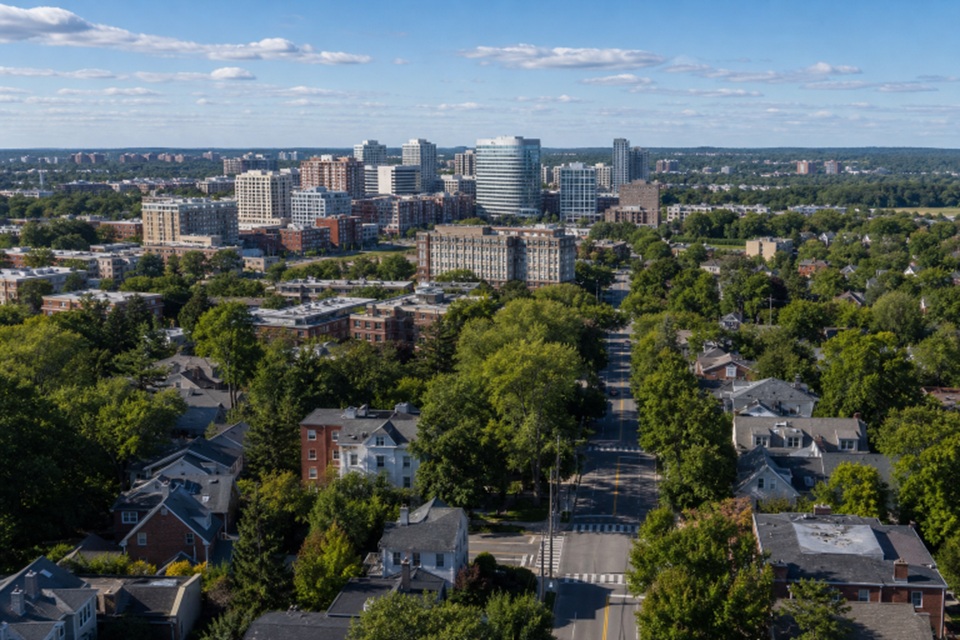
Choosing a home in Bethesda, Maryland, is not only about finding the right number of bedrooms or an appealing kitchen. The better question is whether a location supports the way you actually move through a normal week, from work and school to errands, exercise, dining, and downtime. Buyers reviewing Bethesda MD homes for sale can use Catherine Triantis’s Bethesda real estate page to explore available properties alongside neighborhood context. Catherine Triantis focuses on home searches, pricing guidance, and transaction support in Bethesda and nearby Chevy Chase, helping buyers compare options at the street and property level.
A home that looks ideal online can feel very different when a school drop-off adds twenty minutes, parking is difficult, or the nearest grocery store requires an extra trip. Start with daily life before falling in love with finishes, lot size, or a particular architectural style.
Start With Your Normal Routine
Write down the five places your household visits most often. Include work, school, childcare, groceries, fitness, relatives, transit, or weekend destinations. Then estimate travel time from every home you are considering during the hours you would actually travel.
A shorter commute, a walkable errand route, or easy trail access may provide more value to your routine than additional square footage. Consider who needs a car, who can walk, and whether the household’s needs could change over the next several years.
Compare Bethesda Lifestyle Areas
Downtown Bethesda can suit residents who want restaurants, shops, services, and Red Line access close by. Nearby residential blocks may offer a more traditional neighborhood setting while remaining close to the downtown core. Established areas farther from downtown often appeal to buyers seeking quieter streets, more privacy, and larger yards. North Bethesda can be worth considering for households drawn to newer housing, mixed-use destinations, and access near Grosvenor and Strathmore.
Match The Home Type To The Household
Condos can reduce exterior maintenance and place residents near services, but monthly association fees and building rules deserve close review. Townhomes may provide more space than many condos without the full upkeep of a detached house. Older single-family homes can offer character, mature landscaping, and larger lots, while also requiring careful attention to repairs and updates. Renovated homes and new construction may reduce the number of near-term projects, but buyers should still inspect workmanship, drainage, and systems.
Before narrowing the search, decide how much each of storage, parking, outdoor space, stair climbing, and future accessibility matters. These details affect daily comfort long after moving day.
Build A Complete Budget
Purchase price is only one part of affordability. Build a monthly estimate that includes the mortgage, property taxes, homeowners’ insurance, utilities, association fees, maintenance, and transportation. Keep separate funds for inspections, moving, furnishings, and immediate repairs.
Broad market statistics are useful only as a starting point because Bethesda prices can vary substantially by home type, condition, location, building amenities, and lot characteristics. Compare recent sales that closely resemble the home you want instead of assuming a neighborhood-wide figure applies to every property.
Test Transportation Before You Commit
Homes near the Bethesda Metro station may work well for households that regularly use rail, while other locations may depend more heavily on driving, buses, or a combination of both. Wisconsin Avenue, Old Georgetown Road, and the Capital Beltway can shape access, traffic, and noise.
Test routes during the morning commute, after work, and on a weekend. A map estimate may not account for parking, school queues, construction, weather, or the time needed to reach the station from your front door.
Look Beyond A School’s Reputation
Families should confirm public-school assignments for the exact property address, rather than relying on a listing or a neighborhood name. Montgomery County Public Schools provides a school assignment tool that can help buyers begin that address-specific check.
Also consider transportation, before- and after-school care, academic programs, sports, libraries, parks, tutoring, and the length of the daily trip. The strongest fit is personal, not universal.
Walkability, Parks, & Everyday Services
Walk the area at different times of day. Notice sidewalks, crossings, lighting, street activity, parking patterns, and noise. Check how easily you can reach groceries, pharmacies, coffee shops, restaurants, parks, trails, and community facilities. Local safety information can add useful context, but no single rating should replace repeated visits and careful observation.
Review The Property, Not Just The Address
Inspect roof age, grading, and drainage, foundations, windows, electrical service, plumbing, HVAC equipment, insulation, and signs of moisture. For condos and townhomes, request association documents covering reserves, assessments, maintenance plans, rental restrictions, pet policies, and parking rights. For older homes, review permits for major renovations when available. Use a professional inspection whenever the contract allows.
Use A Simple Neighborhood Scorecard
Rate each finalist from one to five, then give extra weight to what affects your routine most often:
- Downtown Bethesda: commute and walkability may score highly, while space and quiet may vary by building or block.
- Close-in residential area: may balance access to downtown with yards, detached homes, and neighborhood streets.
- Larger-lot suburban setting: may offer more outdoor space and privacy, with more driving for errands and transit.
Include commute, total cost, housing type, school needs, outdoor space, noise, walkability, and resale priorities. A written scorecard can keep one impressive showing from outweighing the factors that matter every day.
When Local Guidance Is Especially Useful
Local advice can be valuable when two nearby homes have different school assignments, tax details, building rules, commute patterns, or comparable sales. Ask any real estate professional to explain recent nearby transactions, local inventory, likely inspection concerns, fees, and the services they will provide before you make an offer.
Common Questions
Which Bethesda areas are most walkable?
Downtown Bethesda and blocks near Bethesda Row generally offer convenient access to dining, shopping, services, and Metro connections.
Where can buyers find more space?
Residential areas outside the downtown core often provide larger homes and yards, although errands and commuting may require more driving.
Is a condo or a detached home better?
It depends on maintenance preferences, privacy, space, parking, monthly fees, and long-term flexibility.
Final Checklist Before Making An Offer
- Visit during the morning commute, after work, and on the weekend.
- Confirm school assignments, taxes, insurance, and association costs.
- Test routes to work, school, transit, and regular errands.
- Review major systems, repair history, and inspection findings.
- Compare recent similar sales and confirm the budget still works after repairs.
The right Bethesda neighborhood should make ordinary days easier, not simply look appealing in photos. A careful comparison of budget, commute, housing style, services, schools, and future plans can lead to a more comfortable purchase and a stronger long-term fit.