
Key Takeaways:
- Implementing a data-driven hiring process improves efficiency and decision-making, replacing guesswork with clear, actionable information at every stage.
- Utilizing analytics helps identify and attract top talent by continually refining sourcing channels, optimizing interview structures, and ensuring fairness throughout the process.
- Continuous monitoring and adjustment based on data insights lead to ongoing improvements, maximizing the impact of every hire across the organization.
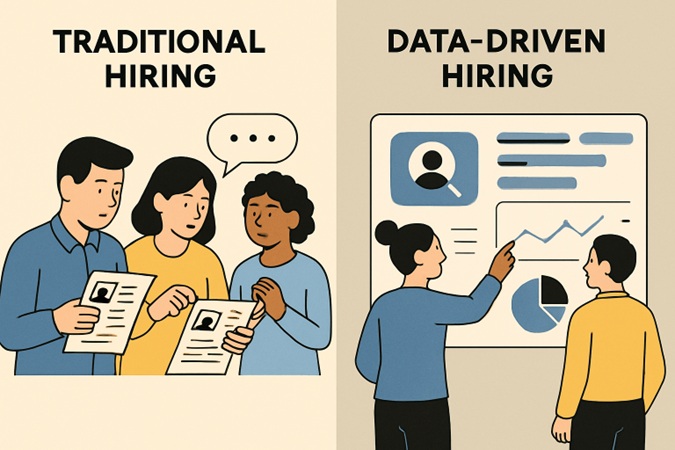
In a fast-paced and competitive recruitment landscape, hiring is no longer just about intuition and gut feeling. Modern employers are shifting toward data-driven hiring strategies, recognizing the importance of basing recruitment on empirical evidence. By shifting focus from subjective judgments to objective measures, organizations can eliminate inconsistencies that often plague traditional hiring methods. Harnessing analytics allows even mid-sized businesses to compete with larger corporations for talent, making the process efficient, repeatable, and scalable. Leveraging applicant software plays a vital role in this transition, supporting the continuous use of historical data to inform and fine-tune decision-making. As more organizations recognize the high costs of making poor hiring decisions and losing opportunities, making more intelligent, data-driven hiring decisions is quickly transitioning from a trend to a necessity, driven by actionable insights rather than assumptions or outdated practices.
The use of data-driven recruitment enhances decision-making by analyzing hiring metrics, thereby improving candidate quality and optimizing recruitment workflows. This approach enables companies to assess their hiring channels, pinpoint skill gaps, and optimize processes, ultimately leading to enhanced business success and compliance in a regulated labor market. By forecasting talent needs and employing predictive analytics, organizations can proactively engage with candidates, reduce time-to-fill, and build diverse, adaptable teams. Successful implementation requires strategic transparency, leadership support, and effective communication to foster a data-driven culture, ensuring that analytics complement the human aspects of recruitment.
Understanding Data-Driven Hiring
Data-driven hiring relies on a systematic framework of analytics and measurable results to evaluate and optimize every aspect of the recruitment life cycle. This includes collecting information on candidate sources, resume metrics, interview feedback, assessment scores, and post-hire performance indicators such as retention rates and job success. Organizations not only improve efficiency by focusing on metrics but also ensure their decisions are based on evidence rather than anecdotes or bias. By focusing on quantitative outcomes rather than subjective impressions, organizations can develop fairer and more effective recruiting practices. This scientific approach reduces costly mis-hires and provides valuable insights from sourcing and interviewing through onboarding and retention, making each hiring cycle brighter than the last.
Benefits Of A Data-Driven Approach
- Enhanced Efficiency: Automates repetitive tasks such as resume screening and candidate filtering, allowing hiring teams to focus on high-value activities. These efficiencies become especially critical for organizations experiencing rapid growth or dealing with large applicant volumes. Metrics highlight where processes lag, enabling timely interventions that keep workflows moving smoothly and free up valuable recruiter time.
- Improved Quality of Hires: Data analysis identifies which hiring channels and candidate profiles lead to successful long-term employees, refining sourcing tactics and criteria. By using these insights to tailor recruitment marketing and candidate outreach, companies can consistently attract higher-caliber talent and minimize the risk of a poor fit.
- Reduced Bias: By prioritizing structured data, hiring teams can systematically mitigate unconscious bias. Standardized scoring rubrics and blind assessments support diversity, equity, and inclusion (DE&I) goals, ensuring candidates are evaluated on relevant qualifications—not background, name, or demographic information.
Steps To Develop A Data-Driven Hiring Process
- Define Key Metrics:
Set clear, relevant metrics for your hiring process—including time-to-fill, cost-per-hire, source of hire, quality of hire, and candidate satisfaction scores. Take time to identify which metrics align best with your organization’s unique hiring goals and values. Defining these baseline metrics ensures that progress is measurable from the outset and helps prioritize areas that need immediate attention.
- Collect and Analyze Data:
Gather data at every recruitment stage using reliable tools like applicant tracking systems (ATS) and digital feedback surveys. Standardize your data collection forms and encourage consistent input among recruiters and interview panelists. Regular data analysis helps provide actionable insights, such as which channels bring in the most qualified or diverse candidates, or which assessment methods best predict post-hire performance.
- Implement Predictive Analytics:
Use historical data to forecast hiring needs and the likelihood of candidate success. Predictive analytics models can identify which applicants are statistically most likely to thrive in specific roles, helping you build a pipeline of strong future hires. These models can also identify gaps in skillsets across teams or departments, allowing hiring managers to address critical needs proactively.
- Optimize Job Descriptions:
Evaluate which types of language and requirements attract the best talent by analyzing application rates, candidate quality, and diversity outcomes for every posting. Use this information to update job ads with more inclusive or relevant requirements regularly. Regularly update job ads based on this data to reach a broader and more qualified audience—see Harvard Business Review for more tips on inclusive descriptions.
- Monitor and Adjust:
Continuously review and refine your process. Utilize real-time dashboards to pinpoint bottlenecks, drop-off points, underrepresented demographics, or areas where candidate quality can be enhanced. Act on these insights—for example, by adjusting advertising spends, revising interview questions, or expanding outreach to new sources—to drive ongoing process optimization and hiring success.
Tools & Technologies
Effective data-driven recruiting depends on the right technology stack. Key tools include:
- Applicant Tracking Systems (ATS): These platforms centralize candidate data and streamline tracking across sourcing, interviewing, and onboarding. ATS solutions reduce human error, improve record-keeping, and ensure a consistent candidate experience throughout the hiring life cycle.
- Recruitment Analytics Software: Advanced analytics tools visualize real-time metrics and hiring trends, helping companies pinpoint sources of delays, measure conversion rates, and spot opportunities quickly. These dashboards empower leaders to course-correct in real time and make data available organization-wide for maximum impact.
- AI-Powered Screening Tools: Artificial intelligence tools can analyze resumes at scale, rapidly matching candidates to job requirements and flagging top contenders for further review. AI engines can also help reduce bias by anonymizing personal information and ensuring candidates are selected based solely on their skills and experience.
External Resources
Staying updated on the latest HR and hiring best practices is crucial. Many organizations benefit from ongoing education and benchmarking against current industry norms. For more comprehensive information about designing and improving data-driven recruitment systems, visit SHRM’s Talent Acquisition Resources.
Challenges & Considerations
Transitioning to a data-driven recruitment process brings several challenges:
- Data Privacy:
- Recruiters must comply with relevant data protection regulations, such as the GDPR in Europe or the CCPA in California, ensuring that candidate information is gathered transparently and managed securely throughout the recruitment process. Building candidate trust around data handling is vital, and organizations should be prepared for regular audits of hiring and retention data practices.
- Bias in Data:
- Bias can be embedded in historical data or reinforced by algorithms built on non-diverse or unrepresentative datasets. Regular audits, bias mitigation protocols, and updates to both data sets and screening tools are necessary to avoid perpetuating inequities, support diverse pipelines, and foster an inclusive workplace.
- Change Management:
- Adapting to new systems, workflows, and technologies requires robust training and ongoing communication to ensure seamless integration. Engaging stakeholders early—especially leadership and hiring managers—ensures sustained enthusiasm and adoption of the new process. This helps maximize the benefits of data-driven hiring and fosters a culture that values transparency and continuous improvement.
Conclusion
Incorporating a data-driven hiring process enables organizations to make more objective and informed decisions at every recruitment phase. By embracing analytics, ongoing process refinement, and the latest technology, companies not only accelerate hiring but also elevate the overall quality and diversity of their workforce. In today’s talent market, data is not just a competitive advantage—it’s a necessity for long-term recruiting success. Taking these strategic steps today enables organizations to grow, adapt, and prosper in a future where innovation begins with the right people on board.