Effective pest control is essential for ensuring clean, safe, and comfortable surroundings in both residential and commercial spaces. Recent advances in pest management technology and heightened awareness of environmental concerns have transformed how pests are managed, offering property owners smarter, safer, and more sustainable solutions. For those dealing with wildlife intrusions, a Newton wildlife exterminator for safe and humane exclusion is highly recommended. Emphasizing humane practices helps reduce risks to non-target species and supports a healthier ecosystem overall.
As pest pressures rise in urban and suburban environments, modern pest control services cater to demand for methods beyond chemicals alone. Property owners can now choose integrated pest management programs, eco-friendly treatments, and technological innovations that target pests effectively while respecting human and environmental safety. These new approaches are designed to help eradicate infestations with minimal disruptions and to prevent future pest issues through strategic, ongoing management.
Beyond everyday insects and rodents, some pests pose unique challenges that require advanced knowledge and humane handling. Urban and suburban settings especially benefit from trained professionals who understand local pests and use both proactive and preventive measures. These innovations are increasingly accessible, making it easier than ever for property owners to find targeted support that fits their specific situation.
Smart Pest Control Technologies
Technological advancements have fundamentally changed pest management. Many cities are deploying smart devices designed to help manage urban rat populations without introducing toxic substances. Connected devices monitor and control infestations with precision, providing safe rodent containment while reducing risk to humans and pets. Modern systems often include IoT sensors, remotely monitored traps, and data analytics that help pest control professionals identify patterns and improve treatment plans. These tools, while new, are already helping communities reduce complaints and implement more humane, effective methods. An example of this is how cities such as New York and Chicago use infrastructure integrated with these technologies to address post-pandemic rodent issues.
Eco-Friendly Pest Management Practices
As concerns about chemical use grow, eco-friendly solutions have become an industry standard for those seeking to balance effectiveness and environmental safety. Service providers are incorporating natural repellents, biological controls such as beneficial insects, and structural modifications that minimize the need for toxic substances. These practices are especially important in regions where local wildlife and beneficial insects play a vital role in the ecosystem. Companies with decades of experience have begun to emphasize green products and sustainable practices, giving residents a safer choice for long-term pest management.
Integrated Pest Management (IPM) Strategies
Integrated Pest Management (IPM) is a comprehensive approach that combines monitoring, prevention, and targeted intervention to minimize pesticide use and safeguard against pest resurgence. Key components include:
- Regularly identifying pests and determining the extent of infestations before treatment.
- Emphasizing exclusion, sanitation, and preventive maintenance to avoid conditions that attract pests.
- Using biological controls such as nematodes or predatory insects when appropriate.
- Applying chemical methods strictly when necessary, focusing on targeted treatments rather than broad-spectrum application.
Effective IPM programs require cooperation between property owners and trained professionals who can adapt strategies as needed over time.
Importance Of Regular Inspections & Maintenance
Pest problems often develop gradually. By scheduling regular inspections with knowledgeable specialists, homeowners and businesses can reliably detect and address issues early. Preventive maintenance, including thorough cleaning, sealing entry points, and managing landscaping, not only deters pests but also supports overall building integrity. This routine vigilance leads to cost savings and improved peace of mind, reducing the risk of major outbreaks or property damage.
Choosing The Right Pest Control Service
Working with an experienced pest control provider adds confidence to your management plan. Essential criteria include:
- Comprehensive expertise in regional pest species and the latest control technologies.
- Commitment to eco-friendly, safe treatments that minimize human and environmental exposure.
- Transparent communication, clear pricing, and a solid track record of customer satisfaction.
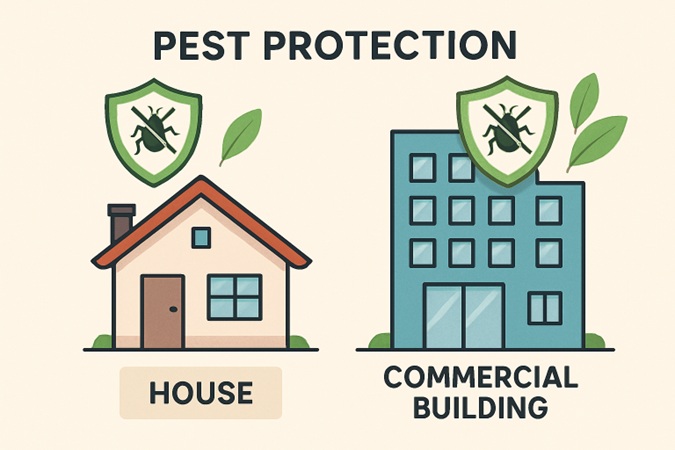
- The ability to tailor programs and services based on the needs of both residential and commercial properties.
Reputable services also prioritize customer education, providing guidance on ongoing prevention and sustainable practices.
DIY Vs. Professional Pest Control
DIY methods, such as store-bought traps or sprays, may suffice for isolated or minor pest problems. However, when infestations grow severe or involve regulated species, professional intervention remains necessary. Professionals possess the right equipment, training, and certification to manage complex cases, and their work is guided by up-to-date regulations and safety standards. Ultimately, leveraging expert support ensures comprehensive care, long-term prevention, and peace of mind.
Future Trends In Pest Control
The future of pest management is marked by rapid innovation and increased collaboration with technology providers. Emerging trends that will likely define the next decade include:
- Expanding use of artificial intelligence and machine learning to predict infestations and tailor solutions.
- Ongoing development and adoption of biodegradable products that break down safely in the environment.
- Greater use of smart home systems that detect and respond to pest activity automatically, providing immediate alerts and detailed reports to homeowners and pest professionals alike.
As public awareness grows and scientific insights deepen, these advancements will contribute to safer, more sustainable living and working environments.
Final Thoughts
Incorporating innovation and environmental care into your pest control strategy offers strong assurance to property owners facing today’s pest challenges. Researching and choosing the right solutions means you can protect your investment, boost your quality of life, and support a healthy planet for future generations.