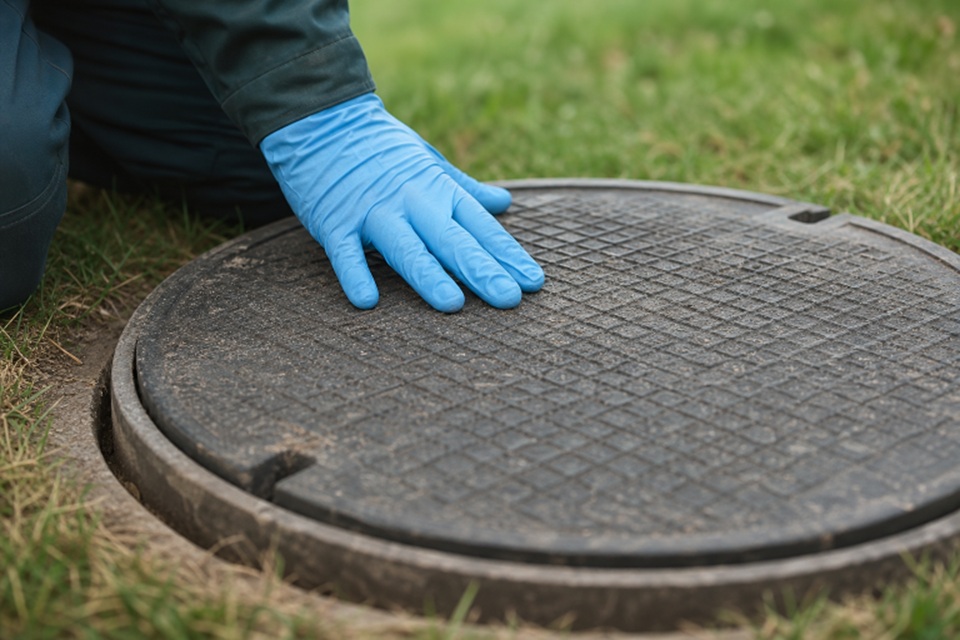
Key Takeaways:
- Routine inspections and pumping can reduce the chance of backups and premature system failure.
- Service timing depends on tank size, household size, water use, and the amount of solids in the tank.
- Only wastewater and toilet paper should go down toilets.
- Water-saving habits and drainfield protection support the entire system.
- Slow drains, odors, wet ground, and gurgling fixtures can indicate a developing problem.
- Waste removal, tank entry, inspections, and repairs should be handled by qualified professionals.
A septic system is easy to overlook when everything is working normally. However, routine attention can help prevent messy backups, protect the drainfield, and extend the system’s useful life. Keeping a record of inspections and arranging timely septic pumping are practical parts of responsible home maintenance.
The best approach is preventive rather than reactive. Homeowners do not need to handle waste removal or repairs themselves, but they can reduce strain on the system by using water carefully, practicing proper disposal habits, and taking quick action when warning signs appear.
How Septic Systems Work
Wastewater from sinks, showers, toilets, and appliances flows into an underground tank. Inside the tank, heavier solids settle into sludge while oils and lighter materials form a floating scum layer. Liquid wastewater leaves through an outlet and moves toward the drainfield, where soil provides additional treatment.
A septic tank is a settling and holding chamber, not a place where household waste simply disappears. The basic design of a septic tank system relies on both the tank and the surrounding soil, so a problem in either area can affect the home. Poor maintenance may also create property, health, and water-quality concerns.
Build A Practical Maintenance Schedule
Start With The System’s History
Begin by locating the most recent pumping receipt, inspection notes, permits, and installation records. Record the tank size, the number of people in the home, and the locations of the tank, access lids, distribution box, and drainfield. If records are missing, an inspection can establish a useful starting point for future maintenance.
Homeowners who need an assessment, scheduled maintenance, or help understanding an unfamiliar setup can review available septic services to build a practical care plan.
Use A Flexible Service Interval
Many conventional systems should be inspected every 1 to 3 years and pumped about every 3 to 5 years. The actual interval varies. A small tank, large household, garbage disposal, frequent laundry loads, high water use, older equipment, or past drainage issues may mean service is needed sooner.
Watch For Early Warning Signs
Septic trouble often starts with small changes, not a sudden whole-house backup. One slow sink may be a local plumbing clog, but several slow drains at once can point to a larger line, tank, or drainfield issue. Do not ignore sewage odors or wastewater that reaches the ground surface.
- Slow drains in more than one room
- Gurgling toilets or weak flushing
- Sewage odors indoors or outdoors
- Standing water or wet soil near the tank or drainfield
- Unusually green, lush grass over the drainfield
- Wastewater backing up into sinks, tubs, or toilets
Use Better Daily Habits
What enters the system matters. Flush only human waste and toilet paper. Wipes, diapers, paper towels, dental floss, feminine hygiene products, medication, and cat litter can build up or obstruct pipes. Keep grease, paint, solvents, and harsh chemicals out of drains, and use sink strainers to catch food scraps.
Water volume matters too. Repair running toilets and dripping faucets, spread laundry across the week, and avoid running several water-heavy appliances at the same time. Heavy rain can further limit drainfield performance when the soil is already saturated.
Protect The Drainfield
The drainfield needs open, uncompacted soil to accept and filter wastewater. Keep vehicles, sheds, pools, patios, and heavy equipment away from this area. Grass and other shallow-rooted plants are generally safer choices than large trees or shrubs, whose roots can interfere with pipes.
Also, direct roof runoff, sump-pump discharge, and surface water away from the septic area. A homeowner may fix indoor plumbing, but still experience repeat backups if vehicle weight, excess stormwater, or damaged soil is affecting the drainfield.
Know What Happens During Pumping
- The technician identifies the tank and opens the access points.
- The tank is inspected for visible damage, abnormal liquid levels, and component issues.
- Specialized equipment removes accumulated sludge and floating scum.
- Baffles, filters, lids, and accessible parts may be evaluated.
- The homeowner receives notes about the system condition and suggested next steps.
Pumping removes accumulated solids, but it does not repair a broken pipe, a failed pump, a blocked outlet, or a worn drainfield. Keep the service date and recommendations with the home’s maintenance records.
Avoid Common Septic Mistakes
- Waiting for a backup before arranging maintenance
- Treating additives as a replacement for pumping or inspection
- Using a garbage disposal without considering the added solids
- Pouring chemical cleaners, oils, or solvents into the system
- Planting large trees near septic components
- Covering access lids with hardscape or permanent landscaping
- Driving or parking over the tank or drainfield
- Entering a septic tank, which can expose a person to dangerous gases
Know When To Call For Help
Arrange a professional assessment promptly if sewage appears in the home or yard, several fixtures drain slowly, or strong sewage odors develop. An inspection is also sensible after buying a home with an unknown service history or before adding bedrooms, bathrooms, laundry equipment, or major plumbing fixtures. Check with local health or environmental authorities to determine whether permits or major repairs may be required.
Frequently Asked Questions
How Often Should A Septic Tank Be Pumped?
Many homes fall within a three- to five-year pumping range, but usage, tank capacity, household size, and solids levels determine the best timing.
Do Septic Additives Replace Pumping?
No. Additives should not replace inspection, pumping, careful water use, or proper disposal habits.
What Is The First Step After A Backup?
Limit water use, keep people and pets away from wastewater, avoid chemical drain cleaners, and arrange a professional evaluation.
Conclusion
Septic care is an ongoing home responsibility rather than an emergency-only task. A written maintenance schedule, smart daily habits, a protected drainfield, and an early response to warning signs can help the system work reliably for years.