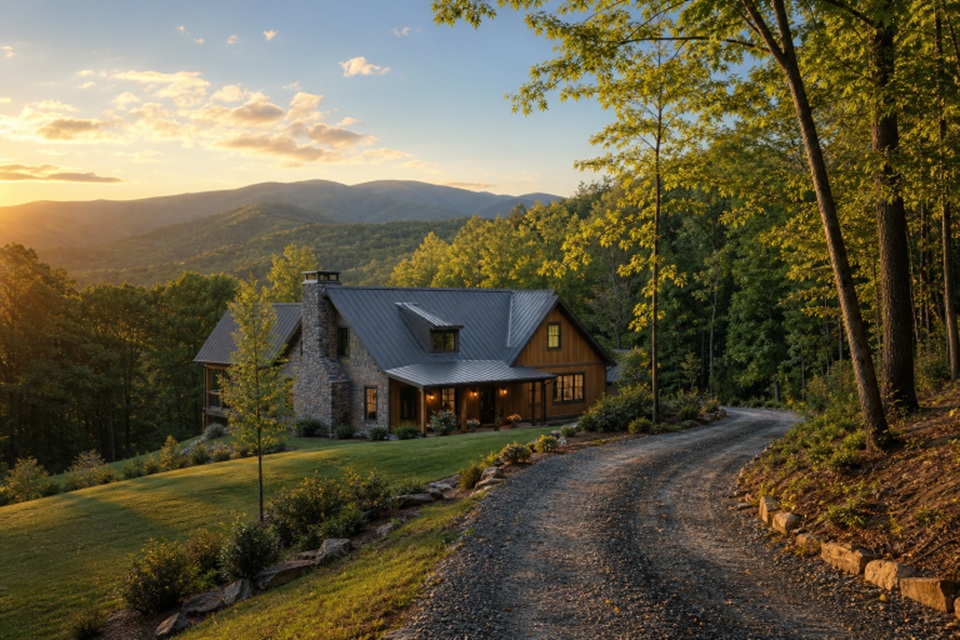
Rural homes offer room to breathe, privacy, wooded views, space for hobbies, and a slower daily rhythm. They can also come with responsibilities that are easy to miss during a first showing. Buyers comparing properties in North Georgia and Western North Carolina can benefit from a local perspective early in the process. The Blairsville GA real estate agent Lucretia Collins leads the Lucretia Collins Team, a residential and commercial real estate group serving North Georgia and Western North Carolina. With experience helping clients evaluate homes, land, and community fit, the team can be a useful local resource for properties with rural access, acreage, or private systems.
A beautiful view should start the conversation, not end it. Before making an offer, review the house itself, the land beneath it, and the systems that make day-to-day life possible. Road access, water, wastewater, internet, insurance, and future maintenance can vary widely from one rural property to the next.
Define What Rural Living Must Provide
Start with the lifestyle you actually need. More acreage and distance from town can be appealing, but they may also mean longer drives for groceries, medical appointments, school activities, work, and home repairs. Decide whether the home will be a full-time residence, a vacation property, a retirement plan, or a future investment.
Use a practical test before you become emotionally attached to a listing:
- Drive your likely commute during a busy weekday period.
- Visit the property after dark to assess road conditions, lighting, and navigation.
- Check the distance to regular services, including fuel, food, healthcare, and emergency care.
- Consider whether the location remains workable during heavy rain, wind, ice, or other bad weather.
Review Access, Roads, & Property Boundaries
Not every rural home sits on a publicly maintained road. A property may use a private road, shared driveway, or recorded access easement across someone else’s land. Confirm that access is legally documented and that the route is usable year-round.
Ask who maintains the road, how expenses are divided, and whether there is a written road-maintenance agreement. Also inspect the road’s width, surface, drainage, turnaround space, gates, culverts, bridges, and slope. A gravel drive may be perfectly manageable, but a steep, washed-out driveway can become an expensive concern.
Review the survey, legal description, tax records, and visible boundary markers. A title professional should review easements, rights-of-way, utility access, and restrictions before closing. Do not assume that a fence line, trail, or driveway marks the legal boundary.
Inspect Wells, Septic Systems, & Private Utilities
Private utilities become the owner’s responsibility, so they deserve specialized attention during due diligence. For a well, request construction records if available and test both water quality and flow rate. Inspect the pump, pressure tank, filtration equipment, and the well’s location relative to septic components or possible contamination sources.
For a septic system, ask for installation permits, pumping records, inspection reports, the system’s age, bedroom capacity, and the drain field location. A standard home inspection may not fully evaluate the septic condition or capacity. The EPA’s homebuyer guide to septic systems is a helpful starting point for understanding why an inspection and routine maintenance matter before and after purchase.
Study The Land, Not Just The House
Total acreage is not the same as usable acreage. Walk the property with the survey or a reliable map in hand. Look for steep slopes, wet areas, erosion, exposed rock, drainage channels, flood-prone sections, and land that may be difficult to mow, build on, or access.
Consider your intended uses. Can the site accommodate a garden, workshop, barn, guest space, an expanded driveway, or a future addition? Verify zoning, setbacks, conservation rules, deed restrictions, and any limits involving livestock, short-term rentals, or outbuildings. Also investigate nearby land uses, including farms, hunting land, timber operations, proposed roads, and future development.
Confirm Internet, Cell Service, & Power Reliability
Internet access can affect remote work, online learning, streaming, security systems, and resale appeal. Check service at the exact address rather than relying on a provider’s broad coverage map. If possible, ask the seller for recent speed test results and confirm installation costs, equipment requirements, contract terms, and data limits.
Test cell service inside the home, on the driveway, and in areas where you expect to spend time. Ask about power outages, generator use, propane tanks, buried lines, and trees near electrical service. In heavily wooded or mountain locations, storms may affect both utilities and road access.
Match The Property With The Right Financing
Speak with a lender before touring seriously. Acreage, outbuildings, mixed-use features, private roads, unusual construction, and deferred maintenance can affect appraisals and loan approval. Conventional, FHA, VA, construction, and rural housing programs may each fit different borrowers and properties.
Some buyers may explore the USDA Single Family Housing Guaranteed Loan Program. Eligibility can depend on household income, occupancy, property location, and lender requirements, so verify the current rules and the specific address before writing an offer. A pre-approval does not replace property-specific underwriting.
Estimate The Full Cost Of Ownership
The mortgage payment is only part of the picture. Build a realistic budget for costs such as well and septic service, private-road repairs, driveway grading, storm cleanup, tree removal, propane or heating fuel, drainage work, roof repairs, retaining walls, and insurance for remote or wooded settings.
Set aside a repair reserve before closing, especially if the home has older systems or extensive acreage. Routine service is usually easier to budget for than an emergency replacement, and early planning reduces the chance that an otherwise affordable home becomes financially stressful.
Build A Clear Due-Diligence Timeline
Keep the process organized and start specialized inspections early. A useful sequence includes:
- Get pre-approved and establish a complete ownership budget.
- Review the listing, seller disclosures, survey, and preliminary title information.
- Confirm access, boundaries, easements, and road-maintenance obligations.
- Order a general home inspection and any needed well, septic, chimney, structural, or land evaluations.
- Review permits, zoning, insurance options, and repair estimates.
- Make inspection and financing decisions before contractual deadlines expire.
Common Rural Homebuying Questions
Is rural property always less expensive?
Not necessarily. The purchase price or price per square foot may look attractive, but acreage upkeep, private utilities, road work, insurance, and repairs can change the total cost of ownership.
Should every rural home have well and septic inspections?
When those systems serve the property, professional evaluation is a prudent step. Buyers need information about water quality, well output, septic capacity, maintenance history, and potential repair needs.
What is the biggest rural homebuying mistake?
Focusing on the home’s appearance while overlooking access, land conditions, private systems, maintenance needs, and long-term practical costs.
Let The Checklist Lead The Decision
Rural homeownership can be deeply rewarding when the property works as well as it looks. Ask detailed questions early, use qualified inspectors, verify records, and give yourself enough time to make decisions based on facts. The best rural purchase is not simply the one with the best view. It is the one that fits your finances, your lifestyle, and the realities of ownership.