Key Takeaways:
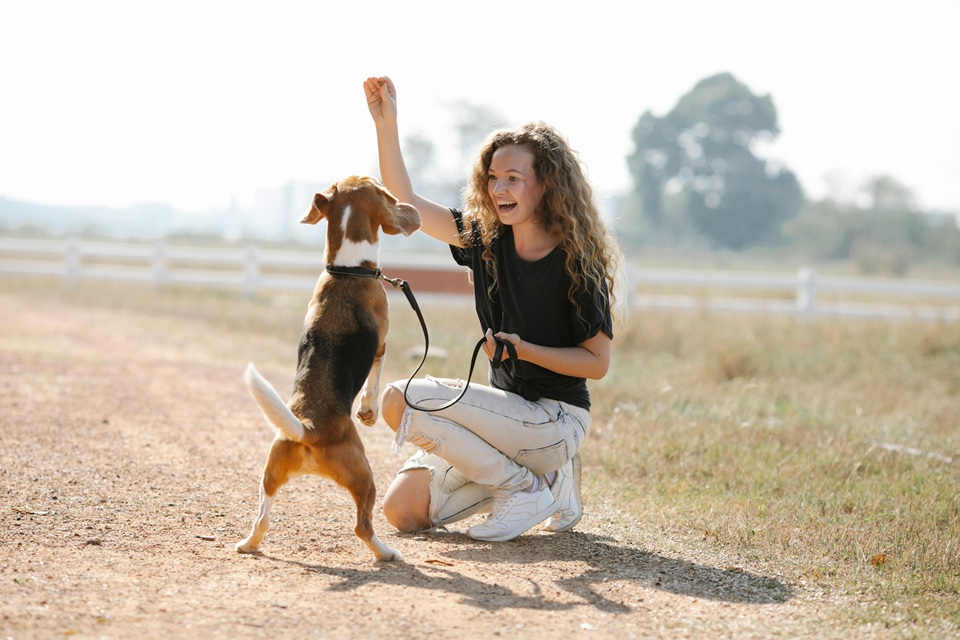
- Positive reinforcement strengthens trust, improves behavior, and reduces stress for both dogs and owners.
- Consistency, timing, and clear communication are essential to successful positive dog training.
- Reward-based methods help address common behavioral issues, including barking, leash pulling, aggression, and separation anxiety.
- Socialization and play are integral to developing confident, well-adjusted dogs.
- Professional trainers specializing in positive methods can accelerate progress, especially for complex behaviors.
Introduction
Creating a harmonious household begins with understanding the fundamentals of canine behavior and communication. At the heart of a peaceful home lies positive dog training—a method centered on rewarding your dog’s good behavior rather than punishing mistakes. This training style not only builds a strong bond between you and your pet but also encourages lifelong cooperation and trust.
One of the leaders in the field, American Canine, operated by the reputable American Canine Academy in the Denver Metro area, brings decades of expertise in dog behavior modification and advanced obedience training. Recognized as a top authority, the American Canine Academy offers group and private lessons to address the needs of every breed and owner. Their hands-on approach, science-backed methodologies, and local service focus make them a trusted partner for pet parents seeking transformational results.
Understanding Positive Reinforcement
Positive reinforcement is a training philosophy that rewards dogs for good behavior, making them more likely to repeat those behaviors in the future. Instead of scolding or physically correcting your dog for mistakes, this approach emphasizes providing treats, praise, or play when your dog acts appropriately. The science behind positive reinforcement confirms that dogs, much like people, are more apt to learn and retain behaviors when they associate them with positive outcomes.
Compared to outdated punitive methods, positive training promotes a safer and less stressful environment for pets. It minimizes the risk of fear-based reactions and helps dogs develop confidence in their ability to communicate and succeed within your household.
Key Techniques In Positive Dog Training
Use Of Treats & Rewards
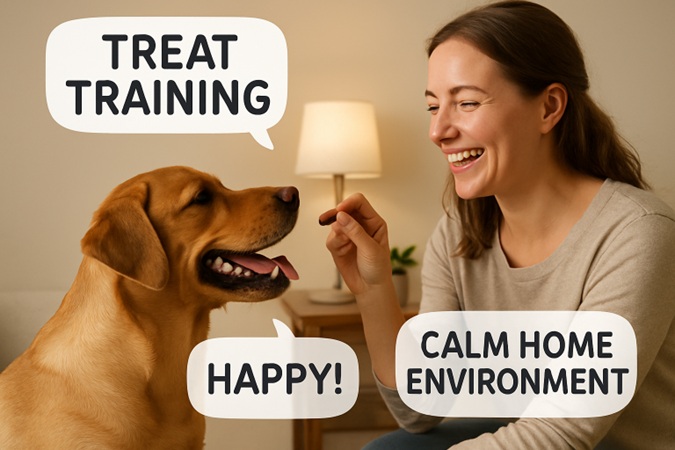
Treats and rewards are effective motivators for most dogs. When paired with clear cues—like asking for a “sit” and immediately rewarding compliance—your dog quickly learns what’s expected. Food treats work well, but don’t underestimate the power of enthusiastic praise, favorite toys, or brief play sessions.
Consistency & Timing
For positive reinforcement to be effective, your timing must be precise. The reward should be given within seconds of the desired behavior, ensuring that your dog makes the correct association. Consistency is also vital: all family members should use the same cues and reward systems to avoid confusing your pup.
Incorporating Play & Socialization
Play is an integral part of positive training, boosting your dog’s energy release and willingness to cooperate. Socialization—gradually introducing your pet to new experiences, people, and dogs—fosters adaptable, well-mannered companions. Real-world engagement helps dogs generalize their good behavior beyond the confines of your home.
Common Behavioral Issues Addressed
- Excessive Barking: Often stemming from boredom or anxiety, positive redirection paired with rewarding silence can curb this behavior.
- Leash Pulling: Rewarding loose-leash moments encourages calmer walks and reduces frustration for both you and your dog.
- Separation Anxiety: Gradual departures and returns, paired with reinforcement, help your pet gain independence and emotional security.
- Aggression: Through controlled exposure and reinforcing calm behavior, positive methods decrease the likelihood of aggressive reactions toward dogs or people.
Implementing Positive Training At Home
Begin by setting achievable goals that fit your dog’s current abilities and temperament. Small, incremental changes are more sustainable and less stressful for both you and your pet. Establish a training schedule that weaves short, regular sessions into your daily routine.
All family members must participate in the training plan to ensure expectations remain clear and consistent. Unified signals and reward systems will help your dog adapt more quickly to household rules and reinforce mutual understanding.
Seeking Professional Assistance
Sometimes, complex behaviors or unique schedules call for outside expertise. If you notice persistent aggression, anxiety, or other challenges, working with a qualified trainer can make a significant difference. Recommendations from veterinarians and reputable organizations can help guide you toward the right fit. Look for programs that specialize in positive reinforcement and have a track record of success in similar cases.
Evaluating credentials, training philosophy, and the flexibility of program offerings—such as private sessions, group classes, or in-home visits—ensures your dog’s individual needs are met with understanding and compassion.
Final Thoughts
Positive dog training transforms not just your dog’s behavior, but the spirit of your entire home. By emphasizing encouragement, patience, and clear communication, you foster a deeper bond and a more peaceful environment for your whole family. Consider adopting positive reinforcement techniques, working with industry leaders like American Canine Academy, and remember. Every step you take with your dog on this journey is one toward a happier, more harmonious life together.