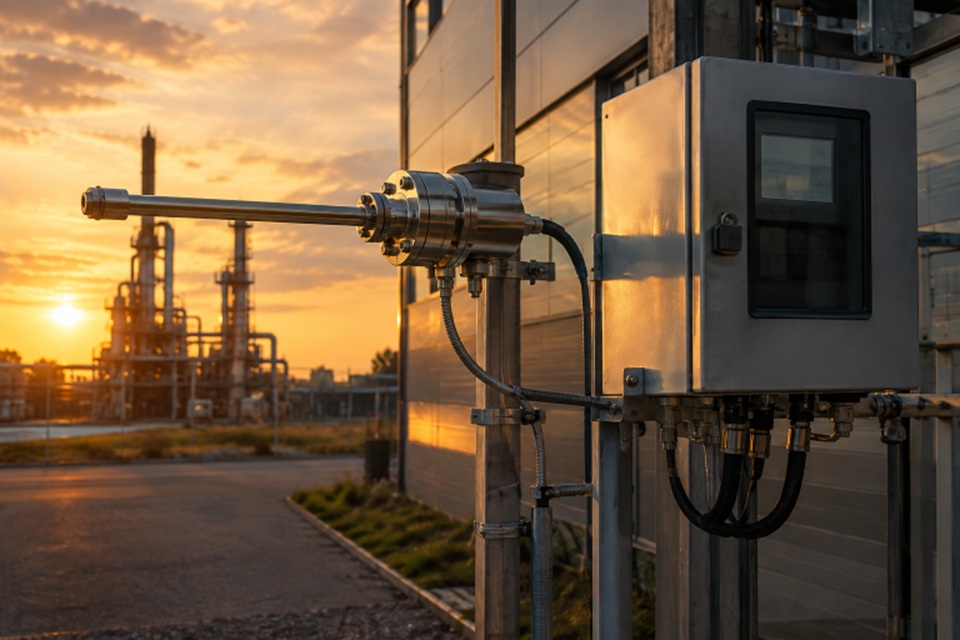
Facilities that need dependable air, process, or environmental data often face a challenge that goes beyond selecting a single instrument. A useful monitoring solution must consider where the sample originates, how it reaches the analyzer, what conditions may affect it, how results are recorded, and how the equipment will be maintained. For organizations searching for ambient air monitoring systems Middlesex, NJ Tess-Com Inc. offers process stream sampling systems, analytical systems integration, ambient air monitoring support, and water analysis capabilities.
Tess-Com Inc. can help turn a broad monitoring request into a more practical project scope. Rather than treating a sampler, analyzer, control panel, and reporting system as unrelated purchases, the company’s systems-oriented approach considers how the components need to work together for the facility’s intended use of the data.
Why Ambient Air Monitoring Requires More Than A Sensor
Ambient air monitoring is the systematic measurement of pollutants in the surrounding outdoor air. Monitoring may support operational awareness, environmental investigations, trend analysis, research, community information, or regulatory obligations. The right design depends on the purpose of the data, the pollutants or indicators involved, site conditions, expected operating costs, and the practicality of maintaining the system over time.
According to the factors used to develop an ambient monitoring strategy, equipment selection should account for data use, investment, and operating costs, reliability, and ease of operation. That is why a facility should define its actual monitoring objective before choosing hardware.
What Tess-Com Inc. Provides For Process Stream Sampling
Process stream sampling systems are designed to collect material from an operating process and deliver a representative sample to analytical equipment or another measurement point. Depending on the application, the system may need to address sample location, transport distance, pressure, temperature, moisture, particulate matter, condensation, contamination risk, and compatibility with the selected analyzer.
Tess-Com Inc. can help facilities evaluate these requirements as part of the system design process. A properly planned sampling arrangement is intended to support meaningful measurements by considering the process conditions that could affect the sample before it reaches the analyzer. This planning can include the sample probe, tubing, or transport path, conditioning needs, analyzer connection, and the physical layout of the installation.
For a facility, the central question is not simply, “Which analyzer should we buy?” It is also, “Will the analyzer receive an appropriate sample consistently enough to support the decision we need to make?” That distinction is especially important when measurements influence process adjustments, environmental reporting, maintenance priorities, or investigations of changing conditions.
How Tess-Com Inc. Approaches An Ambient Air Monitoring Request
A clear request gives the project team a better starting point for selecting a suitable sampling and analytical approach. Tess-Com Inc. can help organize the discussion around several practical questions:
- What needs to be measured? Identify pollutants, gases, particulate matter, meteorological variables, or process indicators of interest.
- Why is the data needed? Clarify whether the project supports compliance activities, operational control, screening, research, community concerns, or long-term trend review.
- Where should sampling occur? Review the site layout, potential sources, nearby operations, airflow, weather exposure, utilities, and mounting options.
- How should the sample be collected and analyzed? Consider the sampling method, analyzer requirements, detection range, sample conditioning, and data interval.
- How will information be used? Define alarms, data logging, communications, reporting needs, and connections to existing plant or environmental data systems.
- How will performance be maintained? Plan for calibration, inspections, consumables, troubleshooting, and periodic data review.
Why Analytical Systems Integration Matters
Analytical systems integration connects the physical sampling system with the equipment and processes that turn a sample into usable information. A monitoring project may include probes, pumps, filters, sample conditioning components, analyzers, enclosures, controls, communications hardware, alarms, and software. If those elements are chosen or installed without a coordinated plan, the facility may encounter avoidable difficulties during startup, operation, maintenance, or data review.
Tess-Com Inc. can support the coordination of these elements around the application. This systems perspective helps a facility consider sample flow, analyzer interfaces, electrical and communication requirements, operator access, and how data will move from the instrument to the people who need it. Integration does not guarantee a particular regulatory outcome, but it can help align the equipment configuration with the project’s defined objectives.
Data Quality Considerations For Air & Process Monitoring
Monitoring data is only as useful as the measurement process behind it. A reading may be affected by sampling location, sample handling, operating conditions, calibration status, instrument maintenance, and how the data is reviewed. Facilities should therefore consider quality planning before installation, not only after the system is operating.
Common issues that should be addressed during planning include:
- Unrepresentative samples: Sampling locations should reflect the purpose of the measurement and the conditions being investigated.
- Condensation, contamination, or sample loss: Sample transport and conditioning should be appropriate for the material and environment.
- Calibration drift: The operating plan should identify calibration procedures, checks, and maintenance responsibilities.
- Disconnected data systems: Analyzers, controls, communications, and reporting tools should be considered together.
- Unclear success criteria: The facility should define what information it needs and what decisions the data will support.
EPA quality assurance materials describe the importance of monitoring methods, technical assessments, calibration-related activities, and data validation in ambient air programs. Facilities can use these ambient air monitoring quality assurance principles as a reminder that equipment performance and documented operating practices both matter.
Facility Applications Tess-Com Inc. Can Help Evaluate
Tess-Com Inc.’s capabilities can be relevant to a range of facility needs. Industrial operations may need process stream sampling and analyzer integration to improve visibility into operating conditions. Environmental programs may need outdoor monitoring arrangements that collect information about air conditions near a site. Engineering teams may need assistance evaluating how new sampling or analytical equipment can fit within existing infrastructure.
Water and wastewater operations may also need analytical systems for project-specific water quality measurements. The appropriate equipment, methods, and configuration will depend on the parameter being measured, the operating environment, the required data use, and any applicable project specifications or permits.
What To Include In A Monitoring System Request
Before contacting Tess-Com Inc., gather as much relevant project information as possible. A well-defined request can make it easier to identify an appropriate sampling, analysis, and integration strategy.
- Facility location, site layout, and operating environment.
- Pollutants, process variables, or water parameters of interest.
- The reason the data is needed and the decisions it will support.
- Existing samplers, analyzers, controls, or data systems.
- Desired sampling frequency, measurement range, and reporting interval.
- Available power, communications, utilities, shelter, and mounting space.
- Maintenance expectations, calibration responsibilities, schedule, and budget range.
- Applicable permits, standards, engineering specifications, or internal requirements.
Frequently Asked Questions
Can Tess-Com Inc. help with an ambient air monitoring request?
Yes. Tess-Com Inc. can help review the monitoring objective, sampling conditions, analytical requirements, and integration needs so the proposed system is better aligned with the facility’s application.
Why is process stream sampling important?
Process stream sampling helps deliver material from an operating process to analytical equipment. The sampling approach can affect whether the analyzer receives a sample that is appropriate for the intended measurement.
Does integration matter if a facility already has an analyzer?
Yes. Existing analyzers may still require attention to sample delivery, conditioning, controls, data communications, alarms, calibration access, and compatibility with plant systems.
Planning A More Complete Monitoring Solution
Tess-Com Inc. provides a practical resource for facilities in and around Middlesex, New Jersey that need process stream sampling, analytical systems integration, ambient air monitoring support, or water analysis systems. By considering the complete path from sample collection through analysis, data handling, and maintenance, facilities can pursue a monitoring solution built around their actual operating and information needs.