Key Takeaways:
- Synthetic ice provides an authentic skating experience, enabling practical, realistic training at home.
- It allows for uninterrupted, year-round use, unaffected by seasonal or weather-related challenges.
- Mild resistance on synthetic ice surfaces can increase strength and endurance over time.
- Compared to repeated rink rentals, home installation offers significant cost advantages.
- Low-maintenance needs and environmental benefits make synthetic ice a responsible choice.
In recent years, the landscape of hockey training has expanded beyond the rink, becoming accessible to anyone with space at home and the right equipment. The introduction of synthetic ice has empowered athletes to continue improving their game regardless of weather, scheduling conflicts, or financial constraints. Thanks to products like KwikRink V Home, hockey players of all levels are finding new ways to hone their craft and achieve their athletic goals without ever leaving the house.
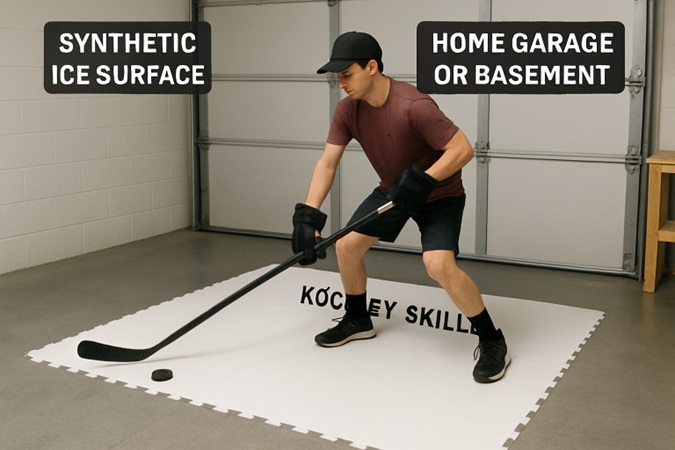
For those passionate about the game, having a space to skate year-round eliminates significant barriers to consistent practice. As synthetic ice technology evolves, players and parents alike are discovering that home-based rinks allow for ongoing development, even in climates that do not support natural ice for much of the year. Whether for off-season conditioning, extra ice time, or skill-specific drills, synthetic ice provides a practical, effective foundation for improvement.
Moreover, installing a synthetic ice surface at home transforms the way hockey training is conducted. Not only are players able to access premium surfaces whenever they wish, but they’re also free to focus on the technical aspects of skating and stickhandling away from the crowded chaos of public rinks.
With long-term durability and practical advantages, it’s no surprise that more hockey families are exploring home-based solutions to year-round skill development. This guide explores the comprehensive benefits of using synthetic ice for hockey training at home, from its ability to closely mimic real ice to its unique role in enhancing athletic performance and environmental sustainability.
Realistic Skating Experience
Modern synthetic ice surfaces use advanced materials and design techniques to simulate the feel of real ice. High-density polyethylene panels are engineered with built-in lubricants to achieve an optimal “glide to grip” ratio, resulting in a skating motion that closely mirrors traditional ice rinks. More than just novelty, this realistic sensation enables athletes to practice edges, turns, and transitions with confidence, knowing the feedback they receive will translate to genuine improvement in the arena. According to SmartRink, even professional and collegiate players have turned to synthetic surfaces during the off-season to replicate on-ice conditions.
Year-Round Accessibility
The reliability of synthetic ice is perhaps its most significant advantage. Players are not limited by melting ice in spring or packed indoor rinks during winter. Whether early morning or late night, a home synthetic ice rink guarantees access to quality skating time any day of the year. This level of accessibility is especially beneficial for young athletes pursuing serious growth or families balancing busy schedules, helping players stay sharp and maintain development momentum even when regular rinks are closed or unavailable.
Enhanced Strength & Endurance
Many players discover that training on synthetic ice requires more effort due to slight friction differences compared to natural ice. Research shows this increased resistance (about 10–15 percent) challenges the legs and core, accelerating improvements in strength, balance, and cardiovascular endurance. Over time, skaters who consistently train on synthetic ice not only become more physically fit but often experience a noticeable boost in speed and agility when returning to standard ice. This strength-building benefit is a unique asset for athletes using synthetic ice for both off-season conditioning and regular practice.
Cost-Effectiveness
The traditional model of hockey training involves a steady stream of rink rental costs, especially for families aiming for frequent or unrestricted ice time. Synthetic ice, by contrast, represents a one-time investment that pays for itself over time. With the average monthly rink rental running hundreds of dollars, a home synthetic surface can quickly offset its initial price. Additionally, by avoiding the need for refrigeration and resurfacing, operational expenses drop significantly, providing not just cost savings but also peace of mind.
Minimal Maintenance
Classic ice rinks demand constant attention, from Zamboni passes and flooding to climate control. Synthetic ice shifts the focus to a much simpler care routine. Routine sweeping, occasional mopping, and reapplication of a compatible surface conditioner are usually all that is needed to keep the surface clean and smooth. This ease of maintenance makes synthetic ice uniquely suited for home use, appealing to those who want to maximize training and minimize chores. Durable panels are engineered for longevity, providing quality skating with minimal upkeep year after year.
Environmental Benefits
Beyond cost and convenience, synthetic ice offers significant sustainability advantages. Traditional ice rinks can require thousands of gallons of water for flooding and depend heavily on energy-intensive refrigeration systems. Synthetic contrast eliminates water waste and slashes electricity consumption. By choosing an eco-friendly training setup, hockey families can feel good about supporting environmental goals while still following their passion for the sport. Publications like Hockey Gyms have recognized the growing popularity of synthetic ice as a sustainable alternative in community rinks worldwide.
Versatility In Training
Synthetic ice is not just for skating. Its consistent and reliable surface supports the full spectrum of hockey practice routines, including shooting, stickhandling, passing, and edge work. Players can organize solo skill sessions, work on reaction drills, or even set up small group games at home. Without the unpredictability of outdoor conditions, athletes enjoy uninterrupted sessions perfect for focused practice or family fun. This flexibility means synthetic ice can cater to the needs of elite players, beginners, and anyone who enjoys time on the ice.
Making synthetic ice part of your home training environment enhances every aspect of preparation, from technical growth to physical fitness and environmental stewardship. The ability to skate and practice any time, with fewer maintenance demands and less environmental impact, is a clear win for hockey players and their families. For anyone looking to maximize their time, savings, and athletic development, synthetic ice offers an unmatched solution that keeps the game within reach year-round.