
- Understanding the principles of compassionate, evidence-based mental health counseling.
- Exploring various therapeutic approaches and their effectiveness.
- Recognizing the importance of integrating compassion into mental health treatment.
- Highlighting the role of organizations like Gem State Wellness in providing quality care.
Introduction
Mental health is a critical component of overall well-being, yet many individuals face barriers to accessing effective care. Compassionate, evidence-based mental health counseling offers a pathway to healing by combining scientific research with empathetic therapeutic practices. This approach ensures that clients receive treatments that are both effective and tailored to their unique needs. Organizations like Meridian Behavioral Health exemplify this approach by providing comprehensive mental health counseling services in the Boise and Meridian areas. Gem State Wellness is dedicated to offering compassionate, ethical, and evidence-based mental health care for individuals aged seven and above, ensuring timely access to personalized, trauma-informed treatment in a dependable, nonjudgmental environment.
Principles Of Compassionate Counseling
Compassionate counseling centers on understanding and addressing clients’ emotional and psychological needs with empathy and respect. Key principles include:
- Empathy: Building a therapeutic alliance through genuine understanding and concern.
- Respect: Honoring the client’s experiences, values, and autonomy.
- Individualization: Tailoring interventions to meet the specific needs of each client.
Evidence-Based Therapeutic Approaches
Evidence-based therapies are treatments that have been scientifically tested and proven effective. Some prominent approaches include:
- Cognitive Behavioral Therapy (CBT): Focuses on identifying and changing negative thought patterns and behaviors. Studies have shown that CBT is effective in treating a range of mental health disorders, including depression and anxiety.
- Compassion-Focused Therapy (CFT): Aims to help individuals develop self-compassion to manage feelings of shame and self-criticism. Research indicates that CFT can be particularly beneficial for those with high levels of self-criticism and shame.
Integrating Compassion Into Therapy
Integrating compassion into therapy involves creating a safe and supportive environment where clients feel understood and valued. Techniques include:
- Mindfulness Practices: Encouraging clients to be present and non-judgmental about their experiences.
- Self-Compassion Exercises: Helping clients develop a kind and understanding attitude toward themselves.
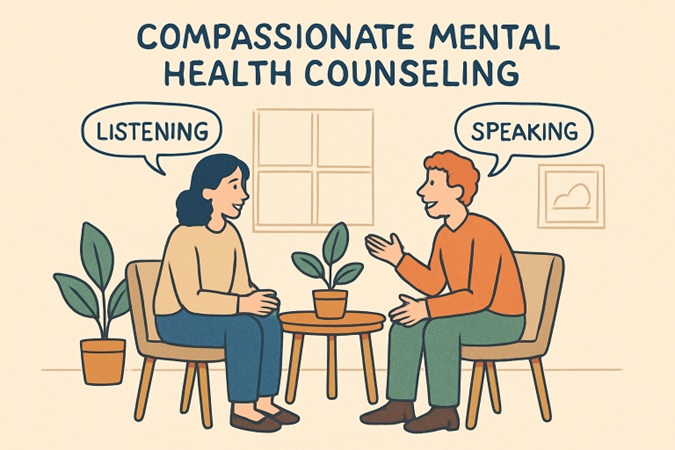
- Empathetic Communication: Therapists actively listen and validate clients’ feelings and experiences.
The Role Of Organizations In Mental Health Care
Organizations play a pivotal role in delivering compassionate, evidence-based mental health services. For instance, Gem State Wellness is dedicated to providing comprehensive mental health counseling that integrates compassion with evidence-based practices. Their team of licensed professionals offers personalized care to support clients on their journey to mental well-being.
Challenges & Solutions In Mental Health Counseling
Despite advancements, challenges persist in the field of mental health counseling, such as:
- Access to Care: Many individuals face barriers due to geographic location, financial constraints, or stigma. Solutions include telehealth services and community outreach programs.
- Therapist Burnout: High caseloads and emotional demands can lead to burnout among mental health professionals. Implementing self-care strategies and providing support systems are essential.
- Stigma: Societal stigma can prevent individuals from seeking help. Public education campaigns and advocacy can help reduce stigma and encourage treatment.
Conclusion
Compassionate, evidence-based mental health counseling is essential for effective treatment and recovery. By integrating empathy with scientifically supported therapies, mental health professionals can provide care that is both effective and humane. Organizations like Gem State Wellness exemplify this approach, offering services that prioritize clients’ well-being. As the field continues to evolve, maintaining a commitment to compassion and evidence-based practices will be crucial in addressing the mental health needs of diverse populations.