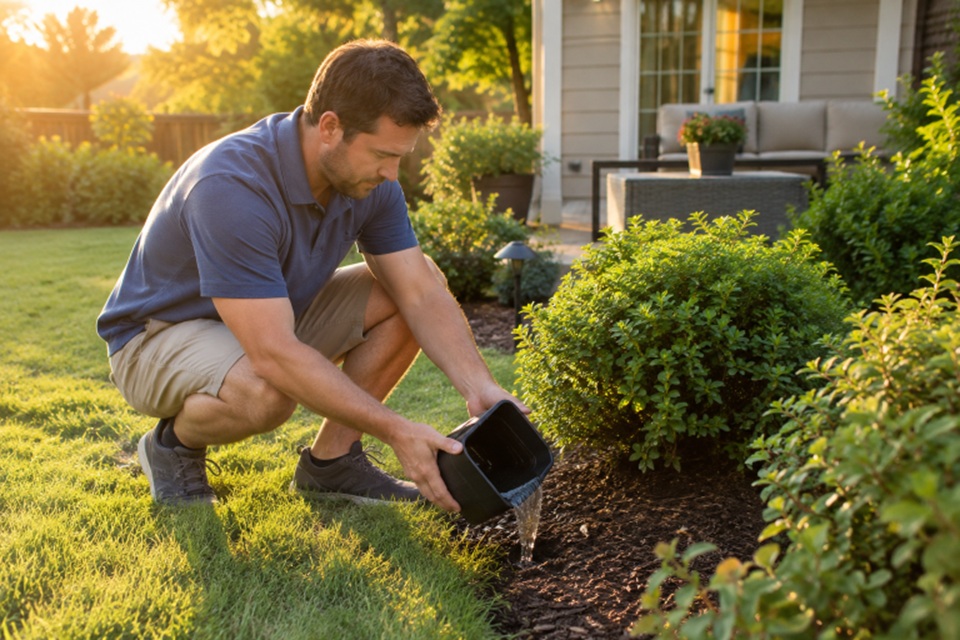
- Mosquito prevention works best when it addresses both the water where mosquitoes develop and the shady places where adults rest.
- Containers, clogged gutters, toys, covers, and yard debris can all hold enough water to contribute to mosquito activity.
- A brief weekly inspection is easier to maintain and more effective than an occasional major cleanup.
- Working screens, protective clothing, and properly used EPA-registered repellents can help reduce bites.
- Persistent problems may require help from a qualified professional or local mosquito control program.
A comfortable yard does not need to be completely free of insects, but frequent mosquito bites can make patios, gardens, and play areas difficult to enjoy. The most reliable approach combines routine cleanup, landscape maintenance, home repairs, and personal protection rather than relying on a single product or a large weekend project.
Homeowners can handle many prevention tasks themselves, while pest control services may be useful when mosquito activity stays high, hidden breeding areas are difficult to locate, or a property has drainage and vegetation challenges. Small, consistent changes generally make a bigger difference than waiting until mosquitoes become overwhelming.
Why Mosquito Control Starts At Home
A yard can support mosquitoes even when it appears clean and mostly dry. Rainwater, irrigation, and morning moisture can collect in overlooked places, including plant saucers, folded tarps, outdoor furniture, clogged drains, and discarded containers. Adult mosquitoes may also arrive from neighboring properties, drainage areas, parks, or shared green spaces.
The goal is not to remove every insect from an outdoor space. Instead, focus on lowering the number of mosquitoes that can develop near the home and reducing the places where adults can shelter. This layered approach helps make outdoor areas more usable while setting realistic expectations.
Step 1: Remove Standing Water
Mosquitoes lay eggs in or near water, so eliminating water-holding items is one of the most practical ways to interrupt their life cycle. Build a weekly walk-through into the household routine, especially after rain or heavy watering. Regular weekly water checks can include emptying, scrubbing, turning over, covering, or discarding containers that collect water.
- Empty flowerpot saucers, watering cans, and pet bowls that are not in use.
- Turn over buckets, wheelbarrows, children’s toys, and unused containers.
- Clear leaves and sediment from gutters and make sure downspouts drain properly.
- Refresh birdbath water often and keep pool covers from sagging into puddles.
- Inspect outdoor furniture, grill covers, drains, tarps, and low spots in the lawn.
- Remove old tires and debris that can trap rainwater.
Step 2: Make The Yard Less Comfortable For Adult Mosquitoes
Adult mosquitoes commonly rest during the day in cool, humid, protected areas. Dense shrubs, tall grass, leaf piles, and clutter beneath decks or porches can give them sheltered places close to where people gather. Yard care will not eliminate mosquitoes on its own, but it supports water management and makes problem areas easier to inspect.
Trim thick vegetation near patios, doors, walkways, and seating areas. Keep grass at a reasonable height, clear damp leaves from shaded corners, and improve drainage in low areas where water lingers. When possible, move stored items and firewood away from the house, then inspect beneath sheds, decks, porches, and outdoor furniture for moisture and debris.
Step 3: Protect Doors, Windows, & Indoor Spaces
Simple Home Checks
Outdoor prevention matters, but mosquitoes can still enter through damaged screens and gaps around doors. Bedrooms, nurseries, and rooms beside patios deserve particular attention because mosquitoes indoors can continue to bite after outdoor activities have ended.
- Repair tears and loose edges in window and door screens.
- Replace damaged door sweeps and keep exterior doors closed when practical.
- Inspect openings around utility lines, vents, and pipes.
- Use air conditioning when available, and consider fans in occupied outdoor spaces.
- Check screen doors and sliding-door tracks for gaps that prevent a tight closure.
Step 4: Reduce Bites During Outdoor Activities
Personal protection is especially important during gardening, cookouts, yardwork, and evenings outdoors. Wear loose clothing that covers arms and legs when conditions allow. Use an EPA-registered insect repellent according to its label, including directions for reapplication, age limits, and use on children.
Place seating away from dense shrubs and damp areas, and use screened porches or covered spaces where available. Avoid assuming that candles, ultrasonic devices, or a single patio treatment will provide complete protection. Practical barriers, clothing, and label-directed repellents are more dependable parts of a prevention plan.
Step 5: Think About The Mosquito Life Cycle
Mosquitoes develop through four stages: egg, larva, pupa, and adult. The first three stages are associated with water, which is why yard inspections matter before adult mosquitoes emerge. Removing water on a repeating schedule helps prevent new mosquito generations rather than only responding after bites become noticeable.
Some water cannot be drained, such as certain ponds, drainage features, or structures designed to collect runoff. In those situations, larvicides may be appropriate for controlling mosquito larvae, but homeowners should use only products labeled for the specific site and follow all directions carefully. For larger or difficult areas, local guidance or a licensed professional can help identify suitable options.
Common Mosquito Control Mistakes
- Treating only the patio while ignoring water and vegetation elsewhere on the property.
- Dumping visible containers but overlooking gutters, drains, covers, and low areas.
- Using outdoor products without reading and following the label.
- Expecting one cleanup to solve a problem that requires weekly attention.
- Allowing dense plants to grow directly beside doors, windows, and seating areas.
- Relying on gadgets or scented products as the only mosquito-control method.
A Simple Weekly Yard Routine
- Walk the property after rain or irrigation.
- Dump, cover, clean, or turn over anything that holds water.
- Check gutters, plant containers, toys, covers, and drains.
- Clear damp debris and trim heavy vegetation near activity areas.
- Inspect screens, door seals, and outdoor seating spaces.
- Make note of locations where mosquitoes remain most active.
When To Seek Additional Help
Consider additional support if mosquito activity remains heavy after routine prevention, if the property borders wetlands or irrigation channels, or if drainage problems create recurring standing water. Residents who notice unusually high mosquito numbers or local disease alerts can also contact local mosquito control programs or a health department for area-specific information.
Conclusion
Effective mosquito prevention comes from several manageable habits working together. By removing standing water, reducing shady resting areas, protecting entry points, and using personal protection when needed, homeowners can make their yards more comfortable throughout mosquito season.