Key Takeaways:
- Motor vehicle accidents are the most frequent cause of personal injuries in the United States.
- Slip and fall incidents can happen anywhere due to unsafe or improperly maintained surfaces.
- Workplace injuries remain significant in many industries due to hazardous conditions or poor safety protocols.
- Seeking medical help and collecting thorough documentation are vital steps after any accident.
Accidents can occur when least expected, disrupting daily routines and sometimes having lifelong health and financial impacts. Recognizing the most frequent causes of personal injury and knowing the immediate actions to take can play a key role in your recovery and potential legal claims. If you’re in Massachusetts and need guidance after an accident, a qualified Fall River personal injury lawyer can provide essential support.
Navigating the aftermath of an injury may feel overwhelming. Having a clear understanding of common risks and best practices in the event of an incident helps safeguard your health and your rights.
Each type of personal injury accident presents unique risks, but quick and informed action following any incident provides the best opportunity for effective recovery. Understanding your legal options is just as important as seeking medical treatment.
Motor Vehicle Accidents
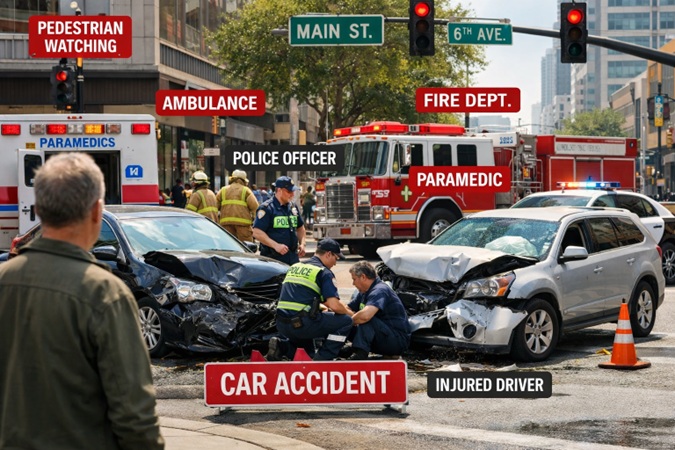
Crashes involving cars, trucks, and motorcycles are the leading cause of personal injury claims nationwide. Distractions behind the wheel, such as cell phone use, exceeding the speed limit, and driving while impaired, each significantly increase the risk of collisions. According to data from the National Safety Council, tens of millions are injured in motor vehicle accidents annually. Defensive driving, obeying all road signs, and abstaining from substances are crucial for prevention.
It’s also important to recognize that not all automobile accidents are caused by driver error. Weather conditions, such as icy roads, fog, or heavy rain, can reduce visibility and traction, making even the most attentive drivers vulnerable. In addition, poorly maintained vehicles or roads with potholes and missing traffic signs can contribute to accidents. Municipalities and car manufacturers sometimes bear responsibility when infrastructure or mechanical failure plays a part in a crash. For many, participation in a defensive driving course can reduce both accident risks and insurance premiums.
Slip & Fall Incidents
Slip and fall accidents are among the most common causes of injury, especially in environments like grocery stores, sidewalks, apartment complexes, and restaurants. Factors such as wet or icy floors, uneven pavement, and poor lighting create hazards that can lead to fractures, sprains, or even more severe injuries. Property owners have a legal duty to address dangerous conditions, but visitors should still exercise caution and pay attention to potential risks in their surroundings.
While falls can sometimes result from individual carelessness, many are preventable with adequate property maintenance. Simple measures like installing handrails, prompt cleanup of spills, and clearly marking hazards can make environments significantly safer for everyone. Elderly individuals, people with disabilities, and young children are especially prone to suffering injuries from preventable falls. If you experience a slip or trip and fall accident, it’s essential to take clear photographs of the hazard and quickly notify the responsible party, as property owners may address issues shortly after becoming aware of accidents.
Workplace Injuries
Many industries, including construction, manufacturing, and logistics, face higher risks of workplace injuries due to the nature of their work environments. Falls from ladders, being struck by objects, machinery malfunctions, and hazardous chemical exposures are just a few common examples. Consistent enforcement of workplace safety standards and ongoing employee training are essential to minimizing accidents. Employees must adhere to safety protocols and promptly report unsafe conditions whenever possible.
Additionally, repetitive motion injuries and overexertion, such as lifting heavy objects or repetitive actions at desks and workstations, can gradually cause significant discomfort or disability. Employers should encourage reporting of all injuries, no matter how minor they may seem at first, and promptly address all safety concerns. Utilizing available resources, like ergonomic equipment, personal protective gear, and safety workshops, can further minimize on-the-job risks for everyone.
Defective Products
When products are poorly designed or manufactured, or if there are insufficient warnings about their use, consumers can sustain serious harm. Defective products may include everything from kitchen appliances to car parts and children’s toys. Injured individuals have the right to hold manufacturers accountable under product liability laws. It’s important to follow instructions and stop using a product if signs of malfunction appear.
Consumers are often unaware of just how widespread product recalls can be. Registering your products or signing up for manufacturer alerts can keep you informed of any brand safety issues. Keeping original packaging and receipts can also assist if a claim is necessary later. Furthermore, always pay attention to warning labels and avoid using a product in a manner not intended by the manufacturer, as this can impact your eligibility for compensation should a defect lead to injury.
Medical Malpractice
Medical malpractice arises when a healthcare professional’s actions deviate from accepted standards, leading to injury or illness. Common incidents involve missed diagnoses, incorrect medication prescriptions, or surgical mistakes. Patients can protect themselves by asking questions, seeking second opinions, and staying informed about best practices for their condition.
It’s also important for patients to maintain their own personal health records and keep open communication with their health care providers. Sometimes, injuries caused by malpractice don’t manifest right away, which can delay recognition of the problem. Reporting concerns to a patient advocate or hospital administrator can also help bring attention to systemic problems and prevent future errors. Legal assistance may become necessary if you suspect medical negligence, as these cases require careful review of medical documentation and expert analysis.
Steps To Take After A Personal Injury Accident
- Seek Immediate Medical Attention: Regardless of symptom severity, having a healthcare provider evaluate your condition ensures proper treatment and creates a formal record of your injuries.
- Document the Scene: Use your phone to take photos, collect contact information from any witnesses, and write down every relevant detail while the facts are still fresh.
- Report the Incident: Depending on where the injury occurred, alert the property owner, workplace supervisor, or local authorities as soon as possible.
- Keep Records: Organize all medical bills, prescriptions, and related correspondence in a dedicated folder. These records support both your recovery and any potential insurance or legal claims.
- Consult a Legal Professional: Legal guidance can protect your interests, clarify complex rules, and help ensure you receive appropriate compensation if negligence contributed to your injury.
Beyond these foundational steps, it’s helpful to avoid discussing accident details or posting about your injuries on social media until you have spoken with a legal professional. Statements can be misinterpreted and sometimes used against you in insurance or legal proceedings. Seeking emotional support from friends, family, or a counselor can also ease the recovery process and help you navigate the challenges that commonly follow serious accidents.
Remember, laws can vary widely by state, so ensure you are aware of any deadlines that may apply to filing insurance or legal claims—for example, Massachusetts law sets strict time limits for most injury lawsuits.
Conclusion
Preventing personal injury accidents requires vigilance and awareness in everyday life. However, if you or someone you know is injured due to another party’s negligence or hazardous situations, acting quickly by seeking medical aid, documenting evidence, and getting legal advice can make a substantial difference in the outcome. Staying informed, proactive, and careful benefits not only your personal well-being but also the broader community.
No two accidents are exactly alike, and every situation presents unique challenges. By understanding the most common causes of personal injury and taking a proactive approach, both before and after an accident, you help protect yourself and those around you. Don’t hesitate to reach out for help, whether it’s from a medical doctor, a mental health specialist, or a qualified attorney, to ensure your interests are represented and your recovery is supported to the fullest extent possible.