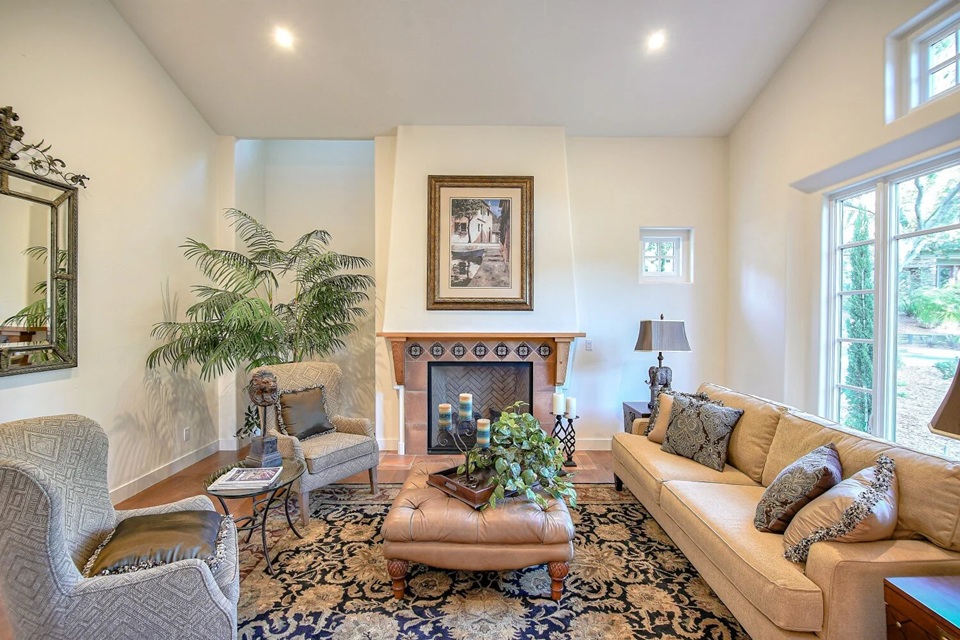
- A clear room purpose, open pathways, and good lighting help buyers quickly understand a home.
- Living rooms, primary bedrooms, kitchens, dining areas, and outdoor spaces usually deserve the most attention.
- Staging can improve presentation, but it cannot replace needed repairs, accurate marketing, or a realistic asking price.
- Real staging, virtual staging, and simple editing can all be useful, depending on the home and its furnishings.
Santa Cruz homes can range from compact beach cottages and hillside properties to condos, older bungalows, and larger family residences. Whatever the setting, buyers need to be able to picture how they would use the rooms. Thoughtful Pre Sale Home Staging Santa Cruz CA can help present each space with clarity while keeping the home’s actual character intact.
The goal is not to create a fictional lifestyle or cover up shortcomings. It is to make the layout easier to read, show where furniture belongs, and let features such as natural light, built-ins, patios, or views receive appropriate attention. In a coastal community where indoor-outdoor living may matter to buyers, a clear connection between rooms and exterior areas can be especially helpful.
Why Buyers Need Help Reading A Space
Buyers often form an early impression from listing photos, then confirm that impression during a showing. An empty room can be difficult to gauge in size, while a crowded room can obscure its proportions. Highly personal decor, oversized furniture, blocked windows, and unclear room use can make it harder for someone to imagine daily life in the property.
Research supports the benefit of visualization without promising a particular sales result. In a 2025 survey, 83% of buyers’ agents said that staging made it easier for buyers to visualize a property as a future home. That does not mean staging guarantees a higher offer or faster sale. It means clear presentation can reduce uncertainty about how a home functions.
Start With A Room-By-Room Review
Before purchasing decor or moving furniture, walk through the home as if you were seeing it for the first time. Stand in every doorway, look toward windows and focal points, and notice where circulation feels awkward. This review often reveals that editing is more important than adding.
- Study the first view from each doorway.
- Clear paths to windows, closets, doors, and major features.
- Give every room one primary purpose.
- Remove furniture that is too large for the room.
- Take comparison photos after each round of editing.
Give Main Rooms A Clear Job
Living Room
Arrange seating to suggest conversation while leaving a comfortable route through the room. A correctly sized rug, a restrained amount of artwork, and a few well-chosen accessories can make the layout feel intentional. Avoid lining every wall with furniture, especially in narrower Santa Cruz homes where floor space is valuable.
Primary Bedroom
A calm bedroom typically reads best with clean bedding, simple nightstands, limited personal items, and visible floor space around the bed. Remove exercise equipment, extra desks, storage bins, and furniture that turns the room into a catch-all area.
Kitchen & Dining Area
Keep counters mostly open so buyers can see work surfaces and storage. One or two practical details, such as a bowl of fruit or a small cutting board, can add warmth without making the kitchen appear short on space. In the dining area, use a table size that allows chairs to be pulled out comfortably.
Small Rooms & Flexible Spaces
A spare room should answer one simple question: what can happen here? Present it as an office, guest room, reading room, or exercise space, but avoid showing all four uses at once. A focused setup helps buyers assess whether the room suits their own needs.
Use Light, Color, & Scale Carefully
Santa Cruz light can be beautiful, but rooms still need practical preparation for photography and showings. Clean windows, open curtains, and replace dim or mismatched bulbs. If a room receives limited daylight, use lamps to make corners readable rather than relying on a single harsh overhead fixture.
- Use bulbs with similar color temperatures in connected spaces.
- Keep large furniture from blocking windows where possible.
- Use mirrors only when they improve light or visual depth.
- Choose rugs large enough to anchor the main furniture grouping.
- Use neutral, connected colors when a refresh is needed.
Prepare For Online First Impressions
Listing photos should accurately depict the home, including its layout, permanent features, and proportions. Rooms should be clean, bright, and photographed from useful angles, but digital edits should not hide damage, change dimensions, or imply amenities that do not exist.
Thoughtful finishing details can support a room without taking attention away from it. Recent coverage of home presentation notes how artwork, lighting, books, and carefully edited accessories can help a space feel purposeful. For sellers, the useful lesson is restraint: details should reinforce the home’s architecture, location, and function.
Real Staging, Virtual Staging, Or A Light Touch?
- Real staging: Helpful for vacant homes, awkward layouts, or rooms that are difficult to understand without furniture.
- Virtual staging: Useful for illustrating potential furniture placement in online images, provided it is transparent and accurate.
- Light-touch preparation: Often enough for occupied homes with suitable furnishings, after decluttering, cleaning, and rearranging.
Virtual staging should never conceal maintenance issues or create a misleading in-person experience. Buyers should be able to recognize the same basic room when they arrive for a tour.
Where To Spend Time & Money First
- Repair visible defects that could raise immediate questions.
- Deep-clean kitchens, bathrooms, windows, floors, and high-touch surfaces.
- Remove excess furniture, personal photos, and overflowing storage.
- Improve lighting in dark hallways and rooms.
- Refresh worn, high-traffic areas with simple, durable updates.
- Prioritize the rooms that will appear most prominently in listing photos.
Common Mistakes That Weaken A Listing
- Using furniture that makes a room appear smaller than it is.
- Leaving strong personal decor throughout the home.
- Using fragrance to mask an odor instead of addressing its source.
- Overfilling shelves, counters, and closets with decorative items.
- Relying on photo filters that make the home look different in person.
- Focusing on decor while ignoring deferred maintenance.
Questions Sellers Often Ask
Does Every Home Need Full Staging?No. The appropriate level depends on condition, layout, furnishings, price range, and competing listings. Some homes need a complete furniture setup, while others benefit most from cleaning, editing, lighting adjustments, and stronger photography.
Can Staging Fix a High Asking Price?No. Presentation can help buyers understand the home, but it cannot correct major repair concerns, inaccurate descriptions, or an unrealistic price.
A Simple Santa Cruz Seller Checklist
- Choose one purpose for every room.
- Clear sightlines, walking paths, and windows.
- Repair, clean, and brighten the most visible areas.
- Use furniture that suits each room’s scale.
- Review every listing photo for accuracy before publishing.
- Make sure the online presentation matches the in-person home.
Conclusion
A Santa Cruz home becomes easier to consider when buyers can quickly understand its space, condition, and everyday function. Clear layouts, honest photos, practical lighting, and restrained decor can help each room do its job. The strongest staging plan highlights what is genuinely appealing about the property rather than trying to hide what needs attention.