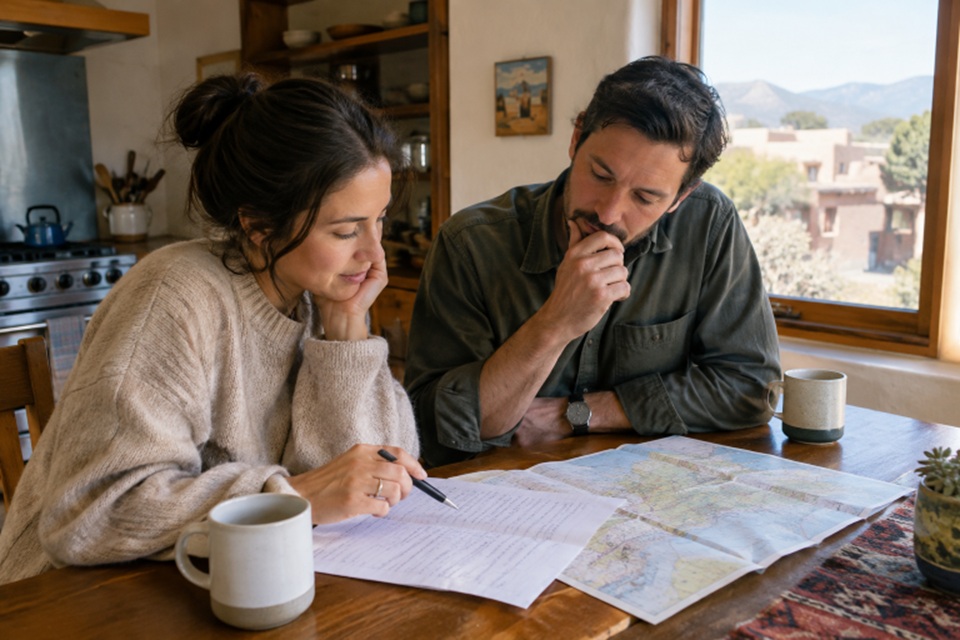
Bedrooms, square footage, or a listing photo alone rarely define the right Santa Fe neighborhood. It is defined by how a home supports an ordinary Tuesday, a busy Saturday, and the plans you have for the years ahead. Buyers comparing historic streets near downtown, established neighborhoods, newer communities, and more rural settings should begin with daily life rather than a search filter.
For a more informed comparison, Santa Fe NM real estate expert Paige Cochran provides property searches, buyer and seller guidance, lifestyle-based community information, and local market insights for Santa Fe and Northern New Mexico. Paige Cochran has worked in local real estate since 2012, and her website covers communities ranging from Historic Eastside and South Capitol to Eldorado, Tesuque, Las Campanas, and nearby areas, making it a useful starting point when a buyer needs to connect a home search with a particular way of living.
Start With Daily Life, Not Just The Listing
Santa Fe offers a broad range of settings, from close-in historic areas with adobe character to larger-lot communities, planned neighborhoods, mountain-oriented locations, and homes beyond the city core. There is no universal best neighborhood. A place that feels ideal for a buyer who wants galleries, restaurants, and short errands may not suit someone who needs a workshop, privacy, room for pets, or regular access to trails.
Before scheduling tours, picture your normal week. Consider where you work, where you buy groceries, how often you entertain, whether you want to walk for coffee, and how much driving feels reasonable. This exercise makes it easier to separate essential needs from attractive but optional features.
Create A Practical List Of Non-Negotiables
Write down your priorities before a beautiful kitchen or panoramic view reshapes the search. A short list can prevent a buyer from investing time in neighborhoods that are not operationally viable.
- Set a maximum purchase price and a monthly payment that leaves room for maintenance and savings.
- Identify the home size, number of bedrooms, guest space, garage, studio, or workshop you truly need.
- Decide whether single-level living, fewer stairs, or other accessibility features are important now or later.
- Rank outdoor priorities, such as a fenced yard, privacy, views, mature landscaping, or low-water landscaping.
- Set reasonable travel limits for work, schools, health care, shopping, and recreation.
Match The Neighborhood To Your Preferred Pace Of Life
Walkable, Social, & Close To Activity
Buyers who value restaurants, cultural venues, local shops, and frequent outings may prefer areas where everyday destinations are closer. In these locations, the tradeoff can be more activity, visitor traffic, smaller lots, or homes that require thoughtful parking planning.
Quiet, Private, & Land-Focused
Larger lots and semi-rural settings can offer more separation from neighbors, darker skies, and room for outdoor projects. They can also mean longer errand trips, private-road questions, different utility arrangements, and more hands-on property care.
Low-Maintenance Or Outdoor-Oriented
Condos, townhomes, and homes with compact yards may suit buyers who want less exterior work. Buyers who prioritize hiking, skiing, cycling, or open space should compare actual access and driving time, rather than simply assuming that a mountain view means a trailhead is nearby.
Compare Home Styles & Their Ownership Demands
Santa Fe’s housing mix includes traditional adobe and Pueblo Revival-inspired homes, updated single-family residences, condos and townhomes, newer construction, luxury properties, and homes on acreage. Each category can bring a different maintenance profile.
- Older and historic homes: Review roof condition, drainage, heating, electrical, plumbing, stucco or adobe maintenance, and any applicable historic review requirements.
- Newer homes: Ask about warranties, energy features, landscaping maturity, and whether the design fits your long-term needs.
- Condos and townhomes: Read association documents closely to understand dues, maintenance responsibilities, insurance provisions, parking, and rental rules.
- Homes on larger parcels: Confirm water, septic, access, drainage, fencing, vegetation management, and the amount of upkeep the land requires.
Test The Commute & Everyday Errands
The U.S. Census Bureau reports a 21-minute mean travel time to work for Santa Fe city workers age 16 and older during the 2020 to 2024 period, but a citywide average cannot predict one household’s routine. Use the Santa Fe city commuting data as context, then test the routes that matter to you.
- Drive the work route during morning and evening travel periods.
- Repeat key errands, including grocery shopping, pharmacy visits, school, and health care trips.
- Visit on a weekend when shopping districts and visitor areas may feel different.
- Consider winter conditions, road surfaces, lighting, and emergency access.
Look Beyond The Current View
A vacant parcel, open field, or quiet road can change over time. Before making an offer, ask what is planned nearby, whether an adjacent lot is privately owned, and how future construction could affect traffic, noise, views, or services. The City of Santa Fe’s residential development pipeline tracks projects through stages, including under review, approved, under construction, and completed, giving buyers a practical place to begin that research.
Also ask about zoning, easements, shared drives, private lanes, and neighborhood rules. A seller disclosure and inspection process may reveal property-specific details, but asking questions early helps avoid surprises after an emotional attachment has formed.
Build A Realistic Ownership Budget
The sale price is only one part of affordability. Compare estimated mortgage costs with property taxes, insurance, association dues, utilities, landscaping, irrigation, transportation, and a reserve for repairs. Older homes may need more immediate attention, while larger lots can require ongoing spending for maintenance and equipment. Buyers considering properties inside city limits should also ask qualified local professionals about taxes and closing costs that may apply to their transaction.
Visit More Than Once & Use A Scorecard
Return at different times of day. Walk the block where possible, listen for traffic and nearby activity, check cell reception, observe street lighting and parking, and visit the closest daily services. Then score each neighborhood from one to five for commute, budget fit, home style, outdoor access, maintenance needs, noise level, convenience, and long-term fit.
The highest total should not decide for you. Instead, it should clearly reveal the trade-offs. A home with a lower walkability score may be the better choice if privacy matters most, while a smaller home closer to town may free up more time for a buyer who dislikes long drives and yard work.
Frequently Asked Questions
Should I choose the house or the neighborhood first?
Choose both together, but prioritize location early. A home can be renovated over time, while its commute, surroundings, road access, and neighborhood setting remain largely fixed.
How many Santa Fe neighborhoods should I compare?
Comparing three to five areas usually creates enough contrast to identify meaningful preferences without making the search unfocused.
What should I ask during a tour?
Ask about utilities, water, and septic systems where applicable, road access, drainage, roof age, repair history, association rules, nearby construction, and typical maintenance needs for the property style.
Choose The Place That Supports Real Life
A successful Santa Fe home search is not only about finding an appealing property. It is about selecting a setting that works for your routines, budget, comfort, and plans. When you compare lifestyle, home condition, commute, development patterns, and ownership costs with equal care, you can make a decision that still feels right after the excitement of touring homes has passed.