
Key Takeaways:
- Implementing a comprehensive data destruction policy is essential for regulatory compliance and organizational security.
- Shredding, data sanitization, and physical destruction are among the most effective destruction methods for sensitive information.
- Employee training, regular audits, and professional services are critical for maintaining strict data disposal standards.
In today’s digital age, safeguarding sensitive information is paramount for business operations. While digital data protection is a central focus for many organizations, physical records also need secure attention, especially when they are no longer needed. Proper disposal of confidential documents is a critical component of overall data security and can reduce the risk of information falling into the wrong hands. Many companies rely on professional paper shredding services to ensure their sensitive paperwork is destroyed appropriately.
Secure document disposal not only protects proprietary and customer data but also helps prevent business fraud, identity theft, and non-compliance with privacy regulations. Businesses that neglect secure disposal risk facing not only financial losses but also a loss of trust from customers and stakeholders. Securing the lifecycle of information ensures that privacy is not compromised at any point during or after its usefulness.
For organizations that need flexibility or on-demand solutions, mobile paper shredding services offer convenient, on-site destruction options that help ensure information never leaves your custody until it is securely discarded.
Understanding The Importance Of Secure Document Disposal
Improper handling or casual disposal of sensitive business records can have far-reaching consequences. Security breaches that expose physical documents contribute to identity theft and facilitate fraudulent activity. Beyond reputational damage, failures in maintaining secure disposal practices expose businesses to litigation and financial penalties, particularly in regulated industries such as healthcare or finance.
A robust approach recognizes that information management does not stop once records become obsolete. The final phase of a document’s lifecycle, disposal, is just as vital as its creation and storage. Neglecting secure disposal may undo all the efforts put into cybersecurity and data privacy throughout the document’s active life.
Developing A Comprehensive Data Destruction Policy
A formal data destruction policy clearly outlines how a business identifies, handles, and destroys sensitive information. This policy should address all types of records, including physical documents, electronic files, and digital storage devices. Key areas to focus on when drafting this policy include:
- Determining which types of documents and media require secure destruction
- Implementing methods suited to paper, electronic files, and other media
- Designating responsible individuals or teams for overseeing disposal procedures
- Ensuring adherence to industry-specific regulatory and legal requirements
By setting clear standards and expectations, companies make secure document destruction a predictable and routine part of operations. For guidance on protecting sensitive information, refer to the CISA Fact Sheet on Protecting Sensitive and Personal Information.
Methods Of Secure Document Disposal
Businesses have a range of options for securely disposing of documents. Some of the most reliable methods include:
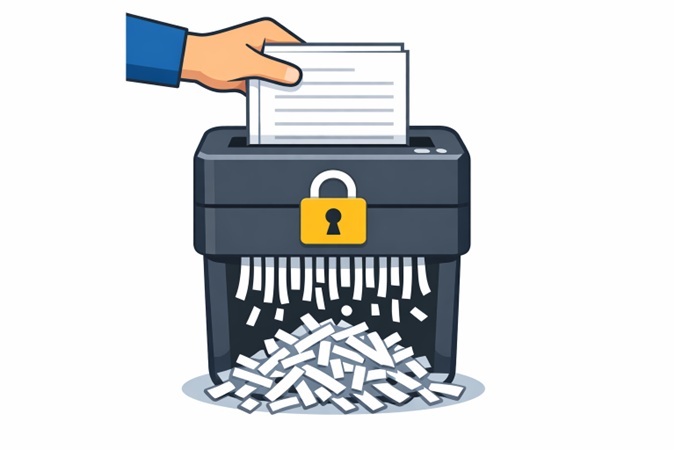
- Shredding: The most common way to render paper records unreadable and unrecognizable. Cross-cut and micro-cut shredders offer maximum security.
- Data Sanitization: Specialized software tools overwrite or erase digital information from hard drives, USB drives, and other storage devices, ensuring that files cannot be restored.
- Physical Destruction: Devices such as hard drives or discs may be pulverized, degaussed (demagnetized), or otherwise physically destroyed to eliminate recovery risks. For more information, see the CISA guide on protecting data stored on your devices.
Choosing the right destruction method depends on the type of information, sensitivity, and applicable legal or industry standards.
Legal & Regulatory Considerations
Lawmakers around the world have recognized the significance of adequate data destruction. For instance, the General Data Protection Regulation (GDPR) in Europe and the Health Insurance Portability and Accountability Act (HIPAA) in the United States both require regulated organizations to ensure secure and irreversible destruction of records once retention periods expire. Non-compliance can mean significant fines, civil liability, and reputational harm for affected companies.
Keeping up with changing regulatory demands requires that organizations stay informed and regularly review how their document disposal practices align with current legal requirements. The National Institute of Standards and Technology (NIST) provides updated guidelines for protecting sensitive information, available in its publication on protecting controlled unclassified information.
Employee Training & Awareness
Employees are both the first and last line of defense in information management. Comprehensive training programs, reinforced through recurring education sessions, help staff understand both the importance of secure document disposal and the specific procedures they must follow. Training reduces the risk of accidental exposure by ensuring everyone is aligned with company policies and knows how to recognize sensitive materials.
Regular Audits & Compliance Checks
Routine audits enable organizations to identify gaps or vulnerabilities in their document destruction processes proactively. By reviewing disposal logs, reviewing protocols, and seeking staff feedback, businesses can continuously improve compliance and reduce the likelihood of security incidents.
Independent compliance checks, whether conducted by internal teams or external consultants, further support best practices by holding the organization accountable and fostering a culture of vigilance.
Partnering With Professional Disposal Services
Many businesses choose to work with trusted document destruction providers who specialize in secure, compliant disposal. Professional services offer reliability, certifications (such as destruction certificates), and expertise that can be difficult to achieve in-house for organizations without dedicated facilities or staff. Outsourcing also reduces risks associated with handling and logistics while ensuring sensitive materials are dealt with efficiently and securely.
Protecting sensitive business information requires a proactive and ongoing commitment to secure document disposal. By developing clear policies, training staff, and leveraging the strengths of professional shredding partners, companies maintain both compliance and customer trust.