Introduction
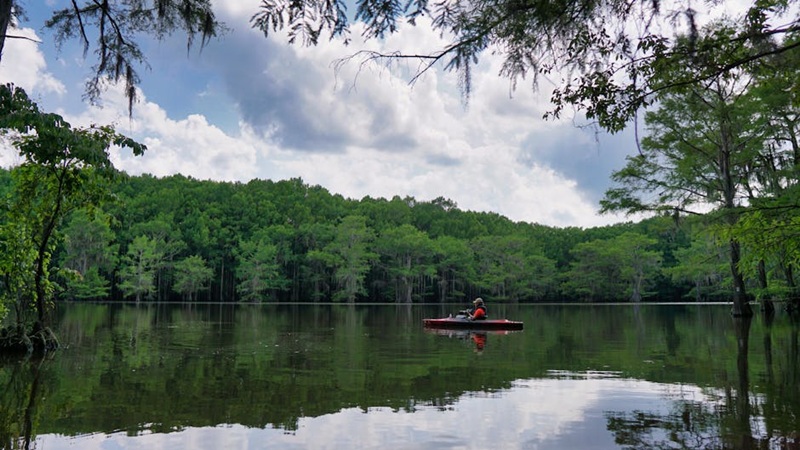
When property damage occurs, the path to recovery can feel overwhelming. This is particularly true for places holding immense natural beauty and historical significance. Caddo Lake State Park, nestled in the unique East Texas wetlands, serves as a powerful example of resilience.
We know that effective recovery involves careful planning and coordinated action. It is a journey that spans from immediate response to long-term restoration. Our goal is always to protect and rebuild, learning from every challenge.
In this extensive guide, we will explore the critical aspects of coordinating recovery after property damage. We will draw valuable lessons from Caddo Lake State Park’s remarkable history and ecological story. We will examine how this special place has faced and overcome various challenges.
Join us as we delve into the strategies for emergency restoration. We will look at infrastructure rebuilding and environmental preservation. Our focus is on fostering resilience in our cherished natural and historical sites for generations to come.
The Fundamentals Of Emergency Restoration & Recovery
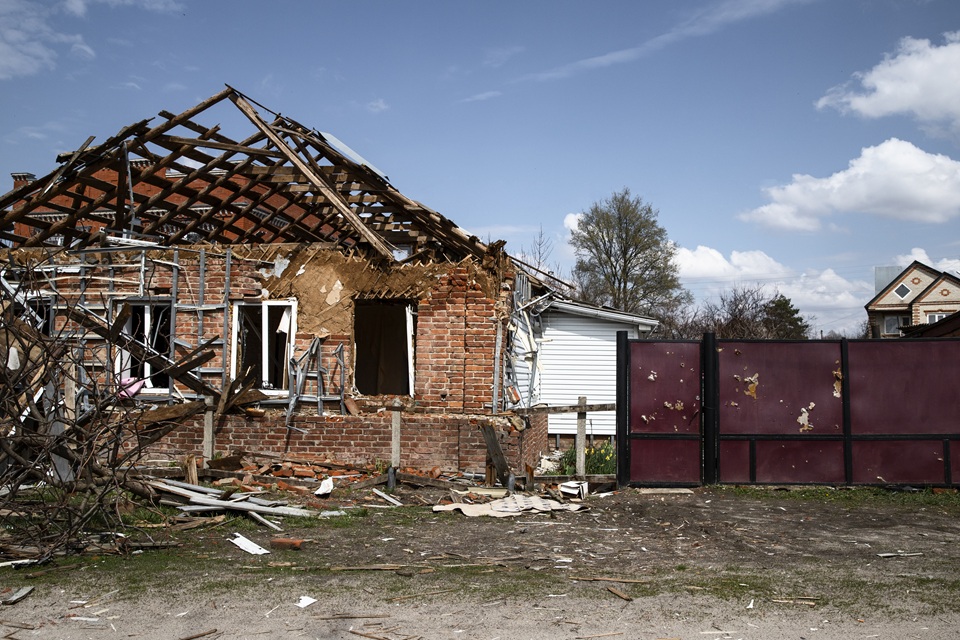
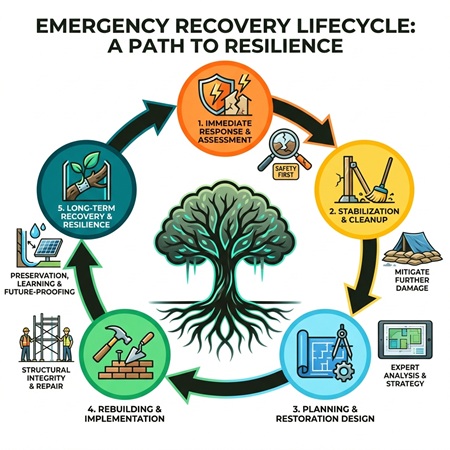
Effective emergency restoration and recovery are built upon several fundamental pillars. When faced with unforeseen property damage, whether from natural disasters, accidental fires, or structural failures, the initial response dictates much of the long-term success. Our primary objective is always to mitigate further damage, stabilize the affected area, and ensure structural integrity before any rebuilding can commence.
Mitigation involves taking immediate steps to prevent additional harm. This could mean securing damaged roofs to prevent water intrusion, boarding up broken windows, or shutting off utilities to avoid secondary incidents. Stabilization focuses on making the damaged structure or area safe for assessment and work. This might require temporary shoring, debris removal, or creating safe pathways. Ensuring structural integrity is paramount; an expert assessment determines the extent of damage to load-bearing elements and outlines the necessary repairs or replacements to make the property sound once more.
Risk assessment is a continuous process throughout the recovery phase. It identifies potential hazards to workers and the environment, ensuring that all actions are taken with safety in mind. For instance, in areas prone to flooding, assessing the risk of mold growth or contaminated water is crucial. In unique environments like Caddo Lake State Park, where visitors might utilize RVs for temporary shelter or recreational purposes, understanding the specific challenges of vehicle recovery after a localized event is vital. Whether it’s water damage, fallen trees, or other unforeseen incidents, reliable services are essential for efficient Caddo Lake RV recovery, ensuring that personal property is handled with expertise and care, allowing individuals to focus on broader community restoration.
Strategic Planning For Emergency Restoration & Recovery
A well-defined strategic plan is the backbone of any successful recovery operation. This plan begins with meticulous documentation. Every piece of damage, every repair, and every associated cost must be recorded with photographs, videos, and detailed written reports. This documentation is crucial not only for guiding the restoration process but also for navigating the complexities of insurance coordination.
Working closely with insurance providers from the outset can significantly streamline the financial aspects of recovery. Understanding policy coverages, filing claims promptly, and providing comprehensive evidence are key steps. Our experience shows that clear communication with insurers helps avoid delays and ensures that resources are allocated appropriately for restoration.
Safety protocols are non-negotiable. Recovery sites can be dangerous, with unstable structures, hazardous materials, and heavy machinery. Implementing strict safety guidelines, providing appropriate personal protective equipment (PPE), and conducting regular safety briefings protect everyone involved in the restoration effort. Beyond the immediate work area, site security is essential to prevent unauthorized access, deter theft, and protect ongoing repairs from vandalism or further damage. This comprehensive approach ensures that recovery is not only efficient but also safe and financially sound.
Environmental Impact & Emergency Restoration & Recovery
In environments as ecologically sensitive as Caddo Lake State Park, emergency restoration must explicitly address environmental impact. Our commitment extends beyond rebuilding structures to preserving the delicate balance of the natural ecosystem. This means prioritizing erosion control, especially in areas where soil has been disturbed. Techniques such as silt fencing, revegetation, and strategic placement of barriers help prevent soil runoff into waterways, protecting water quality and aquatic habitats.
Debris removal is another critical component. Post-damage sites often accumulate a wide array of materials, from construction waste to natural debris like fallen trees. Proper sorting, recycling, and disposal of these materials are essential to prevent contamination and minimize landfill impact. Habitat preservation is at the forefront of our environmental strategy. When damage occurs, we assess the impact on local flora and fauna, implementing measures to protect endangered species, restore damaged nesting sites, and replant native vegetation.
Maintaining water quality is paramount, particularly in a wetland ecosystem like Caddo Lake. Any recovery efforts must ensure that runoff from construction, chemical spills, or disturbed sediments do not compromise the lake’s health. By integrating these environmental considerations into every stage of emergency restoration, we ensure that our recovery efforts not only restore property but also safeguard the invaluable natural heritage of places like Caddo Lake State Park.
Historical Resilience: The CCC & Caddo Lake Infrastructure
Caddo Lake State Park stands as a testament to historical resilience, with much of its foundational infrastructure dating back to the Civilian Conservation Corps (CCC) era. Established in June 1933, the park’s development was a direct result of President Franklin D. Roosevelt’s New Deal program during the Great Depression. The CCC, a public work relief program, employed young men to carry out conservation projects throughout the United States. Their work at Caddo Lake State Park transformed the landscape, creating facilities that continue to serve visitors today.
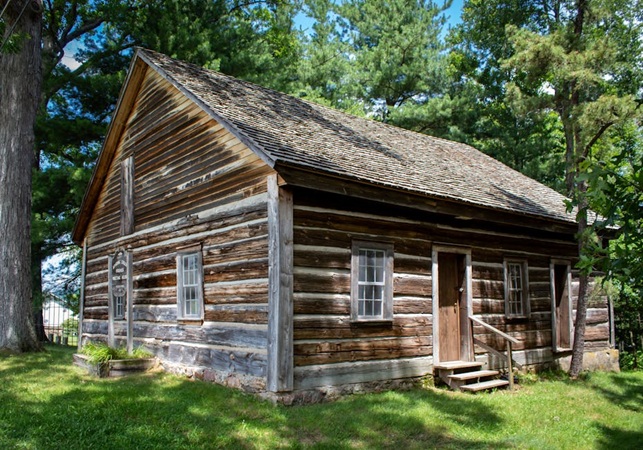
The CCC’s contribution was immense. They constructed many of the park’s iconic stone and timber structures, including cabins, park headquarters, and recreational facilities, all designed to blend seamlessly with the natural environment. These structures, built with local materials and skilled craftsmanship, reflect a timeless aesthetic and a deep understanding of sustainable design. The park, covering 484 acres (196 ha) on Big Cypress Bayou, was meticulously planned and developed by these young men, leaving a lasting legacy of robust and beautiful infrastructure. Even today, standing at an elevation of 237 ft (72 m), visitors can appreciate the enduring quality of their work. The CCC’s efforts not only provided employment during a critical economic period but also instilled a sense of purpose and built a priceless natural asset for future generations. Their legacy is a powerful reminder of how coordinated human effort can contribute to long-term recovery and preservation, even in times of national crisis.
Indigenous History & Early Exploration
The story of Caddo Lake extends far beyond the park’s establishment, rooted deeply in the history of its indigenous inhabitants. The lake and its surrounding lands were home to the Caddo tribe for centuries, a sophisticated agricultural society known for their complex social structures and elaborate mound building. Their presence shaped the landscape and its cultural narrative long before European arrival.
According to Caddo legend, the lake itself has a mystical origin. One popular tale attributes its formation to the Great Spirit, who, angered by a Caddo chief’s disobedience, caused a massive earthquake that sank the land and created the sprawling lake. This legend speaks to the profound connection the Caddo people had with their environment and their explanations for its natural wonders.
European exploration of the region began in the 16th century, with Spanish missions attempting to establish a foothold. Early explorers and missionaries encountered the Caddo, documenting their vibrant culture and extensive trade networks. These interactions marked the beginning of significant changes for the indigenous population, as European diseases and territorial ambitions began to reshape the region. The history of the Caddo people and their deep ties to the land provide a crucial context for understanding the enduring significance of Caddo Lake.
The 19th Century Transition
The 19th century brought dramatic geopolitical shifts to the Caddo Lake region, profoundly impacting its development and ownership. The Louisiana Purchase in 1803 transferred a vast territory, including parts of what would become Texas and Louisiana, from France to the United States. This monumental acquisition set the stage for American expansion westward and created new complexities regarding territorial boundaries.
For a period, the area around Caddo Lake became part of the “Neutral Ground,” an undefined and disputed strip of land between Spanish Texas and the newly acquired U.S. Louisiana Territory. This neutral zone, largely ungoverned, became a haven for outlaws and adventurers, adding to the mystique of the region.
The geological origin of Caddo Lake itself is subject to two prominent theories, both tied to significant 19th-century events. One theory posits that the lake was formed by the 1812 New Madrid earthquake, a series of powerful seismic events that caused the ground to sink, creating the basin that filled with water. This theory aligns with the Caddo legend of an earthquake-formed lake. The other widely accepted theory attributes the lake’s formation to the “Great Raft,” a massive natural log jam on the Red River. This colossal blockage, spanning over 100 miles, caused the river to back up, flooding low-lying areas and creating the extensive Caddo Lake system.
Theory Primary Cause Supporting Evidence/Narrative CEarthquake Theory Great Raft Theory Origin Caused by the 1812 New Madrid earthquake, which sank the land. Formed by a massive natural log jam (“Great Raft”) on the Red River that backed up water. Evidence Aligns with Caddo Indian legend of a lake formed by an earthquake. Historical accounts of the log jam and its impact on river flow. Impact Sudden geological event creating a large basin. Gradual water buildup over time, leading to extensive flooding. Location Primarily attributed to seismic activity in the region. Primarily attributed to a specific natural blockage in the Red River. The Adams-Onís Treaty of 1819 finally defined the border between the U.S. and Spanish territories, placing Caddo Lake squarely within U.S. jurisdiction. Later, Mexican Independence in 1821 and the Texas Revolution in 1835-36 further reshaped political control, eventually leading to Caddo Lake becoming a shared resource between Texas and Louisiana. These historical transitions underscore the dynamic nature of the region, where natural forces and human endeavors constantly intersected.
Ecological Restoration In The World’s Largest Cypress Forest
Caddo Lake State Park is a jewel of ecological significance, renowned for containing the largest naturally formed lake in Texas and, perhaps more strikingly, the largest cypress forest in the world. This unique ecosystem is dominated by towering bald cypress trees, many draped in ethereal Spanish moss, creating a landscape of unparalleled natural beauty and biological diversity. The park’s location on the Big Cypress Bayou, a winding waterway that feeds into the broader 26,000-acre lake system, makes it a prime example of a thriving wetland environment. The depth of the lake varies between eight and 20 feet, depending on rainfall, supporting a rich tapestry of life both above and below the waterline.
Ecological restoration in such an environment is a continuous and complex process, focusing on maintaining the delicate balance of this ancient forest. This involves managing water levels, protecting the cypress trees from disease and environmental stressors, and ensuring the health of the bayou system. The intricate network of sloughs and channels provides critical habitats, and any recovery efforts from natural or man-made damage must prioritize the minimal disruption and rapid restoration of these vital areas. The ongoing health of this forest is not just a local concern; it is a global ecological treasure that we are committed to preserving.
Wildlife Conservation & Habitat Recovery
Caddo Lake State Park is a sanctuary for an astonishing array of wildlife, making wildlife conservation and habitat recovery central to any comprehensive management plan. The lake’s murky waters and dense vegetation provide ideal conditions for a diverse aquatic and terrestrial ecosystem. Visitors often spot American alligators basking on logs or gliding silently through the water, a clear indicator of a healthy wetland. River cooters, various species of frogs, and numerous snakes also thrive in this environment, contributing to the food web.
Beyond the reptiles and amphibians, the park is home to a rich mammalian population, including raccoons, mink, coypu, beavers, squirrels, armadillos, and white-tailed deer. However, it is the birdlife that truly captivates many, with the park serving as a critical stopover and breeding ground for many species of migratory birds, alongside a vibrant community of common resident birds. The lake system boasts over 70 varieties of fish, supporting a robust fishing industry and providing food for many predators.
Recovery efforts following any environmental disturbance must focus on rapid habitat restoration. This includes replanting native vegetation, ensuring clean water sources, and protecting nesting and breeding grounds. Our goal is to minimize disruption to these populations and help them rebound quickly, maintaining the incredible biodiversity that makes Caddo Lake State Park so special.
Managing Invasive Threats
One of the ongoing challenges in ecological restoration and recovery at Caddo Lake State Park involves managing invasive threats. These non-native species can outcompete native flora and fauna, disrupt ecosystems, and even cause significant property damage. Our proactive approach includes rigorous quarantine protocols and public education to prevent the introduction and spread of harmful invaders.
A prime example is the emerald ash borer, an invasive insect that poses a severe threat to ash trees. To prevent its spread, the county where Caddo Lake State Park is located is under a quarantine, restricting the movement of firewood. Visitors are advised to buy firewood locally where they intend to burn it, a simple yet effective measure to protect the park’s trees and the wider ecosystem. This kind of vigilance is crucial for safeguarding the park’s natural assets.
Beyond insects, invasive plants like giant cane and certain water lilies, while sometimes appearing natural, can aggressively take over native habitats if not managed. Our restoration strategies include monitoring these species and implementing control measures when necessary, ensuring that native plants have the space and resources to thrive. This continuous battle against invasive threats is a vital part of our commitment to maintaining the ecological integrity of Caddo Lake State Park for generations to come.
Coordinating Long-Term Recovery & Maintenance
Coordinating long-term recovery and maintenance at Caddo Lake State Park is an ongoing commitment that extends far beyond immediate repairs. It involves strategic planning for facility upgrades, ensuring visitor safety, and preserving the historical and natural integrity of the park. With 46 campsites, ranging from water-only to full hookup sites, 10 historic cabins, and 6 screened shelters, the park requires continuous attention to infrastructure. The 2.5 miles of hiking trails also demand regular maintenance to prevent erosion and ensure accessibility. Our dedication to these tasks ensures that the park remains a welcoming and functional destination for all.
Facility upgrades are a regular part of our long-term plan. This includes modernizing utilities, improving accessibility features, and renovating historic structures while preserving their original character. The historic cabins, many built by the CCC, are particularly important. Their maintenance requires specialized knowledge to ensure they meet contemporary safety standards while retaining their historical charm. Regular inspections, preventative maintenance, and prompt repairs are all part of this comprehensive approach. For instance, ensuring the structural stability of boardwalks over wetlands or bridges along hiking paths is crucial for visitor safety and environmental protection.
Visitor Management & Economic Recovery
Visitor management plays a crucial role in the park’s long-term sustainability and economic recovery. In 2022, Caddo Lake State Park welcomed 76,643 visitors, a testament to its enduring appeal. Managing this volume of visitors requires careful planning to prevent overcrowding, minimize environmental impact, and ensure a positive experience for everyone.
The park’s peak season, typically from March through November, sees increased demand for campsites and cabins. Implementing reservation systems, managing day-use fees ($4 per person 13 and older), and providing clear guidelines for park etiquette are essential. The availability of a group hall for rent also supports gatherings and events, contributing to the park’s economic vitality. By carefully balancing visitor access with conservation needs, we ensure that the park can continue to generate revenue that supports its maintenance and operation, fostering a sustainable model for its future.
Regional Synergy & Nearby Attractions
The long-term recovery and success of Caddo Lake State Park are intrinsically linked to regional synergy and the appeal of nearby attractions. The park doesn’t exist in isolation; it’s part of a broader cultural and natural landscape that enhances the visitor experience and supports the local economy.
Just a short drive away, visitors can explore the Starr Family Home State Historic Site in Marshall, Texas, offering a glimpse into 19th-century East Texas life. Marshall is also notable for being the childhood home of Lady Bird Johnson, adding another layer of historical significance to the region. These cultural sites complement the natural beauty of Caddo Lake, providing a well-rounded itinerary for tourists.
Furthermore, the park is adjacent to the 8,500-acre Caddo Lake National Wildlife Refuge, offering additional opportunities for wildlife observation and environmental education. This proximity creates a larger protected area, benefiting migratory birds and other wildlife that move between the two sites. By collaborating with these regional partners, we amplify our conservation efforts and enhance the overall appeal of the Caddo Lake area, ensuring its continued prosperity and protection.
Frequently Asked Questions About Caddo Lake Recovery
Visitors often have questions about the unique aspects of Caddo Lake State Park, particularly concerning its origins and development. Here, we address some of the most common inquiries to provide a clearer understanding of this remarkable natural and historical site.
How was Caddo Lake naturally formed?The natural formation of Caddo Lake is a subject of fascinating geological and legendary debate. Two primary theories prevail, each with compelling arguments.
The first theory attributes the lake’s creation to geological events, specifically the powerful 1812 New Madrid earthquake. This series of seismic tremors, felt across much of the central United States, is believed by some geologists to have caused the ground in the Caddo Lake basin to subside, leading to the formation of the lake as water filled the sunken land. This scientific explanation resonates with the ancient Caddo legend, which speaks of the Great Spirit causing an earthquake to form the lake as a consequence of a chief’s disobedience.
The second widely accepted theory points to the “Great Raft,” a colossal natural log jam on the Red River. This enormous blockage, which persisted for decades in the 19th century, caused the river’s waters to back up for over 100 miles. This extensive flooding inundated low-lying areas, gradually creating the sprawling Caddo Lake system we see today. Regardless of which theory one subscribes to, or perhaps a combination of both, the lake’s origin story is deeply entwined with the powerful forces of nature and the rich oral traditions of its earliest inhabitants.
What role did the CCC play in the park’s development?The Civilian Conservation Corps (CCC) played an indispensable role in the development of Caddo Lake State Park, leaving an enduring legacy that continues to benefit visitors today. During the Great Depression of the 1930s, the CCC, a federal work relief program, employed thousands of young men in conservation and infrastructure projects across the nation.
At Caddo Lake, these “CCC boys” were responsible for constructing much of the park’s initial infrastructure. Their work included building the iconic stone and timber cabins, the park headquarters, and various other facilities that blend harmoniously with the natural environment. These structures, characterized by their rustic beauty and durable craftsmanship, are a testament to the CCC’s skill and dedication. Some of the park’s historic cabins were originally built as barracks for the workers themselves and were later converted for visitor lodging, providing a unique historical accommodation experience.
The CCC’s efforts were not just about construction; they also involved extensive landscaping, trail building, and resource management, transforming the 484-acre site into a functional and aesthetically pleasing state park. Their infrastructure legacy has been meticulously maintained and upgraded over the decades, ensuring that the park’s original vision of connecting people with nature endures.
When is the best time to visit for ecological observation?The best time to visit Caddo Lake State Park for ecological observation largely depends on what you wish to experience, as each season offers unique natural spectacles.
For vibrant fall colors, late October through mid-November is ideal. The bald cypress trees, maples, and other hardwoods transform into a stunning palette of reds, oranges, and golds, creating a breathtaking contrast against the green Spanish moss. This period also offers pleasant temperatures for hiking and paddling.
Spring, particularly from March through May, is excellent for bird migration. Many species pass through or nest in the park’s diverse habitats, making it a prime location for birdwatching. Wildflowers also begin to bloom, adding to the park’s beauty. Temperatures are generally mild during this time.
Summer (June-August) is the warmest period, with July average high temperatures around 88 degrees Fahrenheit. While it can be humid, the full canopy of the cypress forest provides shade, and the lake is perfect for paddling and fishing. However, visitors should be prepared for higher temperatures and potential humidity.
Winter (December-February), with January average low temperatures around 48 degrees Fahrenheit, offers a quieter experience. The first freeze typically occurs in mid-November, and the last in mid-March. While the trees may be dormant, the stark beauty of the cypress knees and the serene atmosphere can be captivating, and wildlife, including various waterfowl, can still be observed. Each season presents its own unique ecological wonders at Caddo Lake.
Conclusion
Caddo Lake State Park stands as a vibrant example of enduring resilience, a place where natural grandeur and human history converge. From the ancient Caddo legends to the monumental efforts of the Civilian Conservation Corps, its story is one of adaptation, preservation, and recovery. We have seen how fundamental principles of emergency restoration, strategic planning, and environmental stewardship are vital for safeguarding such irreplaceable treasures.
Our commitment to heritage preservation ensures that the historical structures and cultural narratives of Caddo Lake continue to inspire. Through sustainable tourism practices, we aim to balance visitor enjoyment with the delicate ecological needs of the world’s largest cypress forest. The ongoing efforts in wildlife conservation, habitat recovery, and managing invasive threats underscore our dedication to the park’s ecological health.
Looking to the future, we remain focused on continuous improvement, ensuring that Caddo Lake State Park remains a beacon of natural beauty and historical significance. It is a place that reminds us of the power of nature and the importance of coordinated action in overcoming challenges. By working together, we can ensure its legacy of resilience and wonder for generations to come, fostering a deep appreciation for our shared natural and cultural heritage.