Key Takeaways:
- Mobile apps are revolutionizing the electric vehicle (EV) charging experience by offering real-time data and remote control features.
- Despite increased usage, many EV apps face challenges with connectivity and reliability, highlighting the need for continuous improvement.
- Integration of Internet of Things (IoT) technology is enhancing the functionality and user experience of EV charging apps.
The Rise Of Mobile Apps In EV Charging
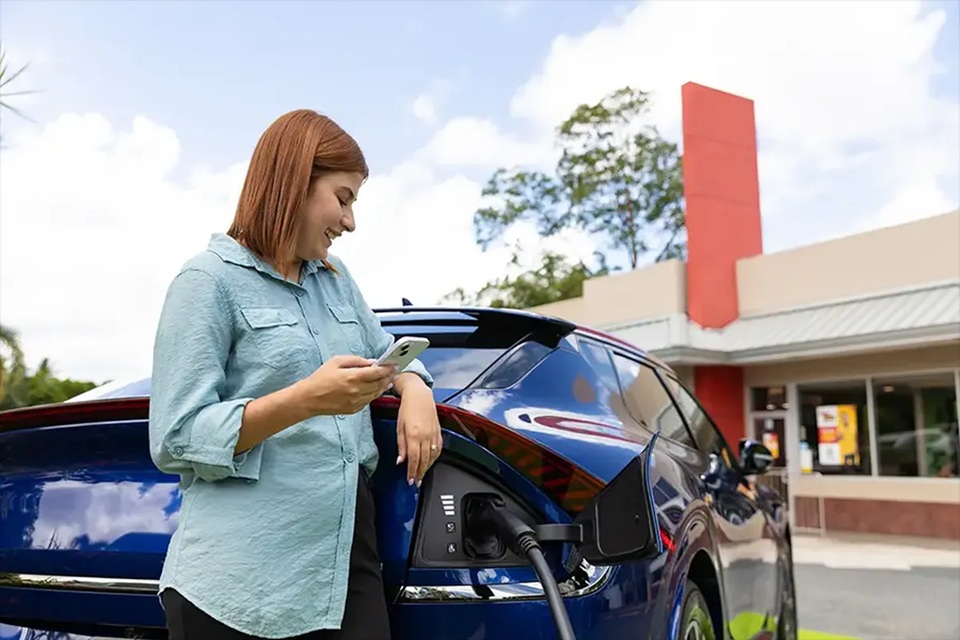
As electric vehicles become more widespread, drivers are seeking streamlined ways to manage their daily charging needs. Mobile applications have emerged as essential solutions, providing a wealth of features including charging station location, route planning, and charge status notifications. The integration of digital tools such as the EV Charging app is simplifying the charging process, making ownership more practical for drivers and encouraging further adoption.
These apps connect users to vast charging station networks, helping them avoid unnecessary detours or delays. Essential information like pricing, connector compatibility, and real-time station status is now at drivers’ fingertips, creating a user experience that prioritizes both convenience and efficiency. As EV adoption grows, these digital solutions are at the heart of transforming how people interact with the charging infrastructure.
Today’s drivers expect immediate access to charging and seamless payment options. Apps are supporting this shift by offering cashless transactions, digital receipts, and integration with navigation tools. As a result, the journey to widespread electric vehicle use is being built on the back of innovative digital connectivity.
The importance of these advancements is underscored by the role EV apps play in increasing the accessibility and visibility of charging networks. By minimizing guesswork and reducing search time, these tools help make electric vehicles a more feasible choice for everyday mobility.
Modern EV charging apps are equipping users with granular, real-time information that has a significant impact on trip planning and daily convenience. Users can now view current station occupancy, charging speeds, maintenance schedules, and even predictions about when a charger will become available. This access to accurate data is reducing range anxiety and allowing for smoother, more enjoyable road trips.
One of the most critical innovations is the ability to receive notifications about charging status, estimated completion times, or any interruptions during a session. These features help drivers avoid waiting around or experiencing unplanned delays. The transparency of real-time data ultimately leads to greater trust in public and private charging networks.
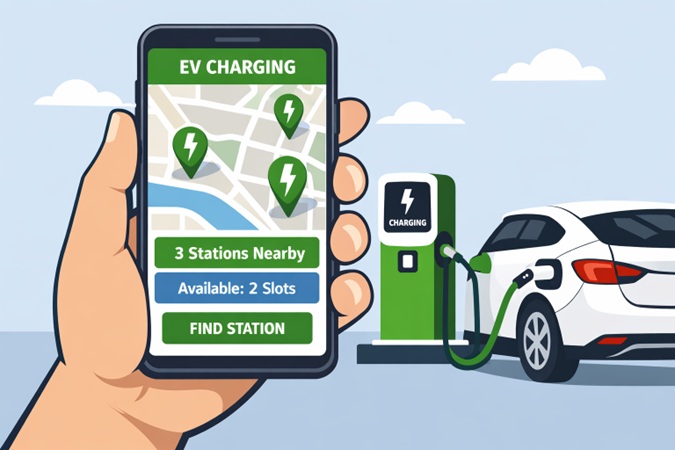
Another vital component is the integration with vehicle telematics. Some advanced apps can interpret the battery’s health and suggest optimized charging sessions, helping prolong battery life and maximize range. This data-driven approach brings an unprecedented level of engagement and reliability to the EV charging experience.
Remote Control Features: A Game Changer
The ability to remotely manage charging sessions has redefined convenience for EV owners. With just a few taps on their smartphones, drivers can start or stop a charging session, schedule future charging, or configure pre-conditioning settings to heat or cool their vehicle prior to departure. These capabilities are particularly beneficial during extreme weather, ensuring comfort and efficiency without any manual effort.
Features like remote session termination or power adjustment also offer cost savings by allowing users to take advantage of off-peak electricity rates or avoid peak tariffs. Additionally, these remote capabilities promote better energy management and grid optimization, supporting sustainability efforts at both the household and broader utility levels.
Remote management also enhances convenience for multi-user households or shared vehicles such as company fleets. These features eliminate the need for vehicle owners to be physically present at the charging location, streamlining operations for businesses and daily drivers alike.
Challenges In Connectivity & Reliability
Despite the rapid evolution of EV apps, connectivity and consistent reliability remain ongoing challenges. Disruptions in data transmission, app crashes, or delays in server response can compromise the user experience and deter potential adopters. According to the 2024 U.S. OEM EV App Report by JD Power, frequent technical issues have been reported even as usage grows, indicating the importance of robust infrastructure and continuous software updates.
The wide variance among different networks and hardware providers introduces further complexity. Inconsistent interfaces or a lack of universal standards can force users to juggle multiple apps or accounts, leading to frustration and inefficiency. Industry-wide solutions must address these disconnects to maintain the momentum of EV adoption.
Rigorous testing, responsive customer service, and strategic partnerships between app developers, automakers, and charging network operators are essential strategies for improving the reliability and consistency of EV charging apps.
The Role Of IoT In EV Charging Apps
The integration of Internet of Things (IoT) technology represents a significant leap in the evolution of EV charging apps. By enabling direct communication between vehicles, charging stations, and mobile platforms, IoT allows for features like predictive maintenance, remote diagnostics, and automated payment processing. These advances significantly reduce downtime and maintenance costs while improving safety and user satisfaction.
With IoT connectivity, fleet managers can monitor multiple vehicles and stations simultaneously, optimizing energy use across various locations. This interconnectedness helps balance supply and demand on the grid, facilitating a smarter and more sustainable energy ecosystem. For individual users, IoT-driven insights mean a more intuitive and less stressful charging experience.
Future Trends: Towards A Unified Charging Ecosystem
The future of EV charging lies in building a unified, user-friendly ecosystem that eliminates barriers to entry. The industry is witnessing a push towards standardized protocols and interoperability between networks, allowing users to rely on a single interface for all their charging needs. Efforts are underway to integrate multiple networks and streamline account management, further removing friction for EV adopters.
Initiatives in Europe and North America are actively promoting standards to simplify the charging process. By creating environments where drivers have universal access regardless of provider, the industry can accelerate the adoption of electric vehicles worldwide.
Conclusion
Mobile apps are fundamentally transforming the electric vehicle charging landscape. With their integration of real-time data, remote management features, and IoT technology, they deliver convenience and improved connectivity for EV drivers. As the EV market continues to grow, ongoing improvements in connectivity, reliability, and standardization will ensure that these apps meet the evolving expectations of users. Continued collaboration within the industry is key to building a streamlined charging ecosystem that supports a more sustainable, electrified future.