
Key Takeaways:
- Cash flow management remains a fundamental pillar of small business success.
- Evaluating multiple funding routes helps mitigate financial disruptions.
- Smart negotiation and adoption of digital tools can further strengthen cash flow.
Small business owners face ongoing pressure to ensure their operations run smoothly, yet maintaining consistent cash flow is often a significant challenge. Even when sales are strong, delayed payments and unforeseen expenses can quickly disrupt working capital. For business owners looking to boost liquidity, partnering with an alternative business lender can provide much-needed flexibility and fast funding solutions that traditional banks may not offer. Effectively addressing cash flow issues is crucial for staying competitive and achieving long-term stability in today’s shifting economy.
Whether you need a quick cash injection, a manageable repayment plan, or new strategies to improve collections, having a variety of funding options at your disposal is essential. Selecting the right sources of capital can make the difference between thriving and simply surviving. In this guide, you’ll learn not only about conventional lending but also about newer, technology-driven options shaping the financial landscape for small businesses.
Understanding these solutions will empower you to make better business decisions and keep your company on a solid financial footing. Diving into the specifics of each funding method, you’ll find actionable insights to help safeguard your cash flow, negotiate smarter terms, and streamline your financial processes.
Learning how to leverage diverse funding strategies, from credit lines to invoice factoring, lets you adapt rapidly to market changes and customer behaviors. Modern business owners must balance reliable sources of capital with strategic cash flow management to outperform competitors and seize growth opportunities. For additional insights about the factors influencing small business finance, visit Forbes.
The Importance Of Cash Flow Management
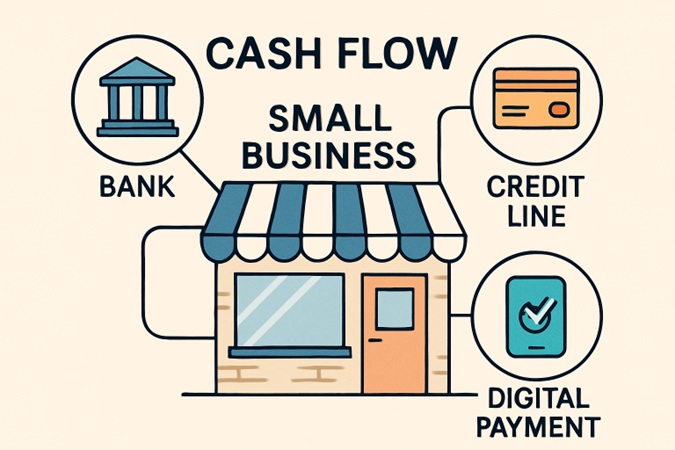
Cash flow is the lifeblood of any small business. Proper management enables consistent payroll, inventory purchases, and coverage of everyday operating costs. Recent studies show that over half of small businesses experience cash flow shortages at some point, placing them at risk of missed opportunities or even closure. Implementing proactive cash flow monitoring, regular forecasting, and analytical tools can help business owners spot potential shortfalls before they become critical.
Traditional Bank Loans
For decades, bank loans have served as the foundation for small business financing. These loans typically offer predictable terms, competitive interest rates, and a clear repayment schedule. However, qualifying for a traditional loan can be an uphill battle, especially for businesses with limited credit history, irregular cash flow, or insufficient collateral. The application process often includes completing in-depth paperwork, submitting tax returns, and presenting a robust business plan. To improve approval chances, it’s vital to maintain strong credit ratings and prepare detailed documentation demonstrating business viability.
Invoice Factoring
Invoice factoring enables businesses to access immediate working capital by selling accounts receivable at a discount. This method is ideal for companies that regularly bill clients on terms and struggle with slow payments. With factoring, the provider advances a portion of the invoice value upfront, improving cash flow without adding debt. However, business owners must carefully review agreements for hidden costs, and factoring can sometimes carry a stigma if clients perceive it as a sign of financial distress. Transparent communication with customers and partners helps alleviate such concerns. For more detailed information, read this resource from Forbes.
Lines Of Credit
A business line of credit offers flexible access to cash when you need it. Unlike a fixed loan, you only pay interest on what you draw, making it an extremely useful tool for managing seasonal fluctuations and unexpected expenses. Business owners often use lines of credit to bridge periods between customer payments, buy inventory, or handle emergencies. Many financial institutions offer both secured and unsecured lines, with terms varying based on credit scores and business history. Using the line responsibly can also help build a positive credit profile for future borrowing.
Alternative Financing Options
When traditional lending options are out of reach, alternative financing has become increasingly popular. Merchant cash advances, revenue-based financing, and crowdfunding platforms are all viable avenues. These solutions typically offer faster approval times, simpler qualification standards, and greater operational flexibility, making them attractive for newer or rapidly growing enterprises. However, fees and repayment structures can be more complex, so careful comparison and review of the fine print are paramount. Leveraging trusted alternatives enhances business agility in rapidly changing environments.
Negotiating Payment Terms
Restructuring payment terms with suppliers and customers is a smart yet underutilized way to relieve cash pressure. By negotiating longer payment terms with suppliers while incentivizing early or prompt payment from customers, businesses can improve their cash cycle. Open, honest communication and a history of reliability encourage flexibility and willingness among stakeholders. Establishing mutually beneficial arrangements not only secures smoother operations but also strengthens relationships across the supply chain.
Implementing Digital Payment Solutions
Digital transformation is revolutionizing how small businesses handle invoicing. Handy modern digital payment solutions help business owners automate billing, enhance tracking, and accelerate payment timelines. By integrating digital tools, companies reduce manual errors, increase visibility into receivables, and gain better control over cash inflows. Adopting such technologies is instrumental in optimizing finance functions and positioning a small business for favorable, sustainable growth.
Conclusion
Effectively managing cash flow demands a holistic approach. By tapping into a broad range of funding solutions, from conventional loans to alternative finance, small businesses can remain agile, resilient, and poised for future success. Balancing funding options with digital adoption and strategic negotiations empowers business owners to confidently tackle financial hurdles and secure long-term prosperity.