
Transferring generational wealth is about more than passing on money or assets. It is a multifaceted process that, if handled diligently, helps families preserve legacies, reinforce bonds, and empower future generations. Without a structured plan, families are vulnerable to losing wealth to taxes, legal complications, or internal disputes. Families considering investment services in Chicago or similar urban centers often face additional complexities due to changing laws and market dynamics.
Planning for generational wealth transfer requires early action, open communication, and strategic decision-making. Families must be proactive, revisiting their plans regularly as circumstances evolve. Guided by professional advice, each step of the process can minimize risks and maximize benefits for both immediate and future heirs.
In addition to financial strategy, families who openly discuss values and responsibilities with heirs can prevent misunderstandings and establish a sense of stewardship. Defining clear governance structures and investing in financial education further ensures heirs are prepared for the obligations and opportunities that come with inherited wealth.
Structuring the transfer of assets should always reflect the current legal environment, leverage tax efficiencies, and fortify asset protection. Utilizing tools such as trusts and life insurance, and aligning the transfer with family values, are all steps toward a resilient, lasting legacy.
Early Planning & Regular Review
Families that initiate wealth transfer discussions well before they become necessary have time to align on long-term visions and clarify expectations. Early planning allows families to identify and address potential issues before they become obstacles. Estate plans should be reviewed regularly, especially in response to changes in family circumstances, tax laws, or investment performance. By routinely updating documents and strategies, families reduce the risk of conflicts and ensure assets are directed according to their wishes.
Establishing Robust Governance
Effective governance structures help families navigate complex decisions and preserve relationships. Family constitutions, regular gatherings, and defined decision-making processes provide a framework for collaboration, particularly during generational transitions. Clear governance also empowers heirs to become intentional stewards of wealth rather than passive beneficiaries. Open, structured dialogue prevents misunderstandings and keeps the family focused on common goals.
Prioritizing Financial Education
Many inheritances are lost not through malice but through lack of knowledge and preparation. Families that invest in financial literacy programs, mentorship, and real-world experience equip heirs to manage, grow, and protect their assets. This education should include lessons in budgeting, investing, philanthropy, and the responsibilities that come with significant wealth. Begin early and provide consistent learning opportunities through family councils and third-party advisors to cultivate confidence and competence in next-generation leaders.
Leveraging Tax-Efficient Strategies
Taxes can significantly reduce the value of an estate if families do not plan accordingly. Professional advisors, including estate attorneys, tax specialists, and financial planners, can help implement structures such as trusts, family limited partnerships, and charitable foundations. These tools allow families to minimize estate, gift, and generation-skipping transfer taxes while maximizing the value passed to heirs. Strategic charitable giving can optimize tax breaks and foster a legacy of community impact.
Aligning Wealth Transfer With Family Values
When wealth is transferred with a purpose, it becomes a force for good that exceeds financial security. Incorporating philanthropy, impact investing, or incentive-based trusts helps align a family’s wealth with its mission and legacy. Making charitable donations a part of the wealth transfer not only provides tax benefits but also reinforces family values and a culture of giving. This strategy can inspire heirs to use their inherited resources to effect positive change and sustain the family legacy for generations to come.
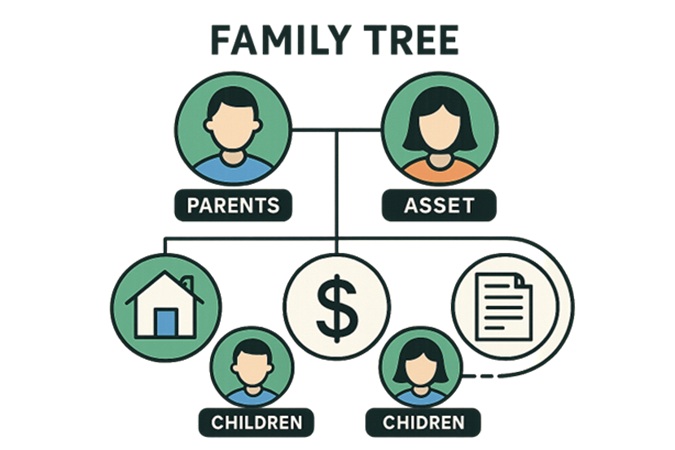
Utilizing Trusts For Asset Protection
Trusts are powerful tools for ensuring control, privacy, and protection of assets across generations. A revocable living trust allows families to manage assets during their lifetime and facilitates a seamless transfer upon death, avoiding costly probate. Irrevocable trusts, while less flexible, can shield assets from creditors and reduce estate taxes. Specialized trusts can also be designed for specific purposes, such as education, charitable contributions, or the preservation of family property. These structures provide both security and flexibility in managing generational wealth.
Incorporating Life Insurance
For families without significant liquid assets, life insurance offers a straightforward means to bolster generational wealth. Policies can create liquidity to fund estate taxes, support dependents, or maintain family businesses in the event of a sudden loss. Life insurance can be integrated into broader estate planning to ensure that heirs receive a tax-advantaged financial benefit, offering stability amid changing circumstances.
Open Family Discussions
Transparent discussions about finances ensure that all family members understand both the goals and logistics of wealth transfer. Regular meetings, facilitated by a trusted advisor if necessary, can help clarify roles, explain legal documents, and outline the steps of the transfer process. This openness fosters trust and helps prevent future conflicts, misunderstandings, or resentment. Families who prioritize communication generally report smoother transitions and more resilient relationships throughout the succession process.
Embracing these strategies allows families to preserve wealth, maintain unity, and ensure lasting contributions to their heirs and the broader community. Thoughtful planning, open communication, and ongoing education are the foundation for successful generational wealth transfer.