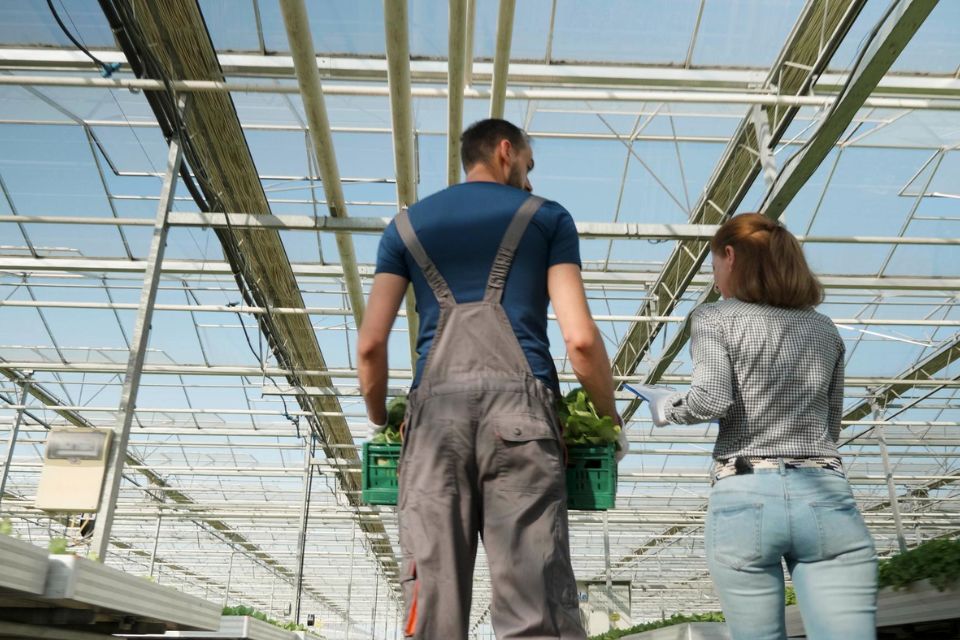
Green roofing is an innovative approach for businesses to enhance sustainability and curb urban heat islands. These vegetative roofs not only improve air quality but also increase the aesthetic appeal of any business premises. As environmental concerns and energy efficiency become increasingly pivotal, green roofs present an attractive proposition for forward-thinking business owners.
However, selecting the right system and navigating the complexities involved in installation requires careful deliberation. Below, we’ll explore some of the crucial factors that business owners need to consider before investing in an eco green roof installation.
Assessing Your Business Premises For Eco Green Roof Feasibility
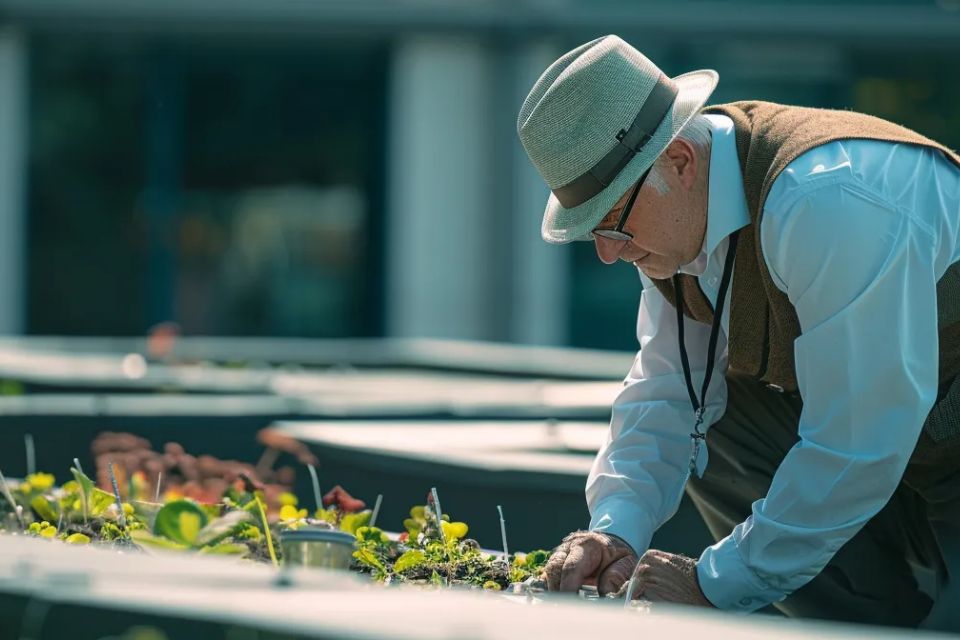
Before embarking on an eco green roof project, it’s essential to assess the structural integrity of your building. The roof must be able to support the additional weight of soil, plants, and retained water. An assessment by a structural engineer can determine if reinforcement is necessary.
Slope, drainage, exposure to sunlight, and wind patterns are additional factors that will impact the design and viability of your eco green roof. A site-specific analysis will help tailor the green roof system to the unique conditions of your premises, ensuring long-term sustainability and growth.
Engaging a green roofing consultant eco green roofcan provide actionable guidance. They can perform an in-depth site evaluation and present you with a feasibility report that lays out all necessary modifications and preparations needed for a successful installation.
Selecting Sustainable Materials For Green Roof Installation
Choosing the right materials is paramount for the sustainability and durability of an eco green roof. This involves selecting plants that are well-suited to your building’s climate zone and the specific microenvironment of the roof.
Sustainable, non-toxic, and recycled materials for the construction of the green roof layers—such as the waterproof membrane, root barrier, drainage layer, and growing medium—are equally important. These materials should be sourced responsibly to minimize the environmental footprint of your green roof.
Research suppliers who specialize in eco-friendly green roofing materials and consider their environmental certifications. Additionally, look for sustainable local plants that require minimal irrigation, reducing water use and further enhancing the eco-friendliness of your business premises.
Understanding Local Regulations & Eco-Friendly Certifications
Regulatory compliance is a critical aspect of green roofing projects. Many jurisdictions have specific building codes, zoning laws, and permit requirements for green roof installations. Familiarizing yourself with these regulations will ensure your project adheres to local standards and avoids any legal issues.
Additionally, certain regions offer incentives, rebates, or tax credits for eco green roof projects due to their environmental benefits. Leveraging these incentives can significantly reduce the installation costs and contribute to a quicker return on investment.
It’s also worth seeking out eco-friendly certifications for your building, like LEED or BREEAM, which can provide a competitive edge in the market. Work with local authorities or a specialized consultant to navigate the regulations, capitalize on incentives, and attain LEED certification that reflects your commitment to sustainability.
Estimating Cost & ROI For Eco Green Roof Projects
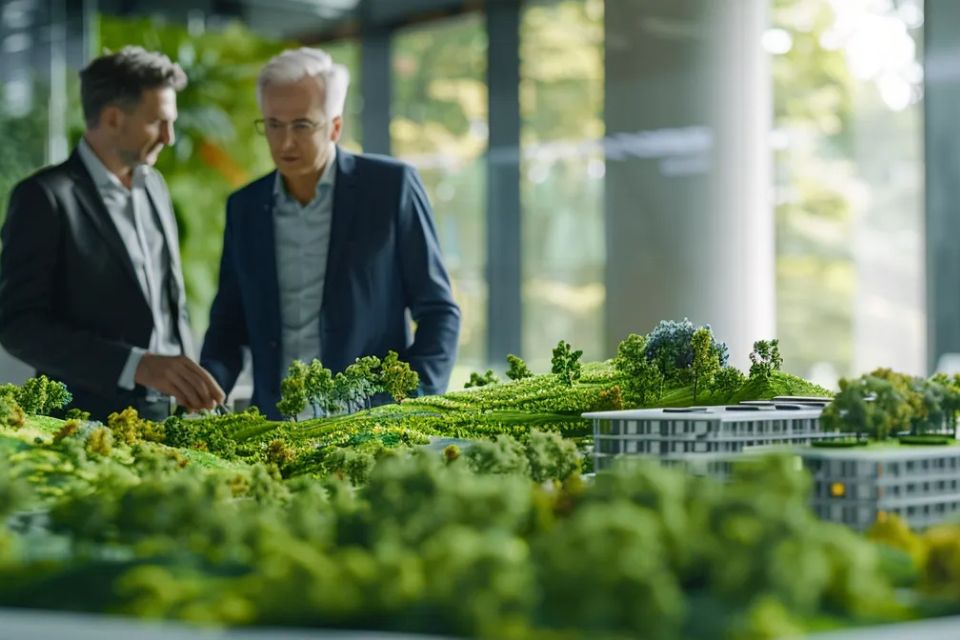
Installing an eco green roof requires an upfront investment that varies depending on factors such as the size of your roof, the materials used, and the complexity of the installation. Accurately estimating these costs is vital in planning your budget and forecasting the financial impact.
Despite the initial costs, the long-term benefits of green roofs can offset these expenses. Benefits include reduced heating and cooling costs, extended roof lifespan, improved property value, and potential revenue from a rooftop garden or amenity space. Detailing these financial advantages allows for a clearer understanding of the return on investment (ROI).
A detailed cost-benefit analysis factoring in energy savings, maintenance costs, and possible incentives will paint a realistic picture of the financial prospects. It’s prudent to compare different designs and materials to find the most cost-effective solution that doesn’t compromise on quality or environmental impact.
Overall, the journey to installing an eco green roof is one that requires an informed approach to structural assessment, sustainable material selection, regulatory compliance, and financial planning. By considering these aspects diligently, business owners can ensure their investment in green roofing brings both environmental and economic returns. With careful planning and execution, an eco green roof can become a hallmark of a business’s commitment to sustainability, and a stepping stone to a greener future.