Key Takeaways:
- Always check for injuries and move to a safe place if possible.
- Reporting the accident to emergency services ensures you have an official record.
- Exchange details with the other driver without making statements about fault.
- Document the incident thoroughly with photos, notes, and sketches.
- Medical evaluations are important, even for seemingly minor injuries.
Car accidents are unexpected and often disorienting events. Knowing how to respond in the moments that follow can dramatically affect not only the outcome of the incident but also your ability to recover physically, emotionally, and financially. Being prepared and taking the right actions can protect you and your loved ones in the aftermath of a crash. If you are ever uncertain about your next steps, board-certified accidental death lawyers can provide guidance and ensure your rights are fully protected throughout the process.
Whether you are involved in a minor fender-bender or a serious collision, understanding what to do after an accident is crucial. In addition to safety and documentation, knowing who to contact and what information to gather is key to minimizing stress and maximizing your ability to recover damages. As each accident is unique, taking a methodical approach will help you avoid costly mistakes and ensure a smooth claims process.
Having a systematic post-accident routine helps ensure that nothing is missed. While handling the required steps, it may also be wise to familiarize yourself with your state’s laws regarding auto accidents and insurance claims. For those facing significant injuries or complex damages, working with professionals skilled in aggressive personal injury claims can help secure fair compensation and navigate insurance challenges. In many cases, early legal guidance can also prevent mistakes that may weaken a claim later on. Staying organized with medical records, receipts, and communication logs can further support a stronger and more effective recovery process.
Ensure Safety First
Your priority after an accident should always be the safety of everyone involved. Begin by checking for injuries, starting with yourself and your passengers. If no one is seriously hurt and your vehicle can be safely moved, relocate it to the shoulder or another secure area away from traffic. Turn on your hazard lights to alert other drivers, and use cones or warning triangles if available. If the accident is minor, remain at the scene but keep a safe distance from moving vehicles until authorities arrive. Taking these steps not only helps prevent further harm but also ensures that any details relevant to Jalal Law personal injury claims are properly documented and supported from the outset. Gathering clear photos, exchanging accurate information, and noting key details about the incident can further strengthen your case. Being calm and methodical in these moments can make a meaningful difference in both safety and any potential legal process that follows.
Contact Emergency Services
Calling emergency services serves several critical purposes. A police report provides an official record of the incident, which is important when dealing with insurers or potential legal disputes. When you call, clearly report your location, describe the nature of the accident, and let the dispatcher know about any injuries. Do not speculate about what happened or accept fault at this point, as statements made under stress can be misinterpreted later.
Exchange Information
After ensuring safety and summoning help, gather the necessary contact and insurance information from the other parties. The essentials include:
- Full names and addresses
- Phone numbers
- Driver’s license information
- Vehicle registration numbers
- Insurance policy details
Maintain a calm demeanor and avoid discussing how the accident happened. Refrain from admitting fault, even offhandedly, as this may complicate future proceedings. If witnesses are present, politely ask for their contact details and, if they are comfortable, for a brief account of what they saw.
Document The Scene
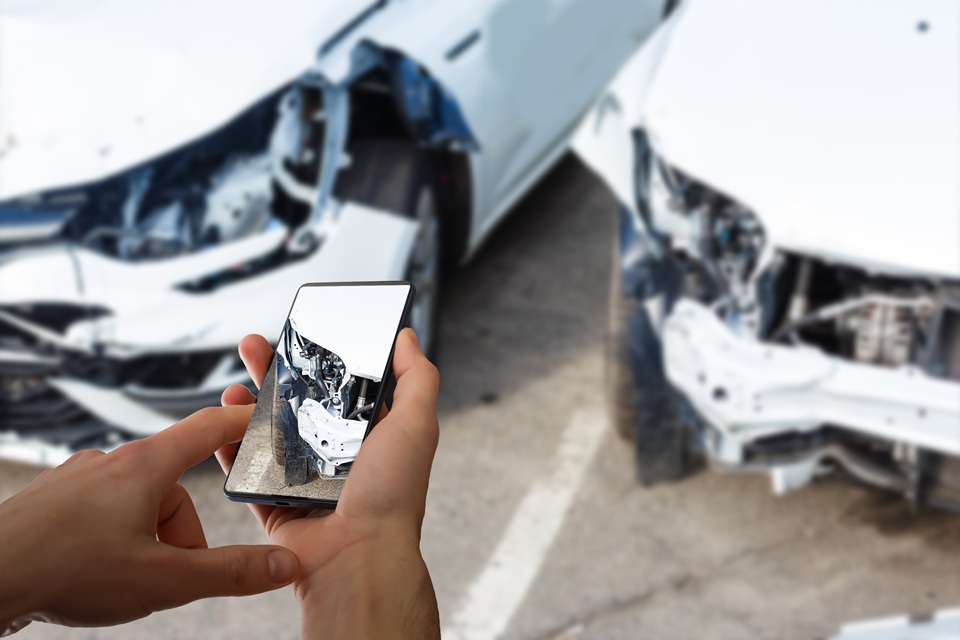
Accurate documentation can significantly influence your ability to make a successful insurance claim. Use your smartphone to take photographs from various angles, capturing damage to all vehicles, license plates, road signs, traffic signals, skid marks, and relevant weather or road conditions. Make written notes about the accident, including the time, precise location, and your recollection of events. These details can be instrumental when dealing with insurance adjusters and legal professionals. Consider referencing resources such as the National Highway Traffic Safety Administration’s Traffic Safety Facts to ensure you don’t miss key details.
Seek Medical Attention
Some injuries from car accidents, like whiplash or concussions, may not produce symptoms immediately. Even minor aches and pains can worsen in the hours or days after a crash. Always see a medical professional as soon as possible after the incident to be checked for hidden injuries. Medical documentation is essential for your health and can support your insurance or legal claim later. Be sure to keep track of all medical appointments and follow your doctor’s recommendations to increase your chances of a healthy recovery.
Notify Your Insurance Company
Prompt notification of your insurer is important. Provide them with all the collected information, share police reports when available, and accurately detail the sequence of events. Most providers require that you report the accident within a specified timeframe to guarantee coverage. Cooperate fully and follow up until your claim is resolved. Keeping comprehensive records throughout the claims process helps prevent delays and disputes. Always maintain your claim number and contact information for your insurance adjuster for easy reference throughout the process.
Consult A Legal Professional
If there are significant damages, serious injuries, or questions of liability, seeking guidance from a qualified legal professional can be invaluable. Legal experts can help you understand your rights, negotiate with insurance companies, and, if necessary, pursue legal action to ensure you are fairly compensated for your losses. Their experience is especially important if there is disagreement over the circumstances of the accident or if complications arise during the claims process.
Dealing With Emotional & Psychological Impact
Beyond the physical injuries and property damage, car accidents can have a profound psychological effect on those involved. Feelings of anxiety, trouble sleeping, recurring memories of the accident, or a general sense of unease while driving are common. It’s important to acknowledge these responses and seek support if needed. Many individuals benefit from counseling or talking to friends and family about their experiences. If symptoms persist or interfere with your daily life, consider seeking support from a mental health professional. You’re not alone, and resources are available to help you process the emotional aftermath and rebuild your confidence on the road.
Understanding The Claims Process
After you’ve reported the accident to your insurance provider, an adjuster will be assigned to investigate your claim. This process involves reviewing all the evidence you’ve gathered, inspecting vehicle damage, and collecting statements from everyone involved. The adjuster might also contact witnesses and review police reports. Transparency, honesty, and timely responses from you can expedite the process and help secure a favorable outcome. If you disagree with your insurance provider’s settlement offer, you may have the option to contest the decision or enter into mediation with third-party assistance.
Managing Repairs & Rentals
If your vehicle is damaged, your next step is to get a repair estimate from a certified mechanic or body shop. Some insurance carriers have preferred repair networks that may offer faster service or a repair guarantee. Be sure to clarify your options with your adjuster and keep all receipts and documentation for towing, repairs, and rental vehicles. Consider your rental car coverage, if included in your policy, so you’re not left without transportation while repairs are underway. Staying organized with expense tracking will support your reimbursement claim.
Long-Term Health & Financial Considerations
Recovery can extend beyond the initial aftermath of a car accident. Sometimes injuries or property damage reveal themselves over time, so it’s crucial to monitor your health, follow up on all recommended medical care, and keep careful records of medical bills and vehicle repair expenses. Financially, you may be eligible for additional benefits such as lost wages, ongoing therapy, and out-of-pocket costs resulting from the accident, depending on your insurance policy and the at-fault party’s coverage. Consider periodic follow-up with your claims adjuster to ensure continued compliance and to address any developing needs.
Stay Informed
An accident can be less daunting when you know how to navigate the aftermath. Keep an emergency kit in your car, familiarize yourself with your insurance policy, and occasionally review state-specific laws, which can affect procedures after a crash. Proactively gathering knowledge prepares you to respond with confidence, reduces risk, and increases the likelihood of a positive outcome should an accident occur. Share these safety routines with your family to help everyone stay vigilant and ready at all times, wherever you drive.
Taking a thorough, informed approach after an accident ensures you address immediate safety needs, protect your legal rights, and position yourself for the best possible outcome in recovery and claims resolution. Staying prepared also means periodically discussing accident procedures with your family or household members. Setting up regular reminders to review car insurance details can help you respond quickly in an emergency, as circumstances and policy details frequently change. Staying organized will help streamline the process.
What To Do In Multi-Vehicle Pileups
Accidents involving more than two vehicles pose unique challenges. In multi-vehicle collisions, it is especially important to document as much as you can. Try to capture the positioning of all vehicles involved and gather information from every driver, not just the one you initially collided with. The complexity of determining fault in a pileup often leads to extended insurance investigations, and consistent, clear documentation from your perspective can make a substantial difference. Witness statements can become more valuable when there are multiple perspectives; always request contact information from bystanders who witnessed the sequence of events.
Because responsibility in multi-vehicle accidents can be attributed to more than one driver, you may find yourself communicating with several insurance companies. It’s important to remain consistent in your reporting and to avoid assigning or accepting blame before the facts are established. In such situations, involving an experienced attorney early in the process can help you manage the communications and protect your interests as liability is determined.
What To Expect From The Insurance Investigation
Once you file your claim, the insurance companies for all parties involved will begin their investigations. They may send out accident reconstruction experts, especially for severe or complicated crashes, to analyze vehicle positioning, damage patterns, and road conditions. You may be asked to provide a recorded statement, but it is generally wise to consult with your own insurance representative or legal counsel before providing any recorded or written statements, particularly when injuries are involved or circumstances are unclear.
Understanding Comparative & Contributory Negligence
The legal concepts of comparative and contributory negligence can be critical in determining settlement outcomes, especially if more than one driver is partially at fault. In comparative negligence states, your compensation may be reduced by your percentage of fault. In contributory negligence states, even minor responsibility on your part can affect your ability to recover damages. Learning about your state laws in advance and seeking legal advice if there are any questions about fault will strengthen your ability to pursue a fair claim.
Understanding these rules is also essential for discussing your case with insurance adjusters and legal teams. If the accident occurred in a no-fault state, your own insurance may initially cover your medical costs regardless of fault, while disputes about property damage or liability are resolved separately.
Restoring Confidence After The Accident
For many individuals, returning to normal life after a car accident can be daunting, especially if you have developed anxiety or fear while driving. Defensive driving courses are an excellent resource, helping not only to rebuild confidence but also to refresh your knowledge of road safety. Support groups, available online or in person, allow you to connect with others who have experienced similar events. Sharing coping strategies and discussing emotional responses can help speed the journey to emotional recovery.
As you move forward, continue to take proactive steps to maintain your vehicle, review safety protocols, and keep your auto insurance up to date. The experience can also serve as a valuable reminder to check and replenish your emergency car kit so that you remain prepared for any scenario while on the road. By combining practical, legal, and emotional preparedness, you can transform a challenging experience into an opportunity for a stronger, safer future.