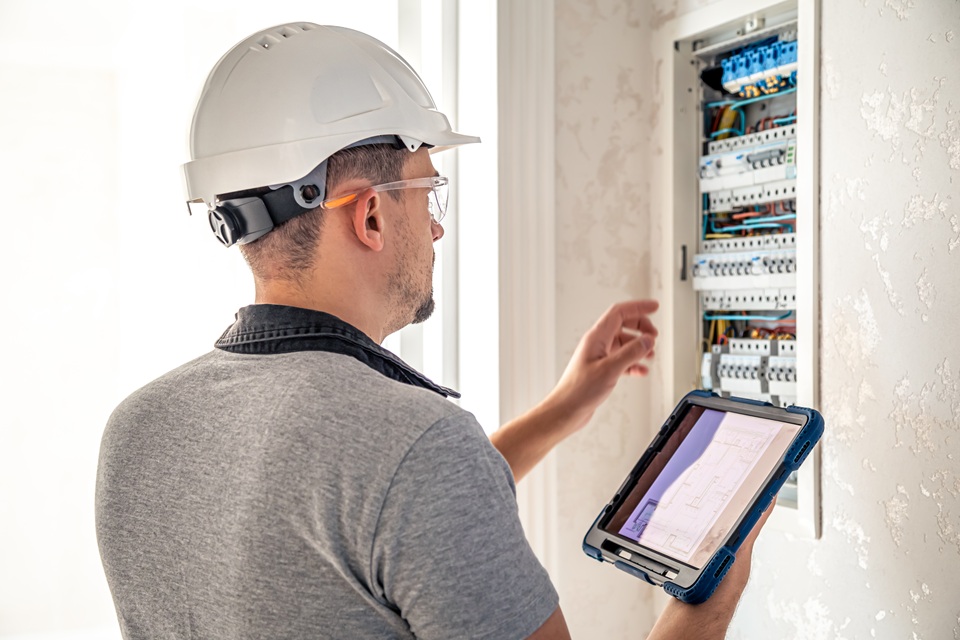
Ensuring your home’s electrical safety is no longer just about flipping a breaker or avoiding overloaded outlets. With advancements in household technology and growing energy needs, modern electrical safety practices are essential for protecting both your family and property. Homeowners in rapidly developing regions should understand how recent trends help meet current requirements. For instance, when considering electrical system upgrades or electrical installations in Metro Atlanta, residents need to observe best practices to stay ahead of safety risks. Being proactive with safety not only guards against everyday hazards but also future-proofs your home’s value and functionality. Technology such as smartphones and connected appliances raises the bar for what is considered safe electrical infrastructure. By taking into account new codes, advanced safety devices, and the importance of qualified professionals, homeowners can substantially reduce the risk of fire, electric shock, or appliance damage and save money on future repairs.
GFCI Installation In Wet Areas
It is vital to prioritize Ground Fault Circuit Interrupter (GFCI) outlets in rooms exposed to water, such as bathrooms, kitchens, laundry rooms, and outdoor areas. GFCIs instantly shut off power if an imbalance is detected, preventing dangerous shocks before they occur. The Electrical Safety Foundation International (ESFI) notes that GFCIs could prevent about 47 percent of home electrocutions annually, making their installation an industry standard and often a code requirement.
Rewiring Older Homes
Outdated wiring still found in many homes built before 1990 cannot safely support modern energy needs or appliances. According to the U.S. Census Bureau, more than 70 percent of U.S. single-family homes are over three decades old. Old wiring not only increases fire risk but may also fail to meet updated state and local codes. A thorough rewiring project enhances the safety and performance of a home’s electrical system, supporting smart tech and efficient appliances without risk.
Rewiring an older home typically includes replacing aged outlets, switches, and circuit breakers, and adopting modern wiring materials that offer far greater fire resistance. This process should also include a thorough assessment for any outdated or hazardous materials, such as knob-and-tube or aluminum wiring, which are commonly present in homes built before the 1970s. Ensuring modern, code-compliant wiring is installed lays a foundation for safe operation when using high-wattage appliances and advanced home automation systems. Homeowners considering major renovations or additions should use this opportunity to update wiring across affected spaces, further protecting against today’s risks.
Whole-Home Surge Protection
Sudden voltage spikes can irreparably damage expensive devices and create fire hazards. With the wide use of sensitive electronics, homeowners are increasingly investing in whole-home surge protection. These systems intercept excess electricity at the panel, safely dispersing it and shielding equipment throughout the home. Surge protectors are a low-cost, high-value way to keep items such as computers, refrigerators, and smart TVs operating reliably. Beyond the obvious risk from lightning, surges can arise from downed power lines, utility grid switching, or even large appliances cycling on and off within the home. Whole-home surge protectors, when installed by a professional, provide an essential defense that individual power strips cannot match. Including surge protection as part of your overall electrical safety plan helps ensure the longevity of your home electronics and appliances, supporting a safer, more resilient living environment.
Electrical Panel Upgrades
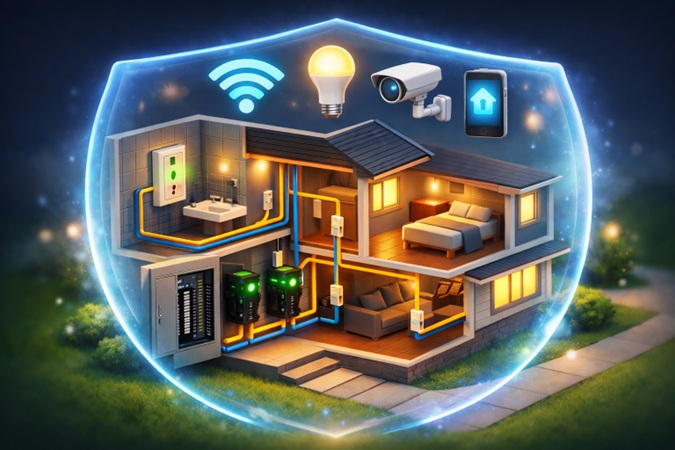
Older panels were never designed to run today’s bigger HVAC equipment, fast chargers for electric vehicles, or networks of connected appliances. Upgrading your electrical panel to 200 or 400 amps ensures stable, adequate power for your home’s growing demands. New panels also include more integrated safety features, such as arc-fault and ground-fault protection, reducing the risk of fires or accidental shocks from wiring faults. The need for panel upgrades often becomes clear during home expansions or when adding high-powered systems, such as generators, home theaters, or dedicated circuits for tools and hobby equipment. New breaker technologies also make it significantly easier to diagnose and resolve faults quickly, minimizing downtime and disruption. If your panel is frequently tripping or shows signs of rust or overheating, it is likely time for an expert evaluation to avoid potential hazards.
Regular Safety Inspections
Annual or biennial inspections by licensed electricians are among the best defenses against preventable accidents. Routine assessments identify common hazards such as deteriorating wires, ungrounded outlets, and overloaded circuits before they become emergencies. According to the National Fire Protection Association (NFPA), electrical failures remain a leading cause of U.S. home fires, with over 30,000 incidents per year. Scheduling inspections protects lives and investments and ensures that upgraded or expanded systems continue to work as intended. More guidance can be found on the Electrical Safety Foundation International’s resource page. During these inspections, professionals will check for signs of Arc Fault or Ground Fault issues, ensure panel labeling is up to date, and confirm that all connections are tight and free of corrosion. Having a detailed inspection record may also help with insurance claims or property sales, demonstrating your commitment to thorough maintenance and safety. Ultimately, regular assessments are a small investment that delivers enormous peace of mind and may catch problems before costly repairs or dangerous incidents occur.
Smart Home Integration
Connected devices make life more comfortable, but also put greater strain on a home’s circuitry. Smart thermostats, voice assistants, and security systems must be supported by properly rated wiring and breakers. Overloading older or undersized circuits can break smart systems and even start electrical fires. Before expanding with smart upgrades, consult professionals and update your system if needed to handle the extra load safely. This ensures that all devices work seamlessly without risk. Along with adequate wiring, many smart systems require backup power solutions, surge protection, and secure network access. Working with electricians experienced in smart home installations ensures your internet-connected devices remain functional during outages and are less vulnerable to power fluctuations. Smart integration means considering how your home’s infrastructure can interact robustly and safely with new technologies today and into the future.
DIY Installations
Do-it-yourself electrical projects have surged in popularity, but even simple mistakes can lead to severe electrical hazards or fail to meet code. Miswired outlets, improperly installed breakers, or overlooked grounding can all create hidden dangers. It is essential to hire a licensed electrician for significant changes or new installations. This ensures work is compliant with the latest codes and that your home’s safety is backed by professional expertise. Many homeowners enjoy small DIY projects, such as changing light switches or replacing fixtures, but major wiring or panel upgrades should always be left to a certified expert. Hiring an electrician helps avoid failed inspections or the need to redo work, both of which can cost more in the long run. If in doubt about the complexity or safety of an electrical project, consult with a licensed professional before getting started.
Conclusion
Adopting today’s electrical safety trends is more than just a recommendation. It is a crucial investment in your family’s protection and your property’s value. Upgrading to GFCIs, rewiring older properties, installing whole-home surge protection, updating main panels, scheduling regular inspections, and handling smart device integration correctly are all fundamental steps. Safeguard your home by staying informed and working with skilled professionals every step of the way. Prioritizing electrical safety future-proofs your home for changing technologies and energy needs while greatly minimizing common risks. Every homeowner can benefit from understanding these modern approaches, ensuring compliance, functionality, and peace of mind for years to come. For further details or to get started with a safety audit, reach out to licensed professionals who stay up to date on the latest code changes and best practices.