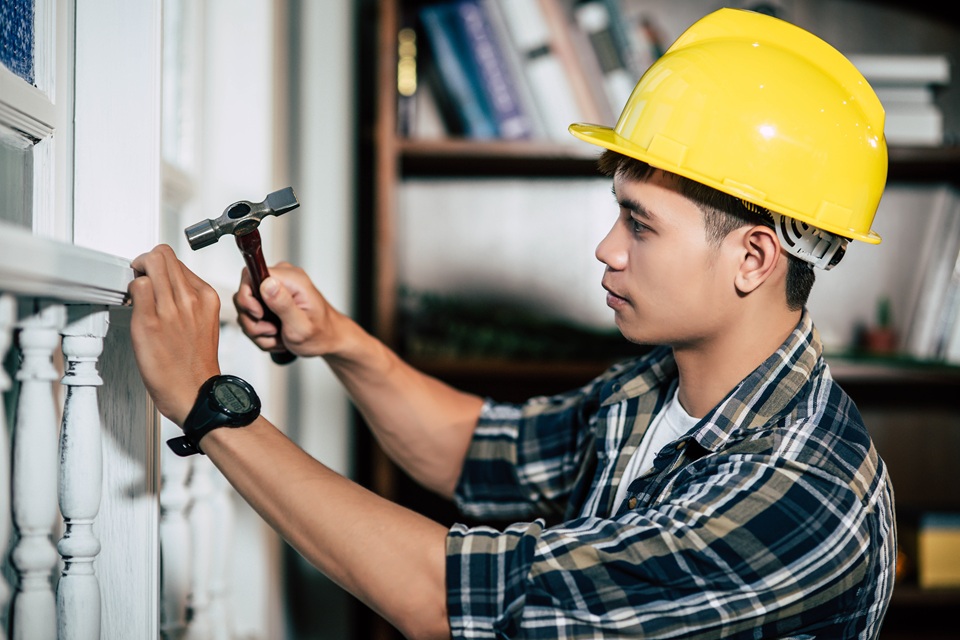
The Core Pillars Of Property Maintenance
Effective property maintenance hinges on a strategic blend of three core approaches: preventive, corrective, and emergency maintenance. Each plays a distinct yet interconnected role in ensuring a property’s longevity, safety, and operational efficiency. Understanding these distinctions is fundamental for any property owner or manager aiming for optimal asset management.
Preventive maintenance is proactive, involving routine, scheduled tasks designed to keep systems and components in good working order and prevent failures before they occur. This includes regular inspections, cleaning, lubrication, and minor adjustments. Its primary goal is to extend the lifespan of equipment, reduce the likelihood of unexpected breakdowns, and maintain safety compliance. Think of it as a regular health check-up for your property.
Corrective maintenance, also known as reactive or repair maintenance, addresses issues after they have occurred but before they become emergencies. This could involve fixing a leaky faucet, repairing a broken fence, or replacing a faulty light fixture. While not as urgent as emergency maintenance, it still responds to a problem that has already manifested.
Emergency maintenance is the most urgent and typically the most costly. It deals with critical failures that pose immediate safety risks, significant property damage, or render essential services inoperable. Examples include a burst pipe, a complete HVAC system failure during extreme weather, or a major electrical outage. Rapid response is paramount in these situations to mitigate further damage and restore functionality.
The importance of prioritizing preventive care cannot be overstated. Statistics show that preventive maintenance can dramatically reduce emergency repair costs by up to 70% compared to a purely reactive approach. This proactive strategy safeguards building longevity, ensures safety compliance, and significantly contributes to tenant satisfaction.
Here’s a quick comparison:
Feature Preventive Maintenance Reactive (Corrective/Emergency) Maintenance Timing Scheduled, proactive, before failure Unscheduled, reactive, after failure Goal Prevent failure, extend lifespan, optimize performance, ensure safety Restore functionality, fix immediate problems, mitigate damage Cost Generally lower, predictable, planned Often higher, unpredictable, can include premium for urgency and extensive damage Impact on Operations Minimal disruption, planned downtime Significant disruption, unplanned downtime, potential safety hazards Equipment Lifespan Extended Potentially shortened due to stress from breakdowns Tenant Satisfaction Higher due to fewer disruptions and well-maintained facilities Lower due to unexpected issues and inconvenience Implementing Preventive Property Maintenance
A robust preventive maintenance program is the cornerstone of effective property management. It involves a systematic approach to scheduled inspections, system diagnostics, and proactive upkeep. For instance, regular maintenance and timely HVAC repairs are crucial not only for tenant comfort but also for allowing property managers to charge higher rents and protect future resale value.
Implementing preventive maintenance means establishing routine checks for all critical building systems. This includes HVAC units, plumbing, electrical systems, roofing, and structural elements. Scheduled inspections can identify minor issues before they escalate into major, expensive problems. For example, regularly checking the coils and filters of an HVAC system can prevent breakdowns, improve efficiency, and extend the unit’s operational life.
Beyond mechanical systems, preventive maintenance also encompasses addressing environmental factors. In regions like Southern California, properties often contend with specific challenges such as hard water. The mineral content in hard water can lead to scale buildup in pipes and appliances, significantly reducing their efficiency and lifespan. Implementing specialized strategies for Hard water property maintenance Southern California is a critical preventive measure. This might involve water softening systems, regular descaling procedures, or using specific cleaning agents to counteract mineral accumulation, protecting plumbing infrastructure and water-dependent appliances.
System diagnostics, often performed with specialized tools, help assess the health of complex equipment, allowing for predictive maintenance. This means we can anticipate when a component might fail and replace it before it causes a larger system outage. This foresight minimizes downtime, reduces repair costs, and ensures continuous, reliable operation of essential services.
Handling Emergency Property Maintenance
While preventive measures aim to minimize emergencies, they cannot eliminate them entirely. When critical issues arise, a well-structured emergency maintenance plan is indispensable. This plan focuses on rapid response and efficient coordination to address urgent problems such as water damage, system failures, or security breaches.
A key component of emergency response is having a 24/7 coordination system in place. This ensures that maintenance teams or designated contractors can be dispatched immediately, regardless of the time of day. For multi-family properties, a quick response to emergencies like a burst pipe or a power outage can significantly reduce negative reviews and encourage lease renewals, as tenants feel supported and safe.
Water damage, in particular, requires immediate attention. Even a small leak can quickly lead to extensive structural damage, mold growth, and costly repairs if not addressed promptly. Having protocols for shutting off water mains, isolating the source of the leak, and initiating drying procedures can save property owners substantial amounts of money and prevent long-term health hazards. Similarly, a complete system failure, such as a heating system breaking down in winter or an air conditioning unit failing in summer, demands swift action to maintain habitable conditions and tenant comfort.
Effective emergency maintenance also involves clear communication channels, both internally within the maintenance team and externally with tenants and property owners. Keeping all parties informed about the issue, the steps being taken to resolve it, and estimated repair times helps manage expectations and reduces anxiety during stressful situations.
Essential Maintenance Tasks For Residential & Multi-Family Properties
Property maintenance encompasses a wide array of tasks crucial for the daily operation and long-term health of residential and multi-family properties. These tasks range from routine checks to specialized repairs, all contributing to the safety, comfort, and satisfaction of occupants. The most common maintenance requests in property management often revolve around plumbing and HVAC repairs, highlighting their critical role in building functionality.
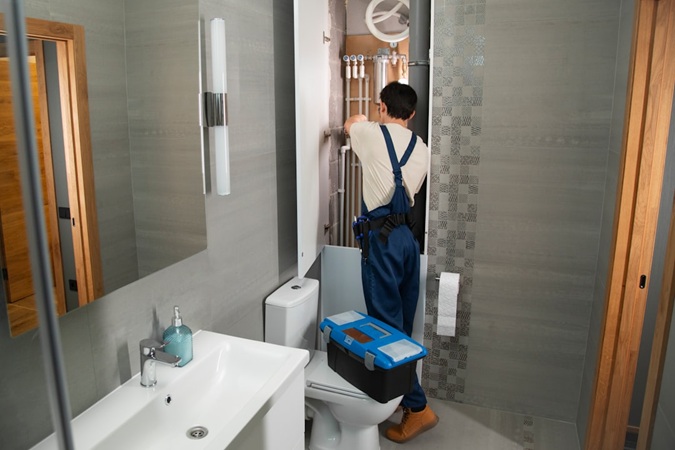
Water Heater & Plumbing Upkeep
Plumbing systems are the lifeblood of any property, providing essential water services. Regular maintenance of these systems, especially water heaters, is paramount. For instance, tankless water heaters, while efficient, require specific care. Regular flushing is necessary to remove mineral buildup, which can impede performance and shorten the unit’s life. Similarly, for traditional tank water heaters, sediment removal helps maintain efficiency and prevents corrosion. We recommend reviewing resources like Everything You Need to Know About Tankless Water Heater Maintenance and Water Heater Maintenance Tune-Up for detailed guidance.
Leak detection is another critical plumbing task. Even minor leaks can lead to significant water waste, increased utility bills, and potential structural damage or mold growth over time. Regular inspections for drips, damp spots, or unusual odors can help identify leaks early. Maintaining proper water pressure with functional pressure regulators also protects plumbing fixtures and appliances from excessive stress.
Beyond water heaters, drain cleaning is a frequent requirement. Hair, soap scum, grease, and other debris can accumulate in pipes, leading to slow drains or complete blockages. Regular drain maintenance, or prompt professional cleaning when issues arise, prevents backups and unpleasant odors.
For properties in earthquake-prone areas like Southern California, securing water heaters is a vital safety measure. Installing proper strapping and earthquake valves can prevent serious damage and gas leaks during seismic activity. We encourage property owners to consult guides like Secure Your Water Heater for Earthquakes in 4 Easy Steps for essential preparedness.
Exterior & Structural Care
The exterior of a property is its first line of defense against the elements and significantly impacts its curb appeal and value. Regular exterior maintenance includes tasks such as gutter clearing, which prevents water overflow that can damage roofs, foundations, and landscaping. Facade cleaning, whether it’s power washing or more specialized soft washing, removes dirt, grime, mold, and mildew, preserving the building’s aesthetic and structural integrity.
Roof inspections are crucial to identify damaged shingles, leaks, or debris accumulation that could compromise the roof’s protective capabilities. Landscaping maintenance, including lawn care, tree trimming, and irrigation system checks, not only enhances visual appeal but also prevents issues like overgrown roots damaging foundations or pathways.
For larger, multi-story buildings, specialized exterior maintenance becomes even more complex. High-rise property maintenance demands expertise in areas such as window cleaning, facade inspections, and structural repairs at elevated heights. This often requires specialized equipment, trained personnel, and strict safety protocols to ensure tasks are completed safely and effectively without disrupting occupants or public areas. Regular checks of exterior lighting, signage, and common areas like parking lots and walkways also fall under this category, ensuring safety and accessibility for all residents and visitors.
Navigating Local Regulations & Building Codes
Adhering to local regulations and building codes is not just a legal obligation; it’s a fundamental aspect of responsible property maintenance that ensures safety, habitability, and protects property value. These codes, often based on national or international standards, set minimum requirements for the design, construction, and maintenance of buildings.
One of the most widely adopted frameworks is the International Property Maintenance Code (IPMC), developed by the International Code Council (ICC). The IPMC provides comprehensive standards for the maintenance of existing residential and non-residential structures. It covers everything from structural integrity and sanitation to fire safety and the upkeep of mechanical, electrical, and plumbing systems. Local jurisdictions typically adopt the IPMC, sometimes with specific amendments to suit regional needs, making it a critical reference for property managers and owners.
Compliance inspections are regularly conducted by local code enforcement officers to ensure properties meet these established standards. These inspections can be routine, complaint-driven, or part of an annual review, such as the annual mobile home park inspections conducted each April in some areas. Understanding the specific version of the IPMC adopted by your local municipality (e.g., the 2021 IPMC) and any local ordinances is essential to avoid violations.
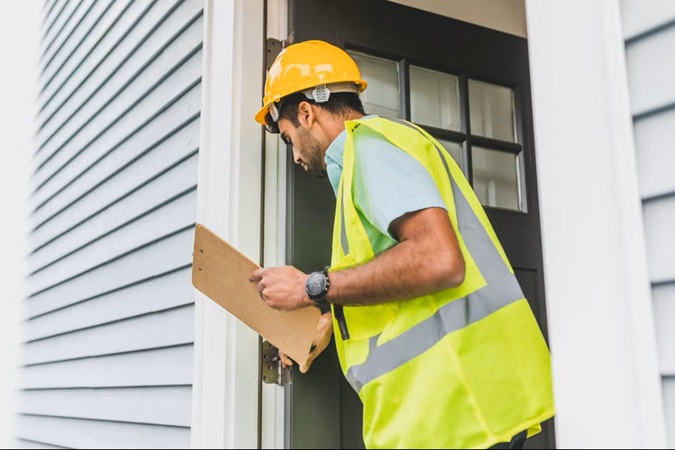
Code Enforcement & Violation Prevention
Code enforcement plays a vital role in upholding community standards and ensuring properties are safe and well-maintained. Property maintenance officers are tasked with inspecting properties for violations of adopted codes. These violations can range from minor aesthetic issues to serious health and safety hazards.
Common interior violations might include inadequate heating, non-functional plumbing fixtures, pest infestations, unsafe electrical wiring, or structural damage like sagging ceilings. Exterior standards often cover issues such as overgrown vegetation, accumulation of trash or debris, deteriorated paint, damaged fences, unsafe porches or stairs, and non-functional exterior lighting. In some areas, even annual junkyard inspections are conducted to prevent blight and ensure environmental safety.
Preventing violations starts with proactive maintenance and regular self-inspections. Property owners and managers should familiarize themselves with the specific requirements of their local codes. When a violation is identified, whether through a routine inspection or a tenant complaint, property managers must respond promptly to rectify the issue. Ignoring notices of violation can lead to fines, legal action, and even condemnation of the property in severe cases.
Reporting procedures for maintenance issues or code violations are typically available through local government channels. Residents can often report concerns via dedicated online portals, email addresses (e.g., property@siouxfalls.gov), or phone lines. Property managers, in turn, must have clear internal processes for receiving, prioritizing, and addressing these reports, ensuring that issues are resolved efficiently and in compliance with all relevant codes.
Frequently Asked Questions
Navigating the complexities of property maintenance often raises several common questions for owners and managers. Addressing these helps clarify roles, best practices, and the overall strategy for effective property care.
What is the difference between property management and property maintenance?
While often used interchangeably, property management and property maintenance are distinct yet interdependent functions. Property management is a broader role that encompasses the overall operation and oversight of a property. This includes financial aspects like rent collection and budgeting, administrative tasks like lease agreements and tenant screening, marketing vacant units, and handling tenant relations. Essentially, property managers are responsible for the business side of the property, ensuring it remains profitable and compliant with all legal obligations.
Property maintenance, on the other hand, focuses specifically on the physical upkeep of the property. This involves all tasks related to preserving the condition, functionality, and safety of the building and its grounds. It includes everything from routine cleaning and landscaping to preventive checks, corrective repairs (like fixing a leaky faucet), and emergency responses (such as a burst pipe). Property maintenance is a critical component of property management, as a well-maintained property directly impacts tenant satisfaction, property value, and operational efficiency. A property manager might oversee the maintenance budget and contractor selection, while maintenance officers or technicians execute the physical tasks.
How often should critical building systems be inspected?
The frequency of inspections for critical building systems depends on several factors, including the type of system, its age, manufacturer guidelines, local regulations, and the intensity of use. However, a general rule of thumb emphasizes regular, scheduled checks.
For most critical systems like HVAC units, boilers, and water heaters, annual inspections are typically recommended. This allows for thorough cleaning, component checks, and minor adjustments that can prevent major breakdowns. For example, annual inspections of HVAC systems ensure filters are clean, coils are clear, and all mechanical parts are functioning optimally, which extends equipment lifespan and maintains efficiency. In some cases, such as heavily used commercial HVAC systems, semi-annual or even quarterly checks might be necessary.
Plumbing systems should ideally undergo a comprehensive inspection annually to check for leaks, corrosion, and proper drainage. Electrical systems also benefit from periodic professional inspections, especially in older buildings, to ensure wiring is safe and up to code. Fire safety systems, including alarms, sprinklers, and extinguishers, often have specific regulatory requirements for monthly, quarterly, or annual testing and inspection, which must be strictly adhered to.
Beyond these, seasonal scheduling is also important. For instance, inspecting roofing and drainage systems before the rainy season, or checking heating systems before winter, can proactively address potential issues. Following manufacturer guidelines for specific equipment is always the best practice, as these recommendations are tailored to the design and expected performance of the unit.
Why is preventive maintenance preferred over reactive repairs?
Preventive maintenance is overwhelmingly preferred over reactive repairs for a multitude of compelling reasons that impact both the financial health and operational efficiency of a property.
Firstly, cost reduction is a primary benefit. As highlighted earlier, preventive maintenance can reduce emergency repair costs by up to 70%. Reactive repairs, especially emergencies, are often significantly more expensive due to the urgency, potential for extensive damage, and premium rates for immediate service. Planned maintenance allows for competitive bidding, bulk purchasing of parts, and scheduling work during off-peak hours, all of which contribute to lower overall expenses.
Secondly, it extends equipment lifespan. Regular maintenance, such as cleaning, lubrication, and timely replacement of worn parts, keeps machinery and systems operating efficiently and reduces wear and tear. This means assets like HVAC units, water heaters, and elevators last longer, delaying the need for costly replacements.
Thirdly, preventive maintenance significantly improves safety. Proactive checks can identify and rectify potential hazards before they cause accidents, injuries, or property damage. This includes inspecting electrical systems for faults, ensuring fire safety equipment is functional, and maintaining structural integrity.
Finally, it leads to higher tenant satisfaction and retention. A property that is consistently well-maintained experiences fewer unexpected breakdowns and disruptions. Tenants appreciate prompt, proactive care, which fosters a sense of security and comfort. This positive experience translates into fewer complaints, better reviews, and increased lease renewals, ultimately contributing to a stable and profitable property. In contrast, reactive maintenance often leads to inconvenience, discomfort, and frustration for tenants, potentially driving them to seek other accommodations.
Conclusion
Effective property maintenance is far more than a series of repairs; it is a strategic investment in the longevity, safety, and profitability of your assets. By embracing a comprehensive approach that prioritizes preventive care, efficiently handles corrective issues, and prepares for emergencies, property owners and managers can significantly enhance their property’s value and ensure tenant satisfaction.
We’ve explored the critical distinctions between preventive, corrective, and emergency maintenance, emphasizing how proactive planning can drastically reduce costs and extend the lifespan of vital building systems. From the intricate upkeep of water heaters and plumbing to the crucial exterior and structural care, every task contributes to a property’s overall health. Navigating local regulations, such as the International Property Maintenance Code, is not just a legal necessity but a framework for maintaining high standards of safety and habitability.
A well-executed property maintenance plan is a testament to responsible ownership. It ensures compliance, optimizes operational efficiency, and creates a comfortable, safe environment for all occupants. By investing in proactive maintenance, leveraging expert services, and staying informed about best practices, you are not just maintaining a property; you are securing a valuable asset for the long term.